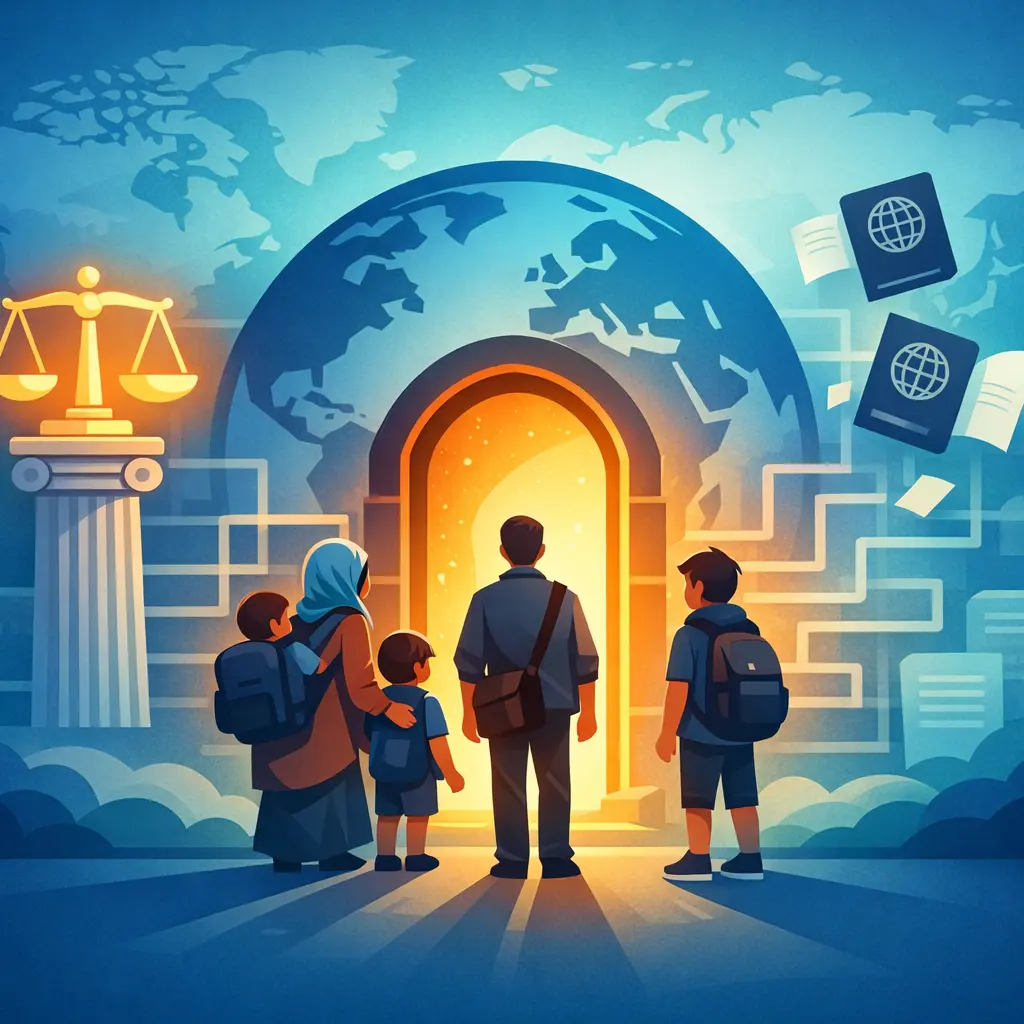
Courts, Trials & Juries are fundamental components of the legal system within law, government, and public service. Courts serve as venues where legal disputes are resolved and justice is administered. Trials are formal judicial proceedings where evidence is presented and legal arguments are made. Juries, composed of citizens, are responsible for impartially evaluating evidence and determining verdicts, ensuring fairness and community participation in the justice process.
Courts, Trials & Juries+50
Courts, Trials & Juries are fundamental components of the legal system within law, government, and public service. Courts serve as venues where legal disputes are resolved and justice is administered. Trials are formal judicial proceedings where evidence is presented and legal arguments are made. Juries, composed of citizens, are responsible for impartially evaluating evidence and determining verdicts, ensuring fairness and community participation in the justice process.
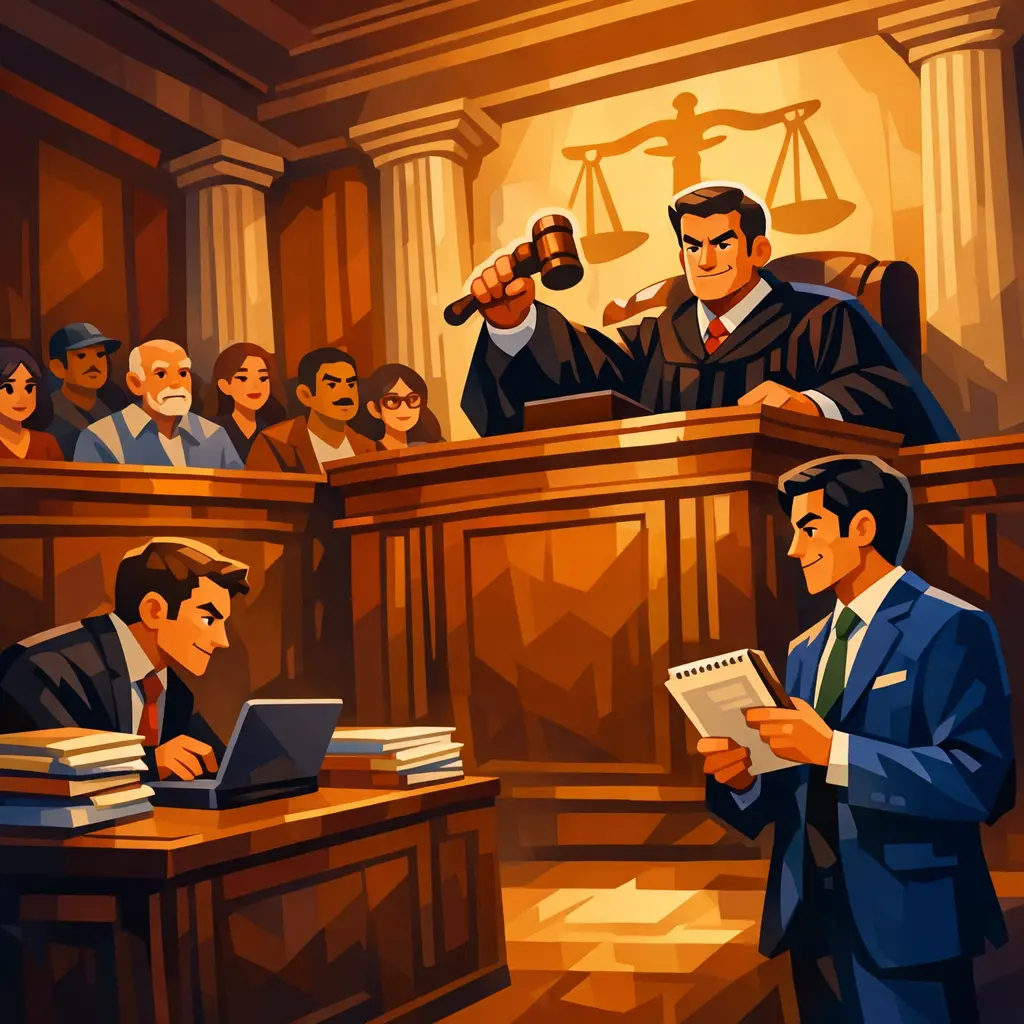
💡 Key Takeaways
- Understand the main roles in a trial (judge, jury, prosecutor, defense) and how they interact.
- Differentiate between criminal and civil trials and their standards of proof (beyond a reasonable doubt vs. preponderance of the evidence).
- Identify the typical stages of a trial (jury selection, opening statements, presenting evidence, cross-examination, closing arguments, verdict) and the jury's role.
- Know basic rights and protections for defendants, including the right to counsel and a fair trial.
❓ Frequently Asked Questions
What is the role of courts in the legal system?
Courts interpret and apply laws, settle disputes, and issue rulings in criminal and civil cases, while upholding due process.
What is a jury and how are jurors selected?
A jury is a group of citizens who decide the facts in a trial. Jurors are chosen through a selection process (voir dire) to assess impartiality and eligibility, typically from a pool of eligible citizens.
What is the difference between a criminal trial and a civil trial?
Criminal trials determine guilt or innocence and can result in punishment; civil trials determine liability or damages and generally do not involve criminal penalties.
What does 'burden of proof' mean and what standards are used?
The burden of proof is the obligation to prove the facts. In criminal cases, the standard is proof beyond a reasonable doubt; in civil cases, it is usually a preponderance of the evidence (more likely than not). Note that standards can vary by jurisdiction.