CPR (Cardiopulmonary Resuscitation) is an emergency procedure performed when someone’s breathing or heartbeat has stopped. It involves chest compressions and rescue breaths to maintain blood flow to vital organs. AED (Automated External Defibrillator) is a portable device that analyzes heart rhythm and delivers an electric shock if needed to restore a normal heartbeat. Together, CPR and AED use can significantly increase the chances of survival during sudden cardiac arrest.
CPR & AED Use
CPR (Cardiopulmonary Resuscitation) is an emergency procedure performed when someone’s breathing or heartbeat has stopped. It involves chest compressions and rescue breaths to maintain blood flow to vital organs. AED (Automated External Defibrillator) is a portable device that analyzes heart rhythm and delivers an electric shock if needed to restore a normal heartbeat. Together, CPR and AED use can significantly increase the chances of survival during sudden cardiac arrest.
💡 Key Takeaways
- Recognize when CPR is needed and understand that it helps maintain blood flow to the brain and vital organs until professional help arrives.
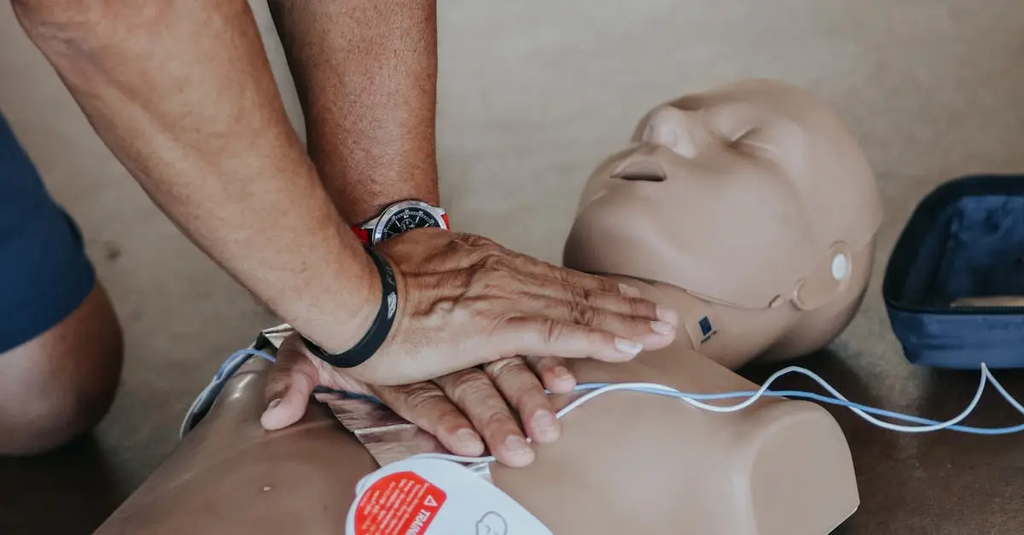
- Learn the basic adult CPR sequence: check responsiveness, call for help, and perform chest compressions at 100–120/min and about 2 inches (5 cm) deep.
- If trained, provide rescue breaths; if not, perform hands-only compressions to keep circulation going.
- Understand the AED's role: turn it on, attach pads, follow prompts, and stay clear while the device analyzes or delivers a shock.
- Maintain safety and continuity: minimize interruptions, switch rescuers if needed, and know when to stop and call for advanced care.
❓ Frequently Asked Questions
What is CPR and when is it performed?
CPR is an emergency procedure used when a person’s breathing or heartbeat has stopped. It combines chest compressions to keep blood flowing with rescue breaths to provide oxygen until help arrives or the heart can restart.
What are the main components of CPR?
The two main actions are chest compressions to pump blood and rescue breaths to deliver oxygen. When trained, perform a cycle of compressions and breaths at a steady rhythm.
What is an AED and what does it do?
An AED (Automated External Defibrillator) is a portable device that analyzes the heart’s rhythm and can deliver a shock to restore a normal rhythm if advised by the device's prompts.
How do you use an AED safely and effectively?
Turn on the device, attach the pads to the person’s bare chest as shown, ensure no one touches the person, follow the prompts, and deliver a shock if advised. Afterward, resume CPR immediately.
Can bystanders perform CPR, and is hands-only CPR acceptable?
Yes. Bystanders can perform CPR. If you’re trained, use a combination of chest compressions and rescue breaths. If you’re untrained or uncomfortable with breaths, perform hands-only chest compressions and use an AED as soon as available.