Creative industries encompass sectors such as publishing, music, film, and art, where original content is produced. Authorship refers to the identification of the creator or originator of a work. Attribution ensures that creators receive proper credit for their contributions. Royalties are payments made to authors or artists whenever their work is used, sold, or reproduced, providing ongoing financial compensation and incentivizing continued creativity and innovation within these industries.
Creative industries: authorship, attribution, and royalties
Creative industries encompass sectors such as publishing, music, film, and art, where original content is produced. Authorship refers to the identification of the creator or originator of a work. Attribution ensures that creators receive proper credit for their contributions. Royalties are payments made to authors or artists whenever their work is used, sold, or reproduced, providing ongoing financial compensation and incentivizing continued creativity and innovation within these industries.
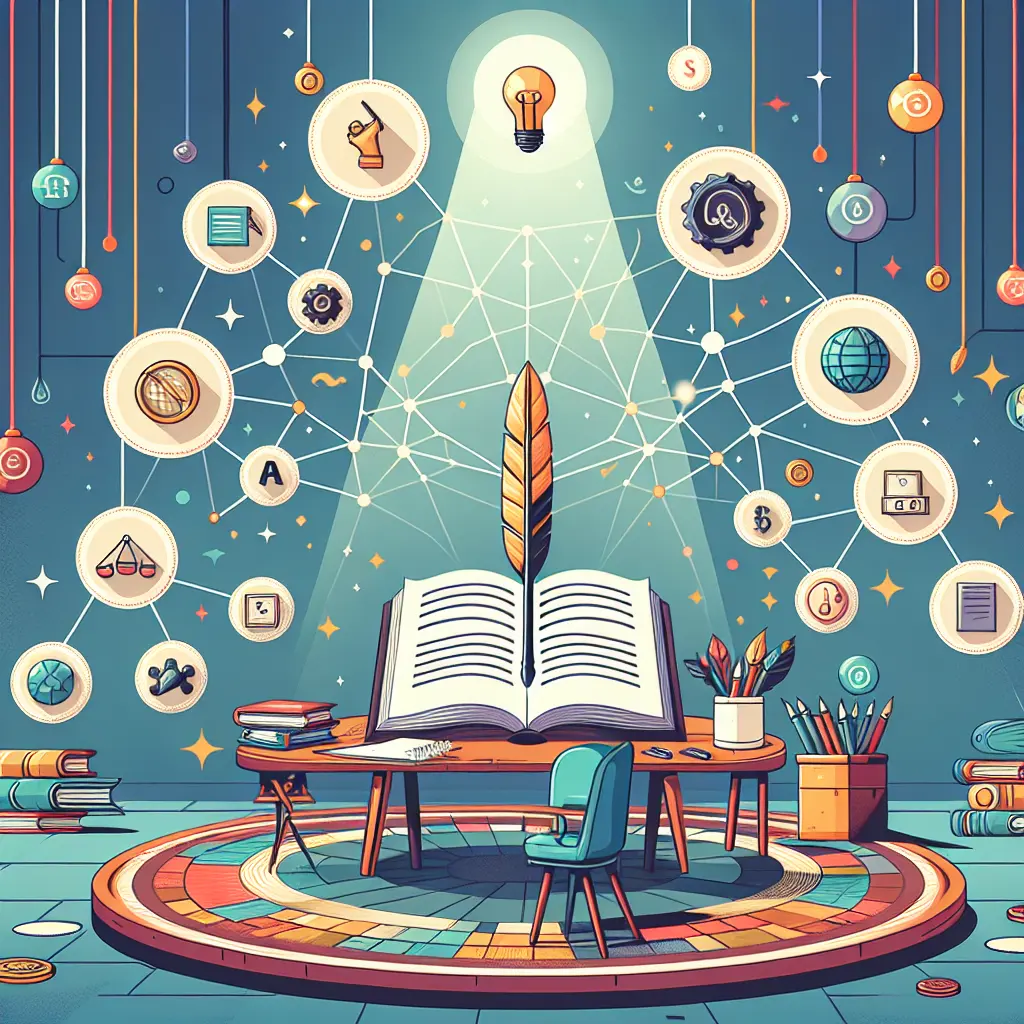
💡 Key Takeaways
- Explain how AI affects authorship and the origin of a work in creative industries.
- Understand attribution: giving proper credit for AI-assisted contributions.
- Assess royalties and compensation when AI tools help create works.
- Identify ethical and legal risks for misattribution, copyright, and licensing in AI-generated content.
- Explore governance, transparency, and fair payment mechanisms for AI-enabled creativity.
❓ Frequently Asked Questions
What is authorship in creative works?
Authorship is the identification of the creator or originator of a work, who holds copyright and public recognition.
What is attribution and why is it important?
Attribution is giving proper credit to contributors for their work, which supports recognition and rights.
What are royalties and how do they work?
Royalties are ongoing payments to creators based on the use, sale, or licensing of a work, defined in licenses or contracts.
How can AI affect authorship and attribution in creative industries?
AI can generate or assist with content, raising questions about who created the work, who deserves credit, and who should receive royalties, with data provenance and licensing key considerations.
What ethical and societal risks does AI introduce in these areas?
Risks include misattribution, unauthorized use of training data, unequal compensation, and opaque decision processes; addressing them requires transparent licensing and fair attribution and royalty practices.