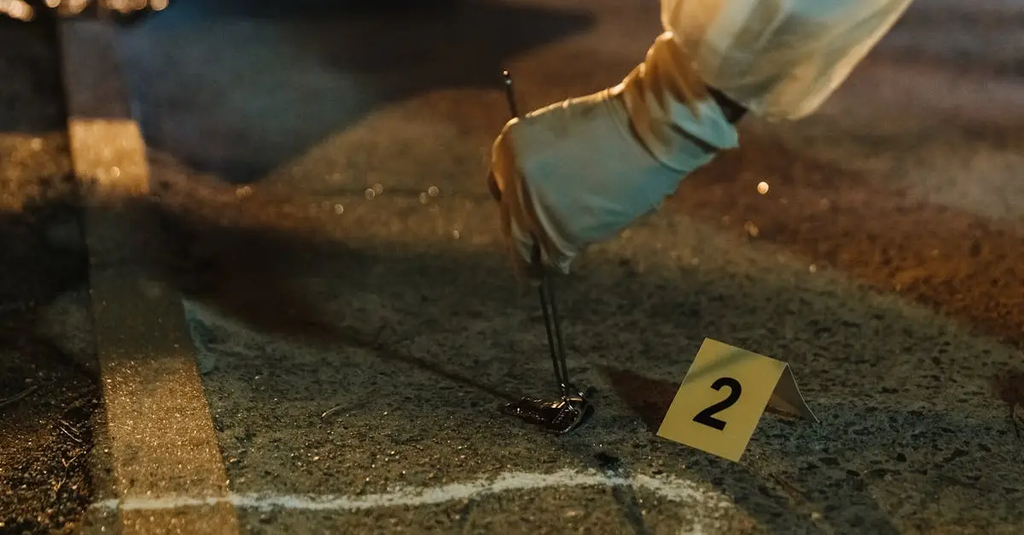
Criminal psychology basics involve the study of the thoughts, intentions, actions, and reactions of criminals and those who engage in criminal behavior. This field explores why individuals commit crimes, examining factors such as personality traits, social influences, mental health issues, and environmental conditions. Understanding these elements helps law enforcement and legal professionals develop profiles, predict criminal behavior, and create effective intervention and rehabilitation strategies.
Criminal Psychology Basics
Criminal psychology basics involve the study of the thoughts, intentions, actions, and reactions of criminals and those who engage in criminal behavior. This field explores why individuals commit crimes, examining factors such as personality traits, social influences, mental health issues, and environmental conditions. Understanding these elements helps law enforcement and legal professionals develop profiles, predict criminal behavior, and create effective intervention and rehabilitation strategies.

💡 Key Takeaways
- Grasp the basics of criminal psychology and what motivates crime
- Recognize how personality traits and mental health relate to criminal behavior
- Explore the role of social context and environment in offending
- Learn to analyze motives, actions, and reactions in true crime stories
❓ Frequently Asked Questions
What is criminal psychology?
Criminal psychology studies the thoughts, motives, and behaviors of criminals to understand why crimes occur and how people think before, during, and after offenses.
What factors influence criminal behavior?
A mix of personality traits, social influences (peers and culture), mental health issues, and environmental factors such as stress or neighborhood dynamics.
How is criminal psychology used in investigations or storytelling?
It helps explain motives, pattern of actions, and behavior, guiding interviews, case interpretation, and how events unfold in true crime narratives.
What’s the difference between criminal psychology and related fields?
Criminal psychology focuses on individual mental processes within crime; criminology looks at crime as a societal phenomenon, while forensic psychology applies psychology directly to legal contexts.