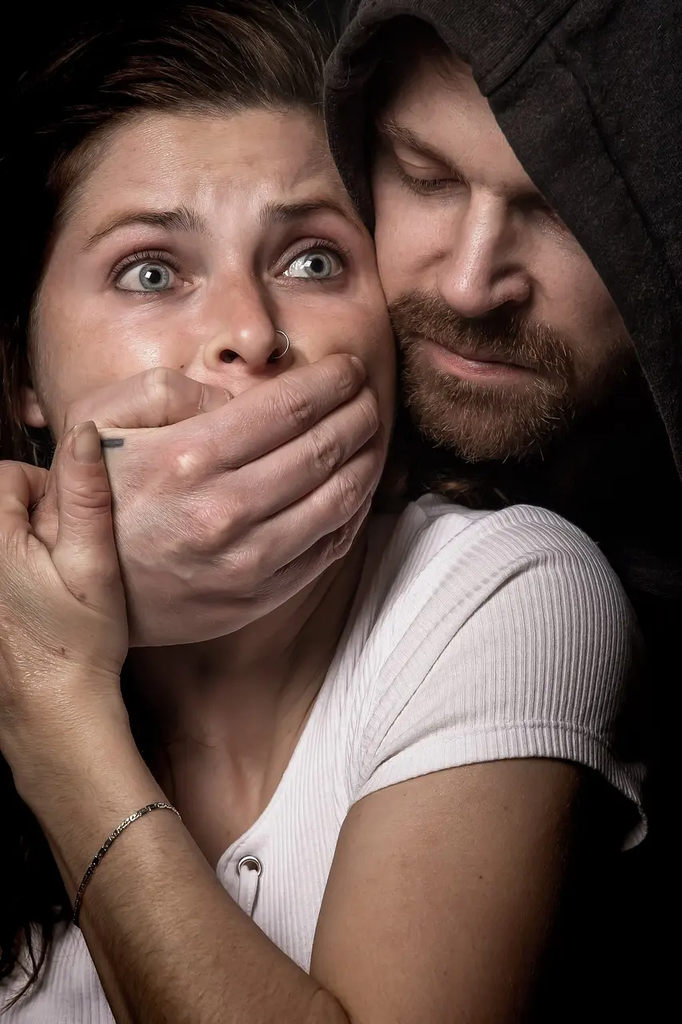
Criminal typologies distinguish offenders based on behavioral patterns and crime scene organization. Organized offenders are methodical, plan their crimes, and often display control over victims, leaving little evidence. They tend to be socially competent and intelligent. Disorganized offenders, conversely, act impulsively, leave chaotic crime scenes, and show little planning or control. They often have lower social skills and may leave significant evidence behind, making them easier to apprehend.
Criminal Typologies: Organized vs Disorganized Offenders
Criminal typologies distinguish offenders based on behavioral patterns and crime scene organization. Organized offenders are methodical, plan their crimes, and often display control over victims, leaving little evidence. They tend to be socially competent and intelligent. Disorganized offenders, conversely, act impulsively, leave chaotic crime scenes, and show little planning or control. They often have lower social skills and may leave significant evidence behind, making them easier to apprehend.

💡 Key Takeaways
- Compare organized vs disorganized offenders by planning level, scene organization, and victim control.
- Understand why organized offenders are methodical, socially competent, and leave less evidence.
- Recognize disorganized offenders through impulsivity and chaotic crime scenes, contrasting with organized patterns.
- See how offender typologies guide forensic investigations and storytelling in true crime.
❓ Frequently Asked Questions
What is the difference between organized and disorganized offenders?
Organized offenders are typically methodical, plan their crimes in advance, and exert control over victims, leaving little evidence. Disorganized offenders tend to be impulsive, with chaotic crime scenes and less planning.
What crime-scene clues suggest an organized offender?
Clues include careful planning, a controlled approach, evidence of surveillance or manipulation, a hidden or prepared weapon, and minimal forensic traces at the scene.
What crime-scene clues suggest a disorganized offender?
Clues include a chaotic or improvised scene, impulsive victim choice, scattered or abundant evidence, and little to no evidence of prior planning.
How can these typologies help in understanding crime stories or quizzes?
They provide a framework to identify patterns, infer likely behaviors, and differentiate suspect profiles in fiction or quiz questions, while noting real cases are more complex and not every offender fits neatly into one category.