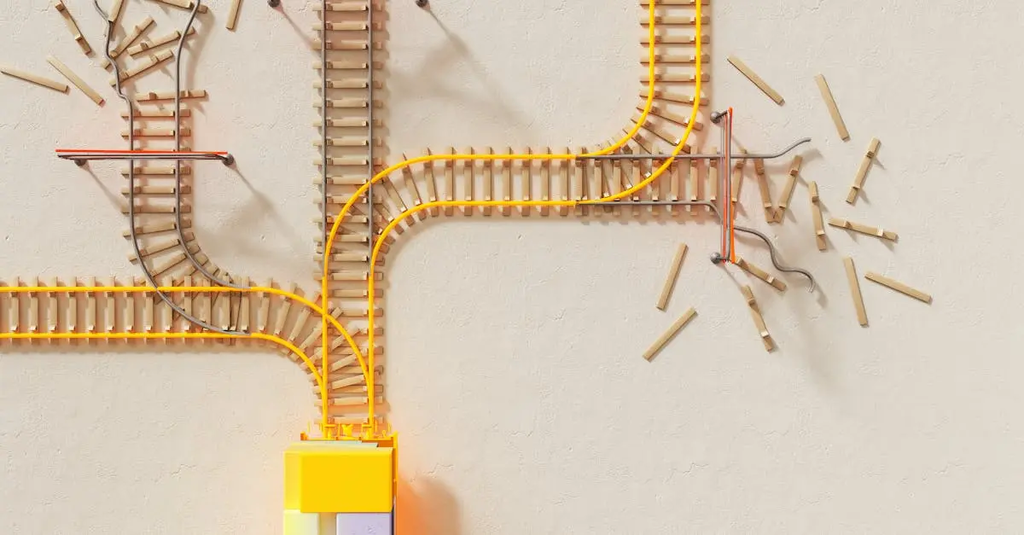
Crisis management refers to strategies and actions organizations use to respond to unexpected, disruptive events, aiming to minimize damage and restore normalcy. Model kill switches are mechanisms built into artificial intelligence or automated systems that allow operators to quickly shut down or disable the model in case of malfunction, misuse, or unforeseen negative consequences. Together, they ensure rapid, controlled responses to emergencies involving advanced technologies.
Crisis management and model kill switches
Crisis management refers to strategies and actions organizations use to respond to unexpected, disruptive events, aiming to minimize damage and restore normalcy. Model kill switches are mechanisms built into artificial intelligence or automated systems that allow operators to quickly shut down or disable the model in case of malfunction, misuse, or unforeseen negative consequences. Together, they ensure rapid, controlled responses to emergencies involving advanced technologies.
💡 Key Takeaways
- Define crisis management in AI: key phases (prepare, detect, respond, recover) and why it matters for safety and continuity.
- Explain what a model kill switch is and how it enables rapid shutdown or containment of an AI system during a crisis.
- Describe AI governance basics: risk assessment, escalation processes, and decision rights to guide crisis response.
- Outline best practices for implementing and testing kill switches: fail-safe design, redundancy, thorough logging, and regular drills.
❓ Frequently Asked Questions
What is crisis management in the context of AI and operations?
Crisis management involves the strategies and actions organizations use to respond to unexpected, disruptive events, aiming to minimize damage and restore normal operations quickly.
What is a model kill switch and why is it important?
A model kill switch is a mechanism that allows operators to quickly shut down or suspend an AI system to prevent harm during faults, misuse, or safety concerns.
How do AI governance and kill switches work together to improve safety?
AI governance establishes policies and controls for safe operation; kill switches are a concrete safety control within governance that enable rapid interruption of AI activity during crises or anomalies.
What should be included in an effective model kill switch?
Clear trigger criteria, reliable activation (manual and/or automatic), rapid shutdown with safe rollback, thorough logging/auditing, and procedures for post-incident review and restoration.