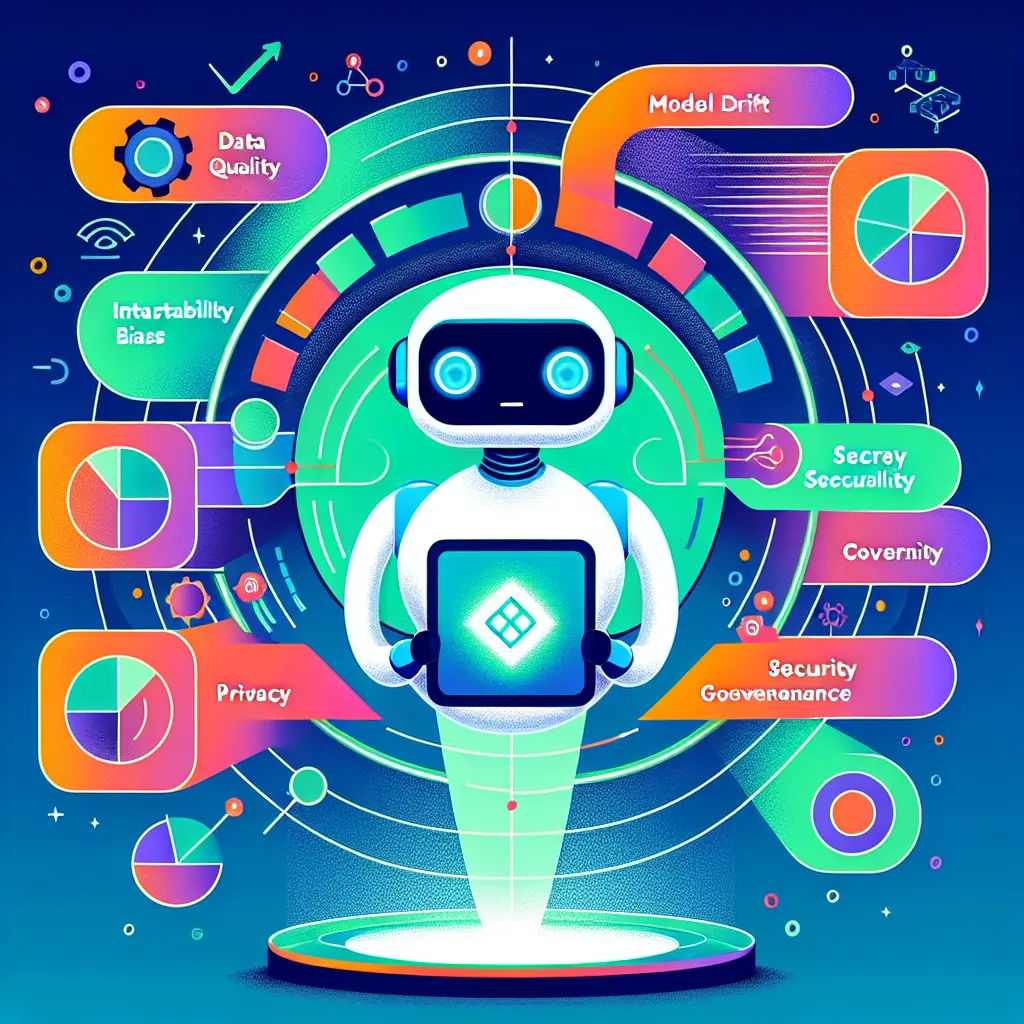
Crisis management for AI system failures involves swiftly identifying, assessing, and responding to unexpected malfunctions or errors in artificial intelligence systems. It includes establishing protocols for detection, communication, and containment to minimize harm, protect data integrity, and restore normal operations. Effective crisis management also encompasses transparent stakeholder communication, post-incident analysis, and implementing corrective measures to prevent recurrence, ensuring trust and reliability in AI-driven processes.
Crisis management for AI system failures
Crisis management for AI system failures involves swiftly identifying, assessing, and responding to unexpected malfunctions or errors in artificial intelligence systems. It includes establishing protocols for detection, communication, and containment to minimize harm, protect data integrity, and restore normal operations. Effective crisis management also encompasses transparent stakeholder communication, post-incident analysis, and implementing corrective measures to prevent recurrence, ensuring trust and reliability in AI-driven processes.
💡 Key Takeaways
- Detect and triage AI system failures quickly, distinguishing outages, errors, and unsafe behaviors.
- Follow a predefined incident response workflow: containment, mitigation, recovery, and safe rollback.
- Communicate with stakeholders and document actions to protect data integrity, privacy, and trust.
- Review and strengthen AI risk foundations after incidents: governance, risk assessment, and process improvements.
❓ Frequently Asked Questions
What is crisis management for AI system failures?
A structured, rapid process to detect, assess, contain, and recover from AI malfunctions to minimize harm and protect people, data, and operations.
What steps are involved in detecting and assessing AI failures?
Continuous monitoring, anomaly detection, and quick triage to gauge severity and potential impact on safety, privacy, and service quality.
How should organizations contain and mitigate AI failures?
Isolate affected components, switch to safe fallback modes, apply fixes, and preserve evidence for investigation.
What is the role of communication during an AI crisis?
Appoint an incident commander, communicate clearly with internal teams and external stakeholders, and provide timely, accurate updates while protecting sensitive data.
How can organizations learn from AI crises to improve risk management?
Conduct post-incident reviews, identify root causes, update playbooks, strengthen monitoring and governance, and train teams for future incidents.