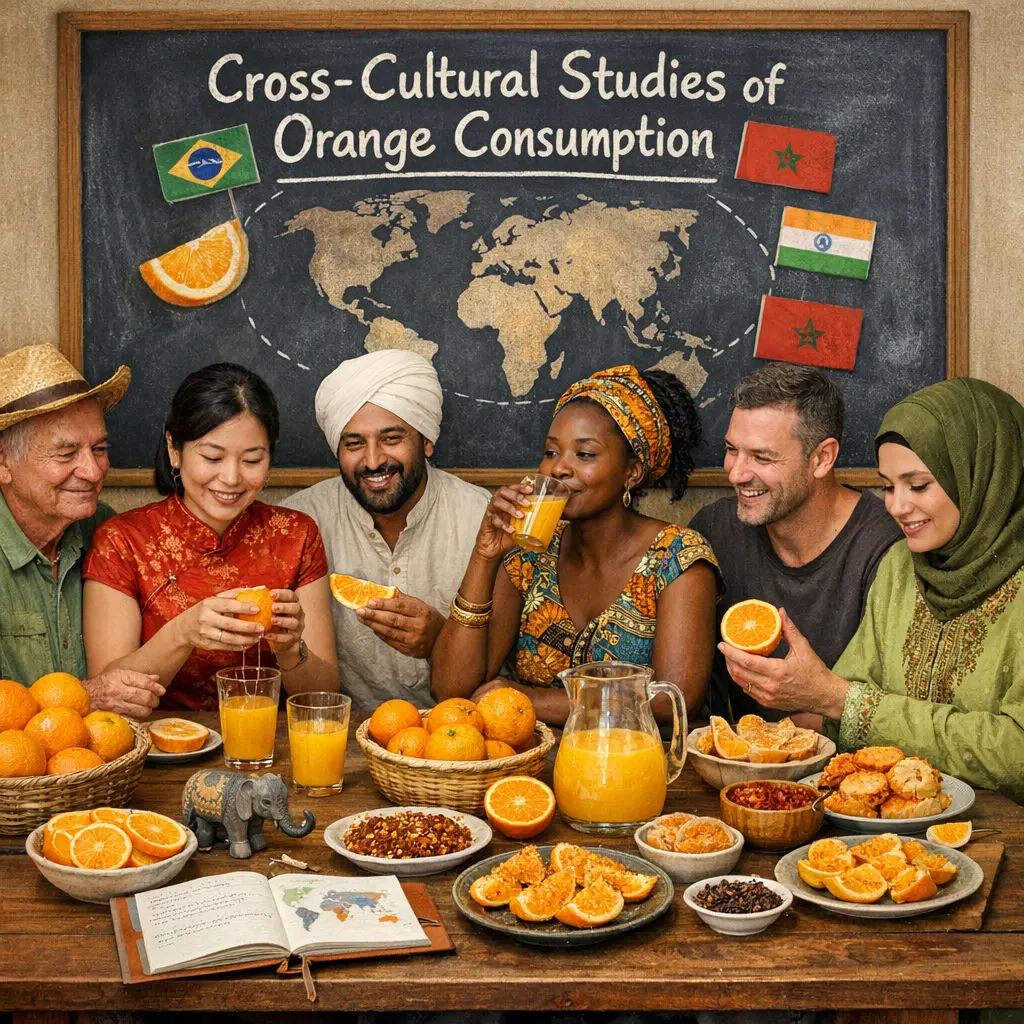
Cross-cultural studies of orange consumption examine how different societies perceive, consume, and value oranges and similar fresh fruits like cherries. These studies explore variations in eating habits, cultural symbolism, health beliefs, and economic factors influencing fruit choice. They highlight how traditions, availability, and social norms shape preferences for fresh fruit, revealing both universal patterns and unique cultural practices surrounding oranges and cherries in diverse communities worldwide.
Cross-Cultural Studies of Orange Consumption
Cross-cultural studies of orange consumption examine how different societies perceive, consume, and value oranges and similar fresh fruits like cherries. These studies explore variations in eating habits, cultural symbolism, health beliefs, and economic factors influencing fruit choice. They highlight how traditions, availability, and social norms shape preferences for fresh fruit, revealing both universal patterns and unique cultural practices surrounding oranges and cherries in diverse communities worldwide.
💡 Key Takeaways
- Compare traditional orange consumption patterns (fresh, juice, dried, zest) across different cultures.
- Identify how climate, agriculture, and economy shape orange availability and use in regional cuisines.
- Explore cultural meanings, symbolism, and marketing of oranges in diverse societies.
- Understand how nutritional beliefs and health perceptions influence orange consumption across cultures.
❓ Frequently Asked Questions
What factors shape how different cultures consume oranges?
Taste preferences, seasonal availability, price, and traditional culinary uses (snacking, juice, zest, or cooked dishes) influence how oranges are consumed in different regions.
Are there cultural traditions or symbolism associated with oranges?
Yes. In some cultures, oranges or mandarins symbolize luck and prosperity and are exchanged or displayed during festivals and celebrations.
How does orange consumption vary by form across regions?
Some regions favor fresh oranges as a daily snack, while others emphasize juice, zest, or preserved products like marmalade and candied peels.
Do different orange varieties affect how they are used?
Yes. Seedless mandarins and clementines are popular for snacking, while Valencia and Navel oranges are commonly used for juice and fresh eating, respectively.
How do seasonal and economic factors influence orange consumption worldwide?
Seasonality and import availability affect price and access; during winter in temperate zones, imports and storage shape what people buy and eat.