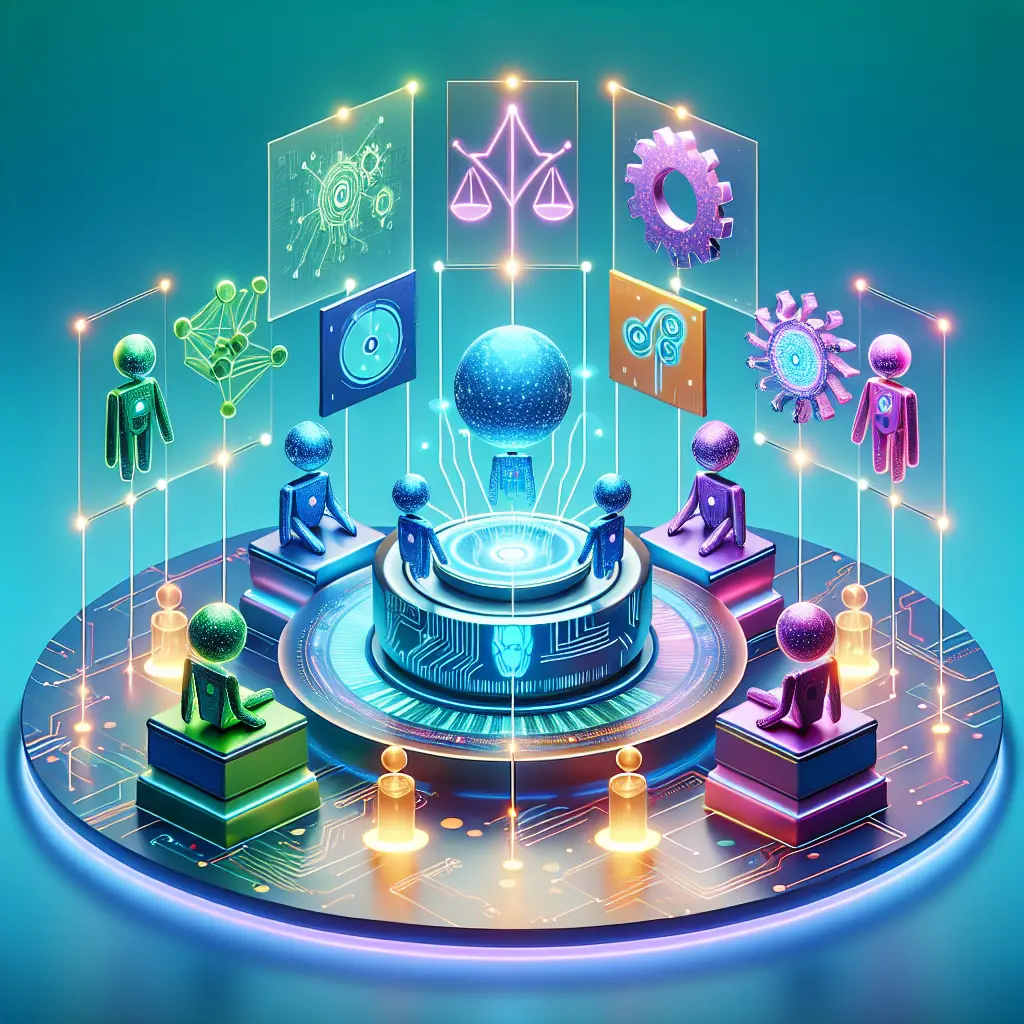
Cross-model dependency management refers to the process of coordinating and controlling dependencies between different models within a system or project. This involves identifying, tracking, and resolving relationships and interactions among models, ensuring that changes in one model do not negatively impact others. Effective cross-model dependency management promotes consistency, reduces errors, and supports seamless integration, enabling teams to work collaboratively across various components while maintaining system integrity and efficiency.
Cross-model dependency management
Cross-model dependency management refers to the process of coordinating and controlling dependencies between different models within a system or project. This involves identifying, tracking, and resolving relationships and interactions among models, ensuring that changes in one model do not negatively impact others. Effective cross-model dependency management promotes consistency, reduces errors, and supports seamless integration, enabling teams to work collaboratively across various components while maintaining system integrity and efficiency.

💡 Key Takeaways
- Understand the role of cross-model dependency management in AI governance and control.
- Identify and map dependencies and model interactions across a system.
- Manage changes with impact analysis, versioning, and release controls to prevent ripple effects.
- Apply governance practices for coordinated updates, testing, rollback, and dependency auditing.
❓ Frequently Asked Questions
What is cross-model dependency management in AI?
The coordinated process of identifying, tracking, and balancing how multiple models interact and depend on each other to maintain compatibility, data flow, and governance across a system.
Why is cross-model dependency management important?
It prevents changes in one model from causing unexpected issues in others, supports reproducibility, compliance, and reliable system behavior.
What are the main activities involved?
Mapping dependencies, versioning models, analyzing change impact, performing contract tests between models, monitoring interactions, and planning safe rollbacks.
What artifacts or tools support this practice?
Model registries, dependency graphs, feature stores, CI/CD pipelines, contract tests, and governance dashboards.