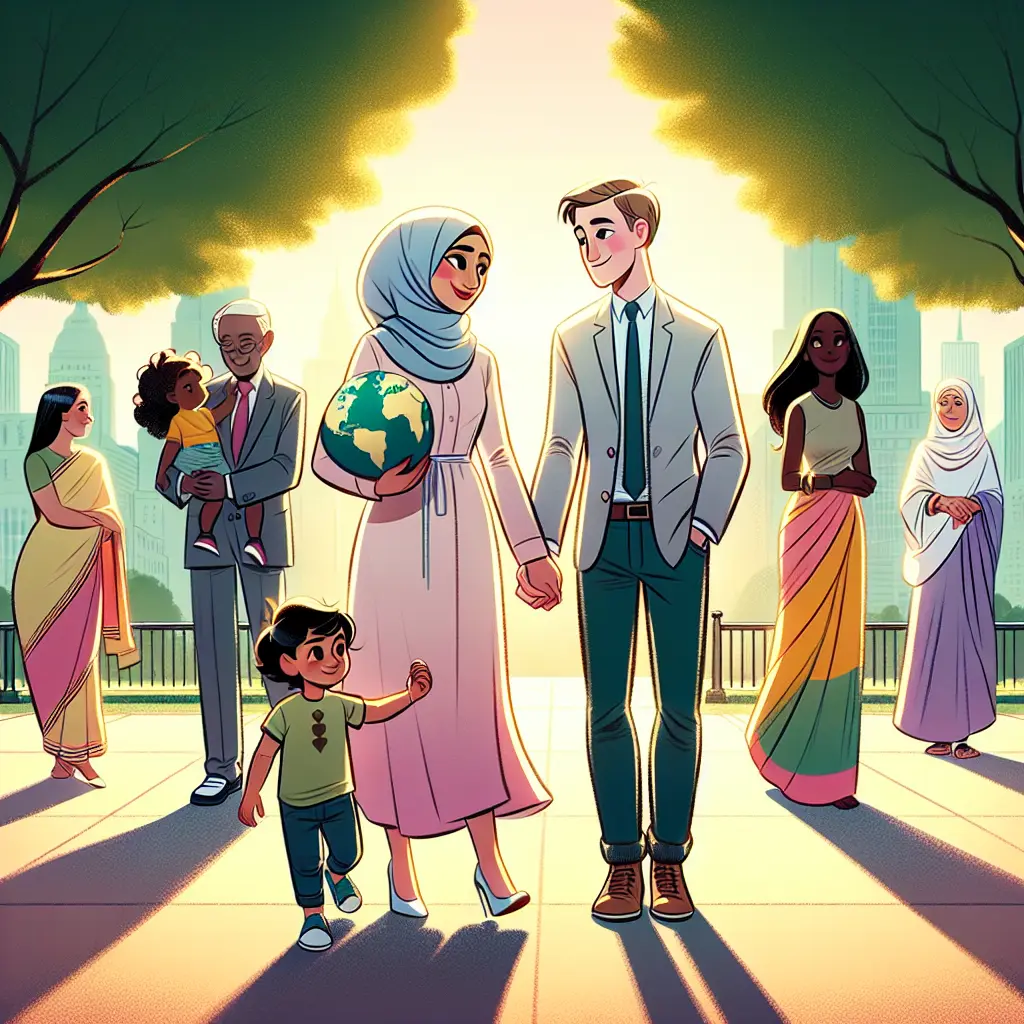
Cross-religious and intercultural marriages refer to unions between individuals from different religious backgrounds and distinct cultures. These marriages often involve blending diverse traditions, beliefs, and values, requiring mutual respect, open communication, and adaptability. Such relationships can foster greater understanding and acceptance between communities, but may also present unique challenges related to family expectations, religious practices, and cultural differences. Successfully navigating these complexities can lead to enriched personal growth and broader perspectives for both partners.
Cross-Religious & Intercultural Marriages
Cross-religious and intercultural marriages refer to unions between individuals from different religious backgrounds and distinct cultures. These marriages often involve blending diverse traditions, beliefs, and values, requiring mutual respect, open communication, and adaptability. Such relationships can foster greater understanding and acceptance between communities, but may also present unique challenges related to family expectations, religious practices, and cultural differences. Successfully navigating these complexities can lead to enriched personal growth and broader perspectives for both partners.
💡 Key Takeaways
- Understand the key dynamics of cross-religious and intercultural marriages, including blending traditions, beliefs, and values.
- Learn strategies for mutual respect, open communication, and adaptability in diverse relationships.
- Identify common challenges (family expectations, holidays, dietary practices) and practical tips to navigate them.
- Explore how to design inclusive date nights and rituals that honor both cultures.
❓ Frequently Asked Questions
What does cross-religious and intercultural marriage mean?
A partnership between people from different religious backgrounds and cultures, which blends traditions, beliefs, and practices and relies on mutual respect and open communication.
What are common challenges in these marriages?
Differences in faith practices, holidays, dietary rules, language, and family expectations can be challenging; addressing them with empathy, clear communication, and shared goals helps.
How can couples navigate holidays, rituals, and daily practices?
Discuss each partner’s traditions, consider inclusive plans, alternate participation, and create new shared customs that honor both cultures.
How should couples approach parenting and future planning?
Agree on core values and how to teach beliefs, decide on religious education and celebrations, involve extended family respectfully, and model cross-cultural respect for children.