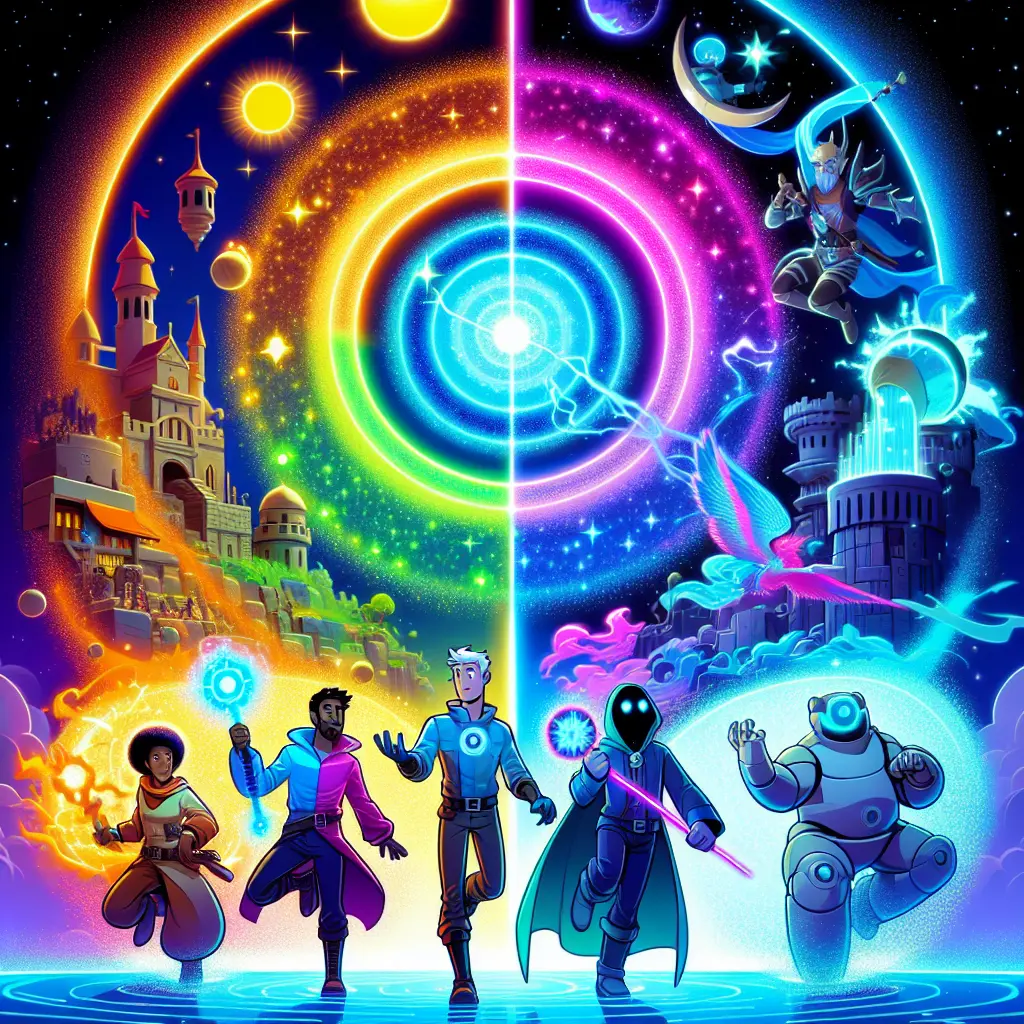
Crossover events and multiverses are popular concepts in fiction, especially in comic books, movies, and television. A crossover event brings together characters or storylines from different series or universes, often resulting in unique collaborations or conflicts. The multiverse refers to the existence of multiple, parallel universes within a larger reality, allowing for diverse versions of characters and events. Together, these ideas enable creative storytelling and unexpected interactions.
Crossover Events & Multiverses
Crossover events and multiverses are popular concepts in fiction, especially in comic books, movies, and television. A crossover event brings together characters or storylines from different series or universes, often resulting in unique collaborations or conflicts. The multiverse refers to the existence of multiple, parallel universes within a larger reality, allowing for diverse versions of characters and events. Together, these ideas enable creative storytelling and unexpected interactions.
💡 Key Takeaways
- Understand what crossover events are and how they combine characters or plots from different series or universes.
- Distinguish between crossovers and multiverse storytelling, including how parallel worlds or alternate timelines create different versions of characters.
- Identify common mechanisms that enable crossovers and multiverses, such as shared canon, team-ups, cameos, time travel, or retcons.
- Explore how crossovers and multiverses affect character arcs, power dynamics, and franchise continuity across comics, films, and TV.
- Consider storytelling challenges and fan considerations, including maintaining tone, rule consistency, and canon implications.
❓ Frequently Asked Questions
What is a crossover event?
A crossover event is a story that brings together characters or plotlines from different series or universes into one shared narrative, often across multiple titles.
What is a multiverse?
The multiverse is the collection of multiple, parallel universes with different histories and versions of characters, used in fiction to explain alternate outcomes and allow diverse storytelling.
Are crossovers always part of the official canon?
Not always. Some crossovers are canonical and affect ongoing continuity, while others are stand-alone or alternate-reality stories that may not change the main timeline.
How do crossover events affect ongoing storylines?
They can shift the status quo, introduce new versions or alliances, and sometimes reset or expand the universe across related titles.
Can you name some famous crossover or multiverse examples?
DC: Crisis on Infinite Earths; Marvel: Secret Wars (2015); Spider-Verse; and various Arrowverse TV crossover events illustrate crossovers and multiverses across franchises.