Crowd dynamics and flow modeling refers to the study and simulation of how groups of people move and interact within various environments, such as stadiums, urban spaces, or transportation hubs. By analyzing factors like density, movement patterns, and obstacles, researchers can predict crowd behavior, optimize space usage, and enhance safety. These models help in planning events, designing public spaces, and managing emergency evacuations by anticipating potential bottlenecks and ensuring smooth pedestrian flow.
Crowd Dynamics and Flow Modeling
Crowd dynamics and flow modeling refers to the study and simulation of how groups of people move and interact within various environments, such as stadiums, urban spaces, or transportation hubs. By analyzing factors like density, movement patterns, and obstacles, researchers can predict crowd behavior, optimize space usage, and enhance safety. These models help in planning events, designing public spaces, and managing emergency evacuations by anticipating potential bottlenecks and ensuring smooth pedestrian flow.
💡 Key Takeaways
- Grasp the core concepts of crowd dynamics: how people move, interact, and form patterns in dense spaces.
- Learn the key metrics used in flow modeling, such as density, speed, flow, bottlenecks, and how they relate.
- Identify common modeling approaches (e.g., social-force, cellular automata, agent-based) and when they are used.
- See practical applications for festivals, stadiums, and urban hubs, including improving safety, routing, and space design through simulations.
❓ Frequently Asked Questions
What is crowd dynamics and flow modeling?
Crowd dynamics studies how groups move and interact in spaces; flow modeling uses movement, density, and obstacle data to simulate behavior and predict outcomes.
Why is density important in crowd modeling?
Density measures how many people occupy a space; high density affects movement, comfort, and safety, helping predict bottlenecks and evacuation times.
What modeling approaches are commonly used to simulate crowds?
Common methods include social force models (behavioral forces), cellular automata (discrete space), macroscopic flow models (treat crowds like fluids), and agent-based models (individual decision-making).
How do obstacles and bottlenecks influence crowd flow?
Obstacles slow movement and create detours, while bottlenecks limit throughput and can cause jams if demand exceeds capacity.
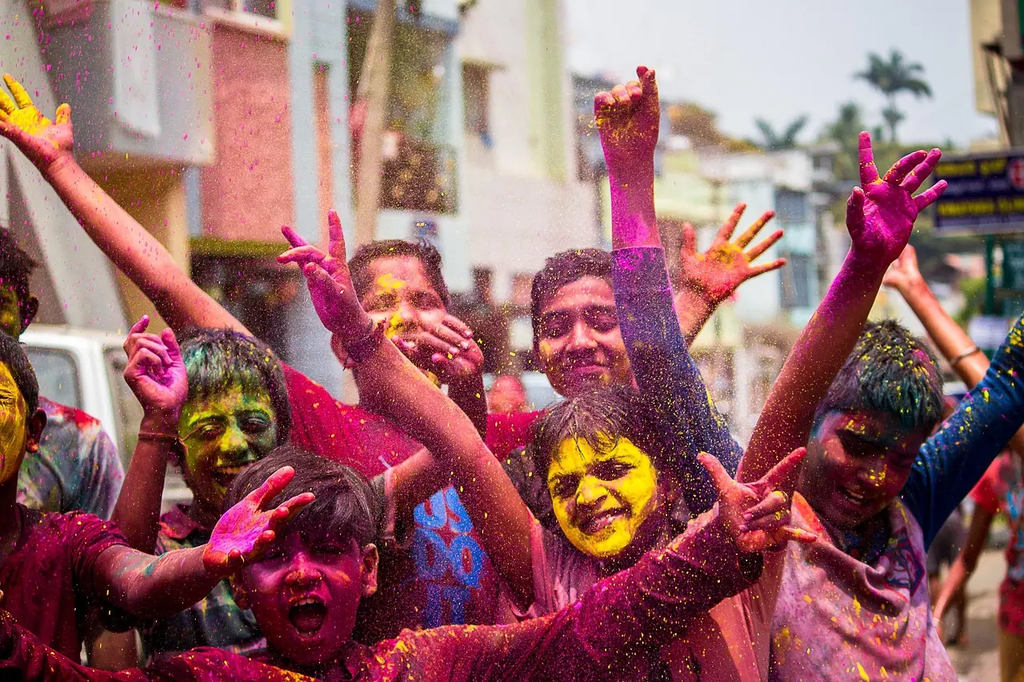
How is crowd dynamics modeling used for festivals and celebrations worldwide?
It informs layout design, entry/exit planning, signage, staffing, and emergency access; simulations help prepare for peak attendance and safe evacuations.