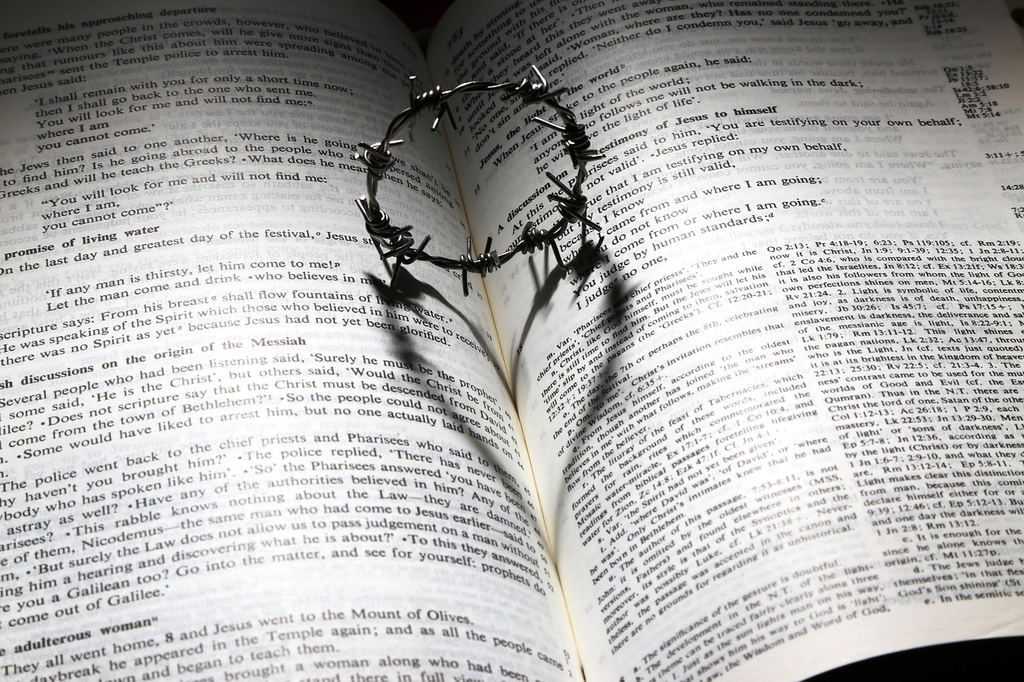
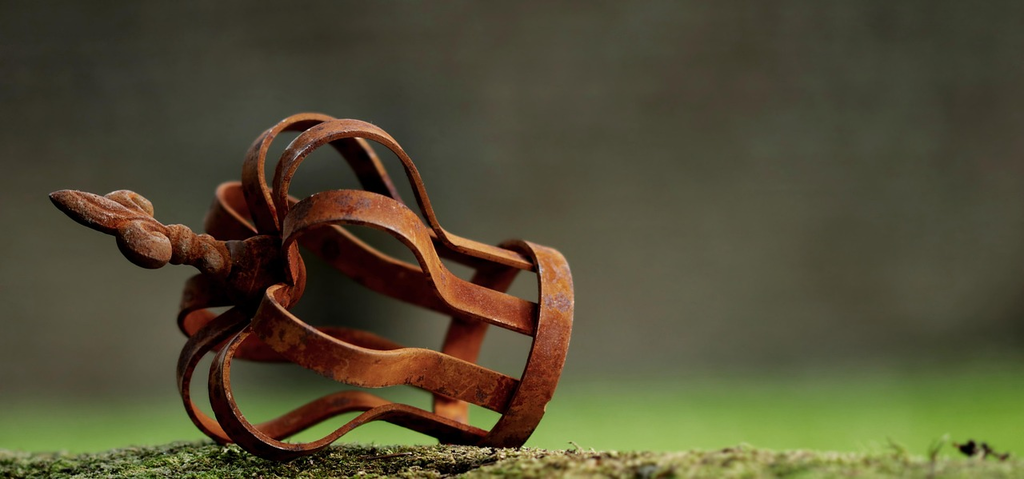
The crown symbol in architecture represents authority, sovereignty, and honor. Often seen atop gates, buildings, or decorative elements, it signifies power and prestige, historically linked to royalty or leadership. In everyday symbols, the crown can also express achievement, victory, or excellence. When paired with hearts, it may symbolize loyalty, love, and fidelity, merging emotional and authoritative meanings in both architectural and decorative contexts.
Crown Symbol in Architecture
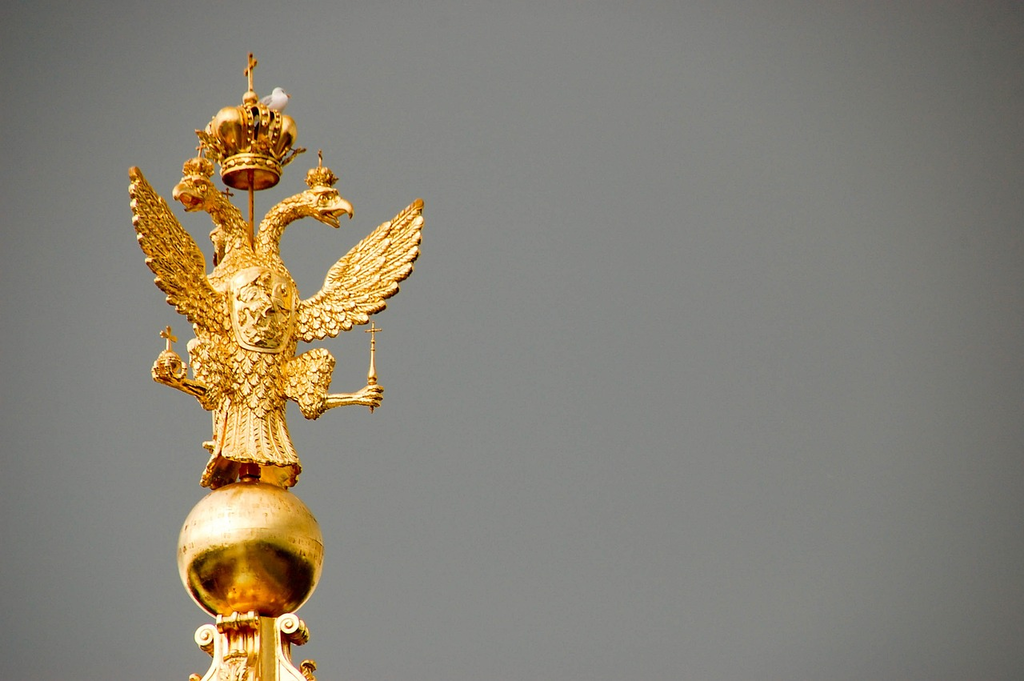
The crown symbol in architecture represents authority, sovereignty, and honor. Often seen atop gates, buildings, or decorative elements, it signifies power and prestige, historically linked to royalty or leadership. In everyday symbols, the crown can also express achievement, victory, or excellence. When paired with hearts, it may symbolize loyalty, love, and fidelity, merging emotional and authoritative meanings in both architectural and decorative contexts.
💡 Key Takeaways
- Understand the meaning and symbolism of the crown motif in architecture.
- Identify where crown motifs commonly appear (cornices, capitals, domes, spires) and why they’re used.
- Learn how crown symbolism signals status, sanctity, or authority in different architectural traditions.
- Explore diverse examples of crown motifs across styles and regions and what they communicate.
❓ Frequently Asked Questions
What is the crown symbol in architecture?
A crown-like decorative element or motif at the top or cap of a building part, signaling prominence, authority, or sacred status.
Where might crown motifs appear in a building?
On capitals, cornices, pediments, domes, and decorative friezes or medallions—anywhere a crown-shaped top or band is used.
Which architectural styles commonly use crown motifs?
Classical, Renaissance, Baroque, Gothic, and religious architecture, where crowns convey majesty and importance.
What does a crown motif typically symbolize?
Authority, sovereignty, victory, or a divine/celestial association, depending on the context.
How can you tell a crown motif is architectural rather than a painting or sculpture detail?
If it’s integrated into structural ornament (mouldings, capitals, cornices, domes) rather than applied as a standalone painting or statue.