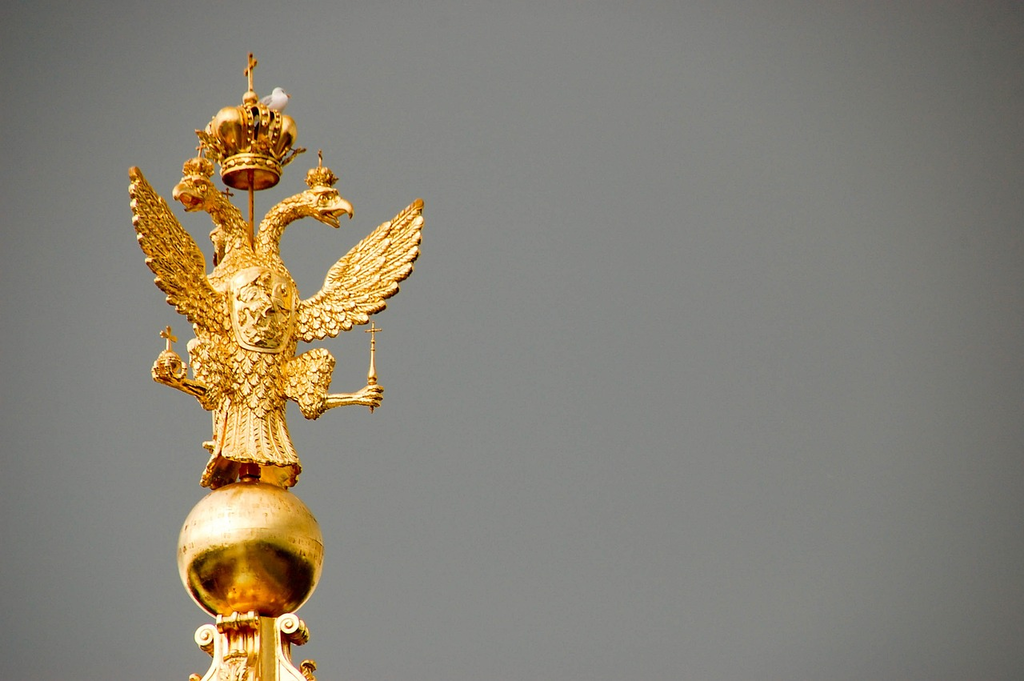
In culinary arts, the crown symbol often represents excellence, mastery, and high standards in cooking and presentation. It signifies a chef’s or establishment’s prestige, skill, and commitment to delivering top-quality cuisine. When paired with hearts, the crown can also symbolize a passion for food and hospitality, highlighting both love and leadership in the kitchen. This combination celebrates both the artistry and heartfelt dedication found in exceptional culinary experiences.
Crown Symbol in Culinary Arts
In culinary arts, the crown symbol often represents excellence, mastery, and high standards in cooking and presentation. It signifies a chef’s or establishment’s prestige, skill, and commitment to delivering top-quality cuisine. When paired with hearts, the crown can also symbolize a passion for food and hospitality, highlighting both love and leadership in the kitchen. This combination celebrates both the artistry and heartfelt dedication found in exceptional culinary experiences.

💡 Key Takeaways
- Understand what the crown symbol represents in the culinary world, including prestige, heritage, and quality.
- Learn how crown imagery is used in menu design, branding, and packaging to signal luxury.
- Identify crown-inspired plating concepts and presentations, such as crown-shaped arrangements and decorative garnishes.
- Explore the historical and cultural roles of royal symbolism in culinary traditions and banquets across different cultures.
❓ Frequently Asked Questions
What is a crown roast?
A crown roast is a centerpiece dish made by bending two or more rib racks (usually lamb or pork) into a circle and tying the ends to form a crown shape. It’s often stuffed or served with a centerpiece in the middle.
Which meats are typically used for a crown roast?
Lamb and pork are most common. Beef rib roasts or other meats can be arranged into a crown shape, but traditional crown roasts use lamb or pork.
How do you prepare and cook a crown roast?
Tie the rib racks into a circle with kitchen twine, season, and roast in a preheated oven (about 350°F / 175°C) until the internal temperature reaches ~130–135°F (54–57°C) for medium-rare, then rest to reach about 140–145°F.
How do you carve and present a crown roast?
Let it rest, then slice between the ribs and arrange the slices around the center to maintain the crown look. Garnish with herbs or fruits for a regal presentation.
What does the crown symbol mean in culinary arts?
The crown symbol is a branding or presentation cue indicating premium quality or a royal/theme dish. Its meaning varies by restaurant or publication and is not standardized.