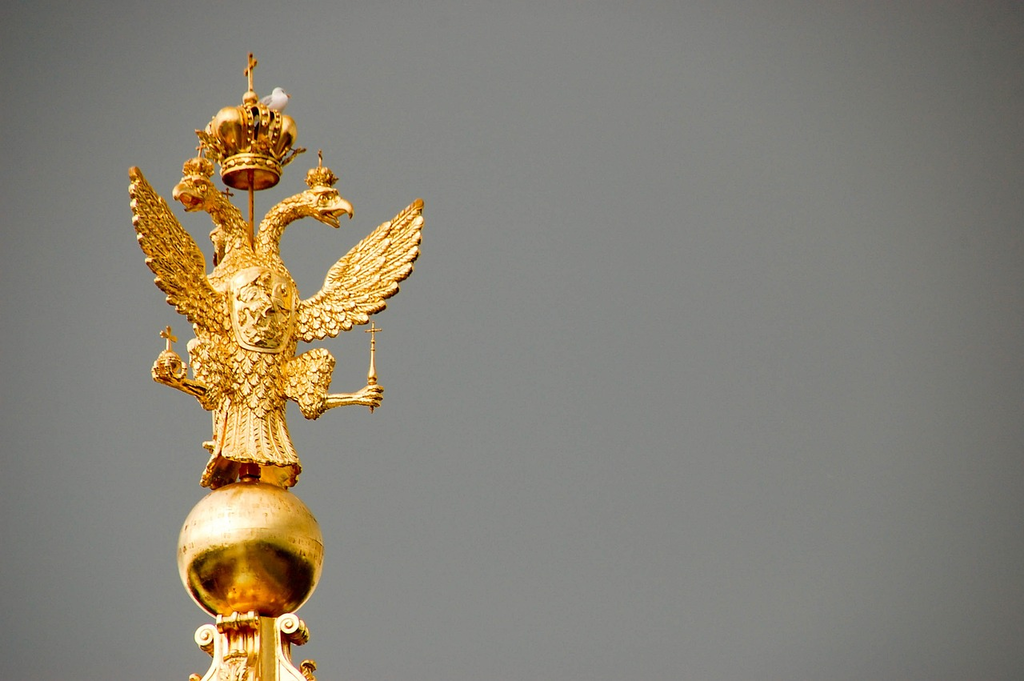
In economic contexts, the crown symbol often represents wealth, authority, and power, drawing from its historical association with royalty and leadership. It can signify financial success, premium quality, or elite status in branding and marketing. When paired with symbols like hearts, the crown may also suggest the union of value and affection, implying prized or cherished assets. Overall, it denotes prestige and high standing in economic or social hierarchies.
Crown Symbol in Economic Contexts
In economic contexts, the crown symbol often represents wealth, authority, and power, drawing from its historical association with royalty and leadership. It can signify financial success, premium quality, or elite status in branding and marketing. When paired with symbols like hearts, the crown may also suggest the union of value and affection, implying prized or cherished assets. Overall, it denotes prestige and high standing in economic or social hierarchies.

💡 Key Takeaways
- Understand what the crown symbol denotes in currency contexts and which crown-based currencies exist (e.g., Danish krone, Swedish krona, Norwegian krone).
- Identify how the crown imagery appears on coins and banknotes and what it communicates about national identity and heritage.
- Explain how crown symbols influence price notation and market signaling in economies that use crown currencies.
- Trace the historical origins of crown iconography in monetary design and its evolution in modern currencies.
❓ Frequently Asked Questions
What does the crown symbolize in currency names like krona or koruna?
It means 'crown' in the local language and signals a historic or ceremonial link to monarchy; many currencies in Northern and Central Europe use crown-related names.
Which currencies derive their name from the crown?
Krona/Krona (Sweden, Iceland), Krone (Denmark, Norway), and Koruna (Czech Republic). Iceland uses króna.
How is the crown symbol shown in price displays?
Prices are shown with the currency symbol or code (e.g., kr, SEK, NOK, DKK, ISK, CZK) placed before or after the amount, depending on local conventions.
Does the crown symbol indicate inflation or currency strength?
No. The crown is a historical/name symbol; economic strength is determined by indicators like inflation, growth, and debt.