The crown symbol in mythology represents authority, power, and legitimacy, often signifying divine right or favor. Associated with royalty and deities, it embodies leadership, victory, and honor. In various cultures, crowns are worn by gods, kings, and heroes, marking them as chosen or blessed. The crown also symbolizes achievement, spiritual enlightenment, and the fulfillment of destiny, making it a powerful emblem in both mythological stories and everyday symbolism.
Crown Symbol in Mythology
The crown symbol in mythology represents authority, power, and legitimacy, often signifying divine right or favor. Associated with royalty and deities, it embodies leadership, victory, and honor. In various cultures, crowns are worn by gods, kings, and heroes, marking them as chosen or blessed. The crown also symbolizes achievement, spiritual enlightenment, and the fulfillment of destiny, making it a powerful emblem in both mythological stories and everyday symbolism.
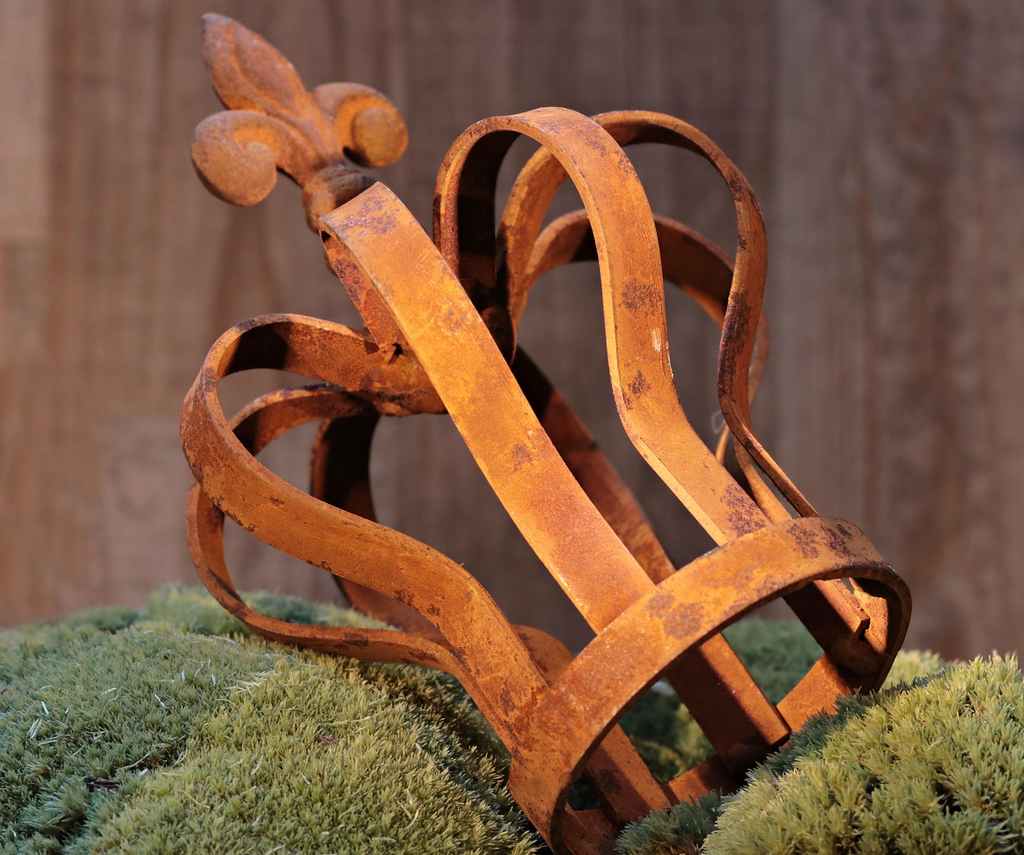
💡 Key Takeaways
- Understand what crowns symbolize in myth (sovereignty, divinity, victory)
- Identify different crown types (laurel, diadem, circlet) and their cultural meanings
- Explore crown symbolism across mythologies (Greek, Egyptian, Norse, Hindu)
- Recognize common crown motifs (solar crowns, sacred kingship, coronation rituals) in myths
❓ Frequently Asked Questions
What does a crown generally symbolize in mythologies?
Sovereignty and divine authority—the rightful rule of a king or god.
In ancient Egypt, what is the double crown called that unites Upper and Lower Egypt?
Pschent (the double crown), formed by the white Hedjet and the red Deshret.
What is the crown worn by Hindu gods and kings called?
Mukut (also Kirita Mukut).
Which crown is associated with victory in ancient Greek and Roman culture?
Laurel wreath (laurel crown), a symbol of victory and honor.
What term describes a simple circular crown or headband worn by rulers in myth?
Diadem.