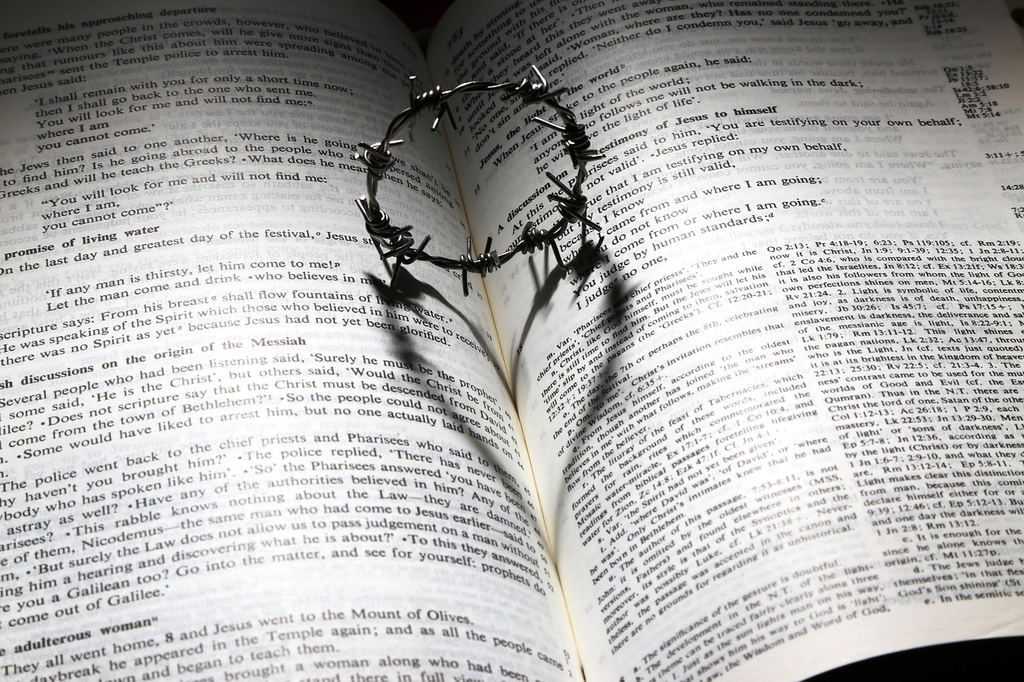
The crown symbol in philosophical texts often represents authority, sovereignty, and the pursuit of higher knowledge or enlightenment. It signifies mastery over oneself and the attainment of wisdom, linking earthly power with spiritual ascension. When paired with everyday symbols like hearts, the crown can also embody the union of love and leadership, suggesting that true authority is guided by compassion, integrity, and the harmonious balance between intellect and emotion.
Crown Symbol in Philosophical Texts
The crown symbol in philosophical texts often represents authority, sovereignty, and the pursuit of higher knowledge or enlightenment. It signifies mastery over oneself and the attainment of wisdom, linking earthly power with spiritual ascension. When paired with everyday symbols like hearts, the crown can also embody the union of love and leadership, suggesting that true authority is guided by compassion, integrity, and the harmonious balance between intellect and emotion.

💡 Key Takeaways
- Identify what the crown symbol typically represents (authority, sovereignty, and legitimacy) in philosophical writings.
- Explain how crown imagery is used to critique or defend political power and governance.
- Compare different authorial perspectives on monarchy and rule as conveyed through crown symbolism.
- Recognize how crown imagery signals virtue, wisdom, or moral authority in philosophical arguments.
❓ Frequently Asked Questions
What does the crown symbol typically represent in philosophical texts?
It commonly stands for authority or sovereignty—who rules, who has legitimate power, or divine right. It can also indicate ultimate or moral leadership within a theory.
How is the crown different from the laurel in philosophy?
The crown usually signals political or sacred authority, whereas the laurel denotes victory or virtue. The crown may accompany critique of power, while laurel emphasizes achievement.
In which philosophical domains might crown symbolism appear?
Political philosophy (legitimacy, sovereignty), ethics (self-governance or moral authority), religious philosophy (divine kingship), and related literary/philosophical symbolism.
How should you interpret a sentence that mentions a crown?
Identify who bears the crown, what authority or legitimacy it represents, and the text’s stance toward that power. Consider the historical and ideological context.
Can the crown symbolize more than just power?
Yes. It can also signify legitimacy, moral authority, or the culmination of virtue, and can be used to critique centralized or tyrannical power.