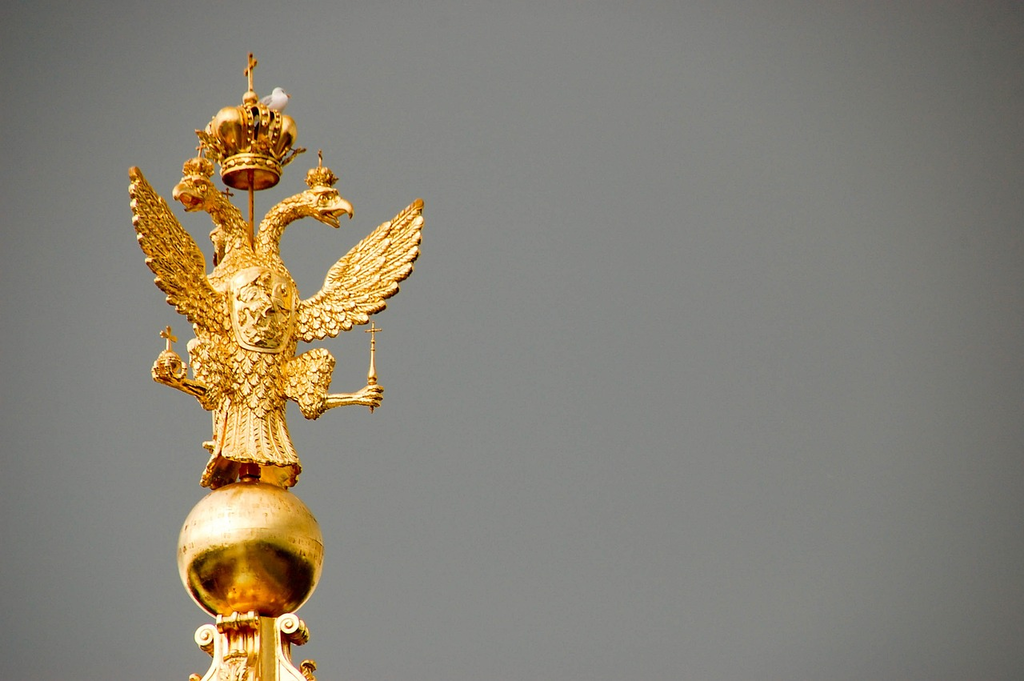
The crown symbol in political movements often represents authority, power, and legitimacy. Historically linked to monarchy, it can signify a desire for order, tradition, or national identity. In modern contexts, activists may use the crown to critique or reclaim power, highlight issues of leadership, or symbolize unity and pride. Paired with hearts, it can blend ideas of love, loyalty, and just governance within social or political causes.
Crown Symbol in Political Movements
The crown symbol in political movements often represents authority, power, and legitimacy. Historically linked to monarchy, it can signify a desire for order, tradition, or national identity. In modern contexts, activists may use the crown to critique or reclaim power, highlight issues of leadership, or symbolize unity and pride. Paired with hearts, it can blend ideas of love, loyalty, and just governance within social or political causes.

💡 Key Takeaways
- Understand what crown symbolism signals in politics (authority, legitimacy, sovereignty).
- Identify common crown motifs (royal crown, laurel, coronet) and their meanings.
- Analyze how crown imagery is used in propaganda and movement branding.
- Recognize cultural and historical variations and modern reinterpretations of crown symbolism.
❓ Frequently Asked Questions
What does the crown symbol typically represent in political movements?
Sovereignty, authority, and legitimacy; often linked to monarchy or royal lineage to imply strong leadership or national continuity.
Where has the crown symbol appeared in political history?
In monarchist or royalist movements, state emblems, and nationalist imagery that evoke royal authority or traditional governance.
How can you tell a crown symbol apart from other political icons?
Look for crown-like features (arches, points, circlet) and royal regalia cues; context and history of the region help distinguish monarchy-related symbolism from other icons.
What should you consider about sensitivities around crown symbolism?
It can evoke monarchy, colonial legacies, or religious associations; interpretations vary by culture and history, so the context matters.