The crown symbol in religion often represents authority, divinity, and eternal life. It is commonly associated with the sovereignty of God or Christ in Christianity, signifying victory over sin and death. In other faiths, crowns can denote enlightenment, spiritual power, or the reward for virtuous living. As an everyday symbol, the crown also reflects honor, achievement, and the aspiration to higher ideals, often paired with the heart to symbolize love and nobility.
Crown Symbol in Religion
The crown symbol in religion often represents authority, divinity, and eternal life. It is commonly associated with the sovereignty of God or Christ in Christianity, signifying victory over sin and death. In other faiths, crowns can denote enlightenment, spiritual power, or the reward for virtuous living. As an everyday symbol, the crown also reflects honor, achievement, and the aspiration to higher ideals, often paired with the heart to symbolize love and nobility.
💡 Key Takeaways
- Understand how the crown symbolizes divine authority and spiritual sovereignty in religious art and texts.
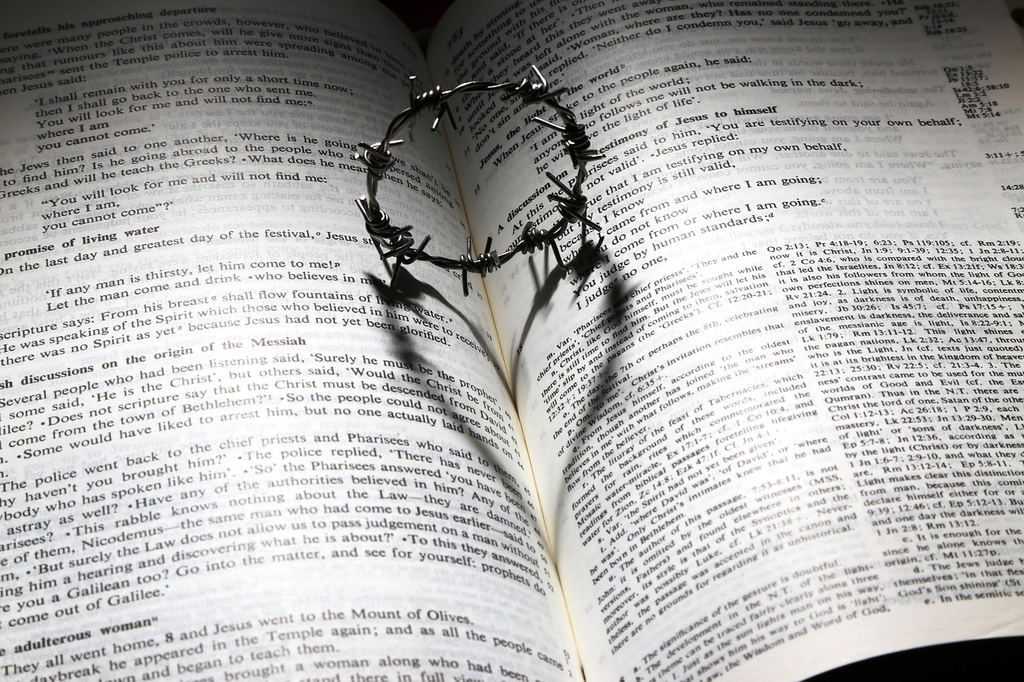
- Recognize crown imagery in key narratives (e.g., crowns of life or thorns) and what they signify about faith, sacrifice, and reward.
- Compare crowns as signs of earthly rulership with crowns representing inner spiritual attainment or enlightenment across traditions.
- Explore how crowns appear in rituals and iconography—on statues, in liturgy, and in devotional objects.
- Reflect on why crown imagery varies by culture and history and what messages it conveys about virtue, perseverance, and reward.
❓ Frequently Asked Questions
What does the crown symbol generally represent in religion?
Crown symbols typically denote divine authority or sacred sovereignty, the kingship of a deity or holy figure, and can also symbolize spiritual victory or reward for faithful endurance.
What is the crown of thorns and what does it signify in Christianity?
The crown of thorns placed on Jesus during the crucifixion symbolizes suffering, humility, and sacrifice, while also affirming Jesus' royal status in a moral or divine sense.
What is meant by a 'heavenly crown' or 'crown of life' in religious texts?
Terms like 'crown of life' represent rewards for steadfast faith under trials, signifying eternal life and spiritual victory for believers (e.g., in Christian scriptures).
Are crowns used in religions other than Christianity, and what do they mean?
Yes. In various traditions, crowns on deities or rulers signify sacred authority, divine status, or honor. Meanings vary by tradition but generally point to spiritual sovereignty or reverence.