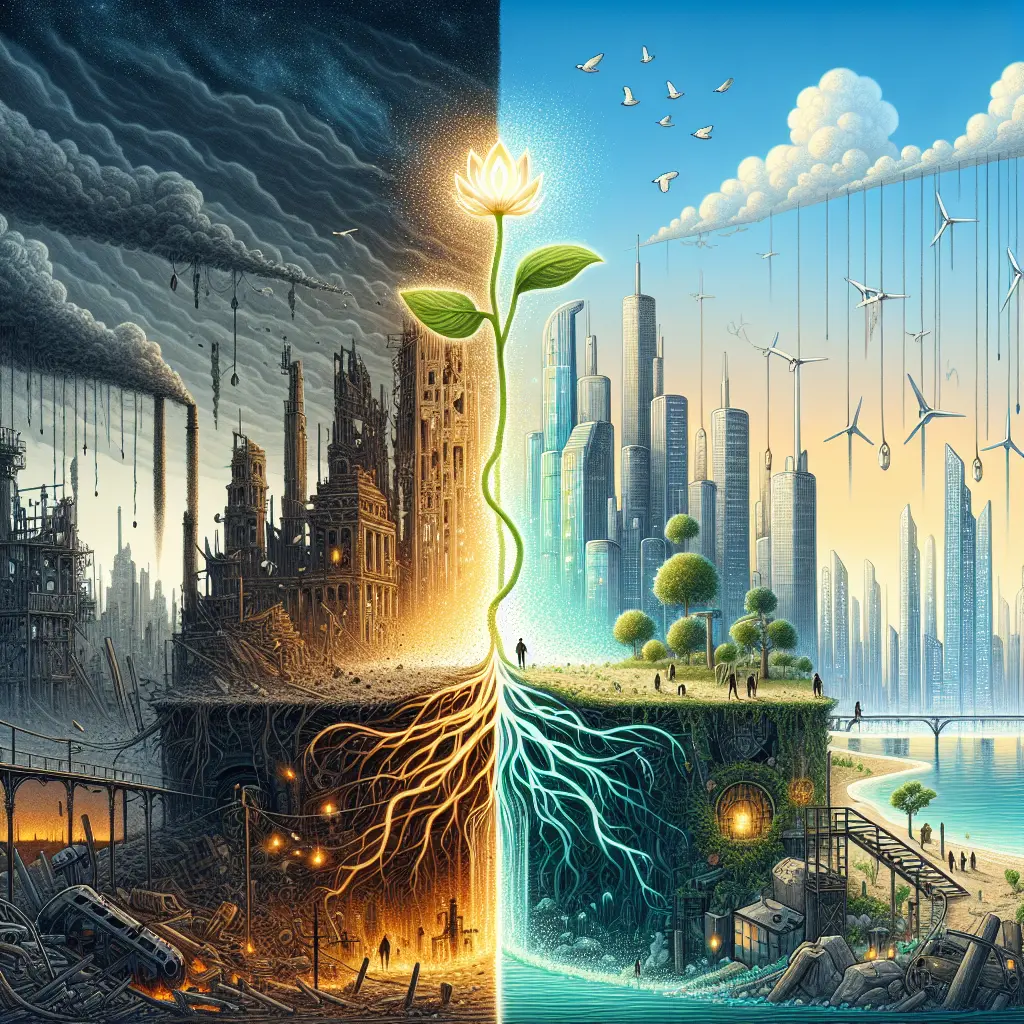
Cryonics and life extension refer to scientific efforts aimed at prolonging human life. Cryonics involves preserving individuals at extremely low temperatures after death, with the hope that future medical advances may revive and heal them. Life extension encompasses a broader range of strategies, including biotechnology, medicine, and lifestyle changes, to slow aging and extend healthy lifespan. Both fields challenge conventional views on mortality and raise ethical, technological, and philosophical questions.
Cryonics & Life Extension
Cryonics and life extension refer to scientific efforts aimed at prolonging human life. Cryonics involves preserving individuals at extremely low temperatures after death, with the hope that future medical advances may revive and heal them. Life extension encompasses a broader range of strategies, including biotechnology, medicine, and lifestyle changes, to slow aging and extend healthy lifespan. Both fields challenge conventional views on mortality and raise ethical, technological, and philosophical questions.
💡 Key Takeaways
- Differentiate cryonics from broader life-extension approaches and understand their respective goals.
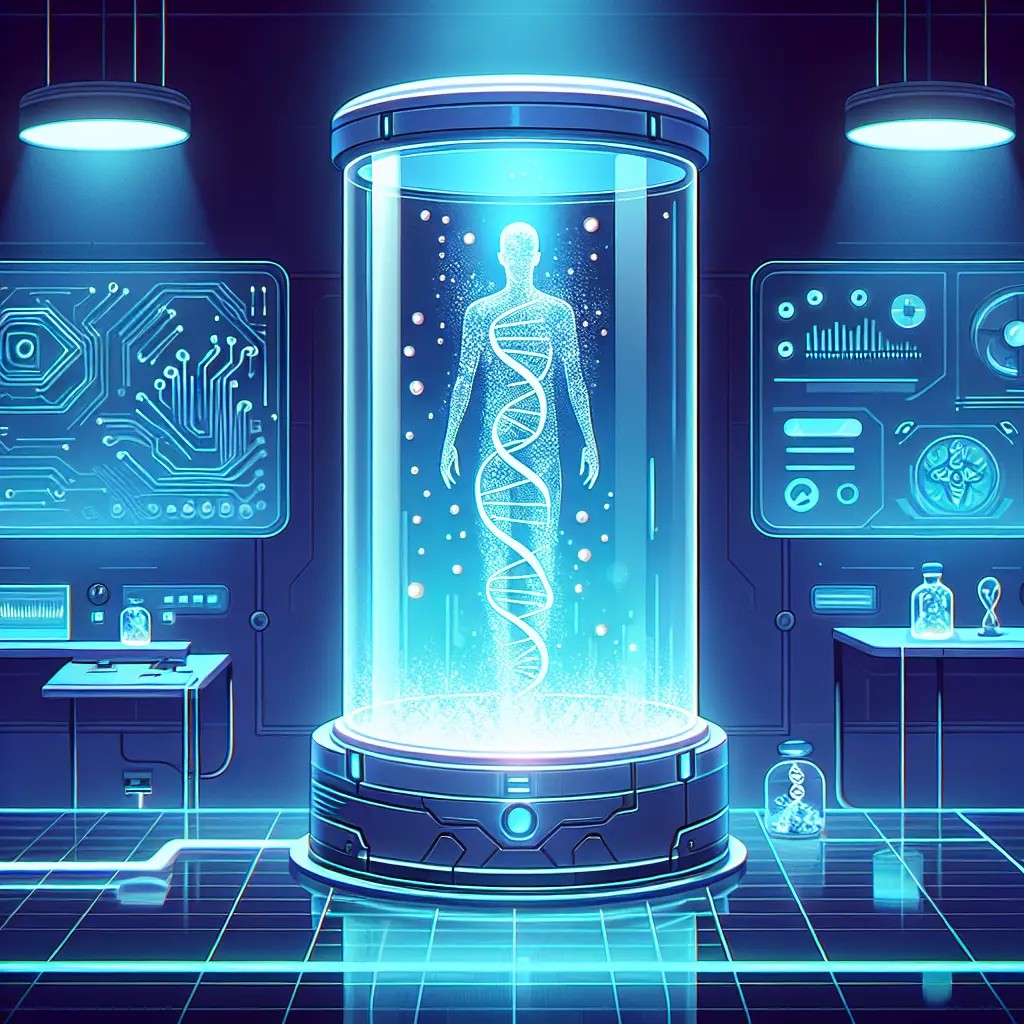
- Describe the cryonics process (post-death preservation at extremely low temperatures) and why revival remains speculative.
- Identify key life-extension strategies (biomedical research, regenerative medicine, genetics, and related technologies) and how they aim to extend healthy lifespan.
- Consider the ethical, legal, and social implications of these technologies, including access, cost, and questions about identity and consent.
❓ Frequently Asked Questions
What is cryonics?
Cryonics is the practice of preserving a person at very low temperatures after legal death, in the hope that future science can revive and heal them. It is speculative and not proven.
How does cryonics differ from life extension?
Cryonics preserves the dead at low temperatures with the hope of future revival; life extension aims to slow aging and improve health while alive using therapies today or soon, not freezing after death.
What kinds of strategies fall under life extension?
A mix of lifestyle, medical therapies, and emerging science to extend healthy lifespan, such as regenerative medicine, gene therapy, anti-aging drugs, and strategies to reduce aging damage. Most are experimental.
What are common concerns or limitations?
There are significant uncertainties about revival, high costs, ethical and legal questions, potential brain damage during preservation, and broader social implications.