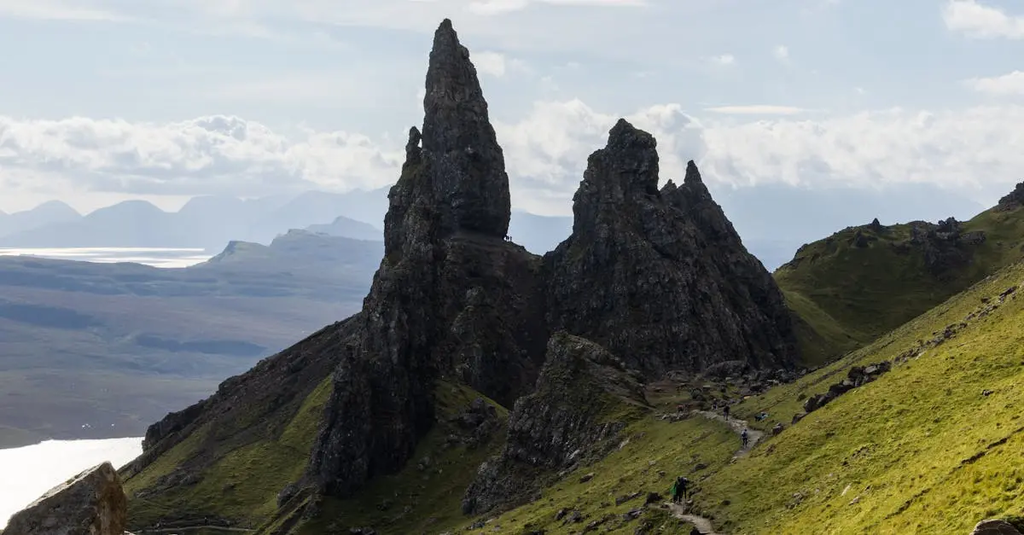
Cryospheric and periglacial processes in UK highlands refer to the physical and geological changes driven by cold climate conditions, including the presence of snow, ice, and seasonal freezing and thawing. These processes shape the landscape through frost action, solifluction, and the development of features like patterned ground and ice wedges. In the UK highlands, such processes are most evident in upland areas, influencing soil movement, slope stability, and the formation of unique landforms.
Cryospheric and periglacial processes in UK highlands
Cryospheric and periglacial processes in UK highlands refer to the physical and geological changes driven by cold climate conditions, including the presence of snow, ice, and seasonal freezing and thawing. These processes shape the landscape through frost action, solifluction, and the development of features like patterned ground and ice wedges. In the UK highlands, such processes are most evident in upland areas, influencing soil movement, slope stability, and the formation of unique landforms.
💡 Key Takeaways
- Frost action and freeze-thaw cycles weather rocks and soils, helping shape highland landscapes.
- Periglacial processes such as solifluction and frost creep move material downslope and form landforms like patterned ground and blockfields.
- Key cryospheric features in UK highlands include seasonal snow, patches of ice, and their changing patterns throughout the year.
- Climate controls cryospheric activity by dictating snow duration, ice presence, and impacts on drainage and slope stability.
❓ Frequently Asked Questions
What are cryospheric processes?
Processes involving frozen water in the landscape (snow, ice, glaciers, and frozen soils) that drive weathering, erosion, and landform change in cold climates. In the UK Highlands, this includes snow cover, freeze–thaw effects, and remnants of past glaciation.
What is periglaciation, and how is it different from glaciation?
Periglaciation refers to cold-climate processes near glaciers driven by freezing and thawing rather than by moving ice. It creates landforms on non-glaciated ground (e.g., frost action, patterned ground, gelifluction), whereas glaciation involves the flow of large ice bodies.
What is frost action and how does it shape rocks and soils?
Frost action is mechanical weathering from freezing and thawing. Water in cracks freezes, expands, and widens the cracks, gradually breaking rock apart and forming features like scree and fragmented rock surfaces.
What is solifluction, and where does it occur in the UK highlands?
Solifluction is the slow downslope movement of water-saturated soil over an impermeable frozen layer. It produces tongue-like lobes on moist, steep slopes and is common in cold, wet ground of the UK Highlands.
What landforms indicate cryospheric and periglacial processes in the UK highlands?
Landforms include frost-shattered rock, scree slopes, patterned ground (polygons or stripes), and solifluction lobes or other frozen-ground landforms on upland slopes.