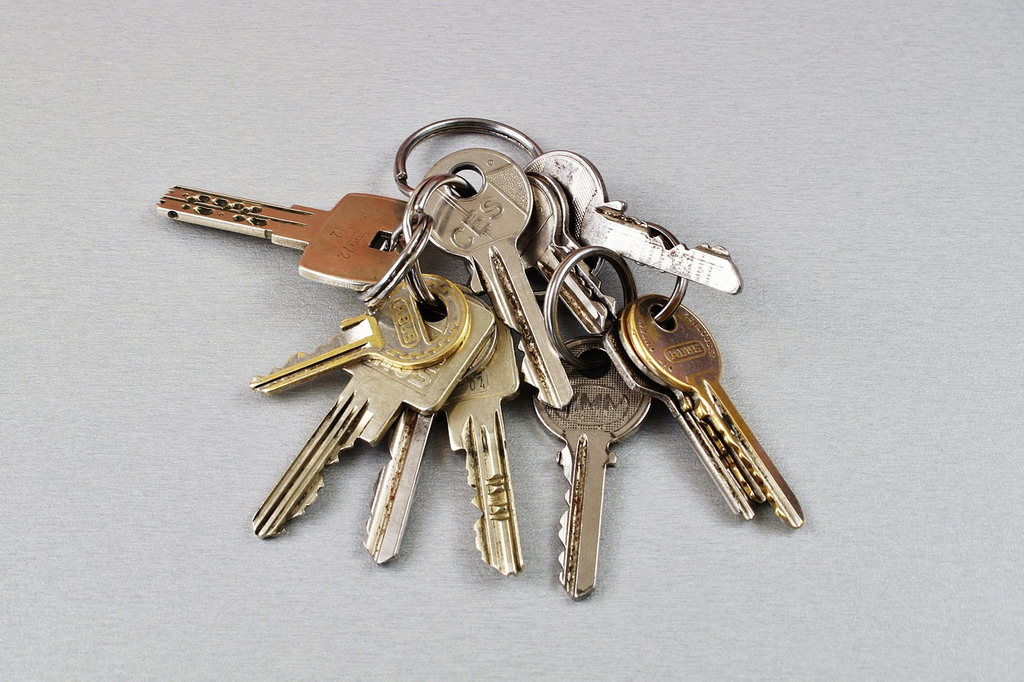
Cryptographic Key Systems are foundational tools in securing digital communications, using unique codes (keys) to encrypt and decrypt information. In daily essentials like clocks and keys, these systems ensure secure access and time synchronization. For example, digital locks use cryptographic keys for authentication, while smart clocks may employ encryption to maintain accurate, tamper-proof time data, safeguarding everyday devices from unauthorized access and cyber threats.
Cryptographic Key Systems
Cryptographic Key Systems are foundational tools in securing digital communications, using unique codes (keys) to encrypt and decrypt information. In daily essentials like clocks and keys, these systems ensure secure access and time synchronization. For example, digital locks use cryptographic keys for authentication, while smart clocks may employ encryption to maintain accurate, tamper-proof time data, safeguarding everyday devices from unauthorized access and cyber threats.
💡 Key Takeaways
- Understand how cryptographic keys protect data and verify identities.
- Distinguish symmetric and asymmetric key systems and their typical use cases.
- Learn key generation, distribution, storage, and lifecycle management (rotation, revocation).
- Explore common algorithms (AES for symmetric; RSA/ECDSA/ECDH for asymmetric) and practical applications.
❓ Frequently Asked Questions
What is a cryptographic key?
A piece of data used by a cryptographic algorithm to encrypt or decrypt information; keys can be symmetric (same key for both directions) or asymmetric (public/private key pair).
What is the difference between symmetric and asymmetric key systems?
Symmetric systems use one secret key for encryption and decryption, while asymmetric systems use a public key for encryption and a private key for decryption (a key pair).
What is a public key infrastructure (PKI)?
A framework of roles, policies, and technologies that manage digital certificates and public keys to verify identities and enable secure communication.
What is a common purpose of the Diffie-Hellman key exchange?
To establish a shared secret between parties over an insecure channel, which can then be used to derive symmetric keys for encryption.
Why is key management important?
Proper generation, storage, distribution, rotation, and revocation of keys protect confidentiality and integrity and prevent unauthorized access.