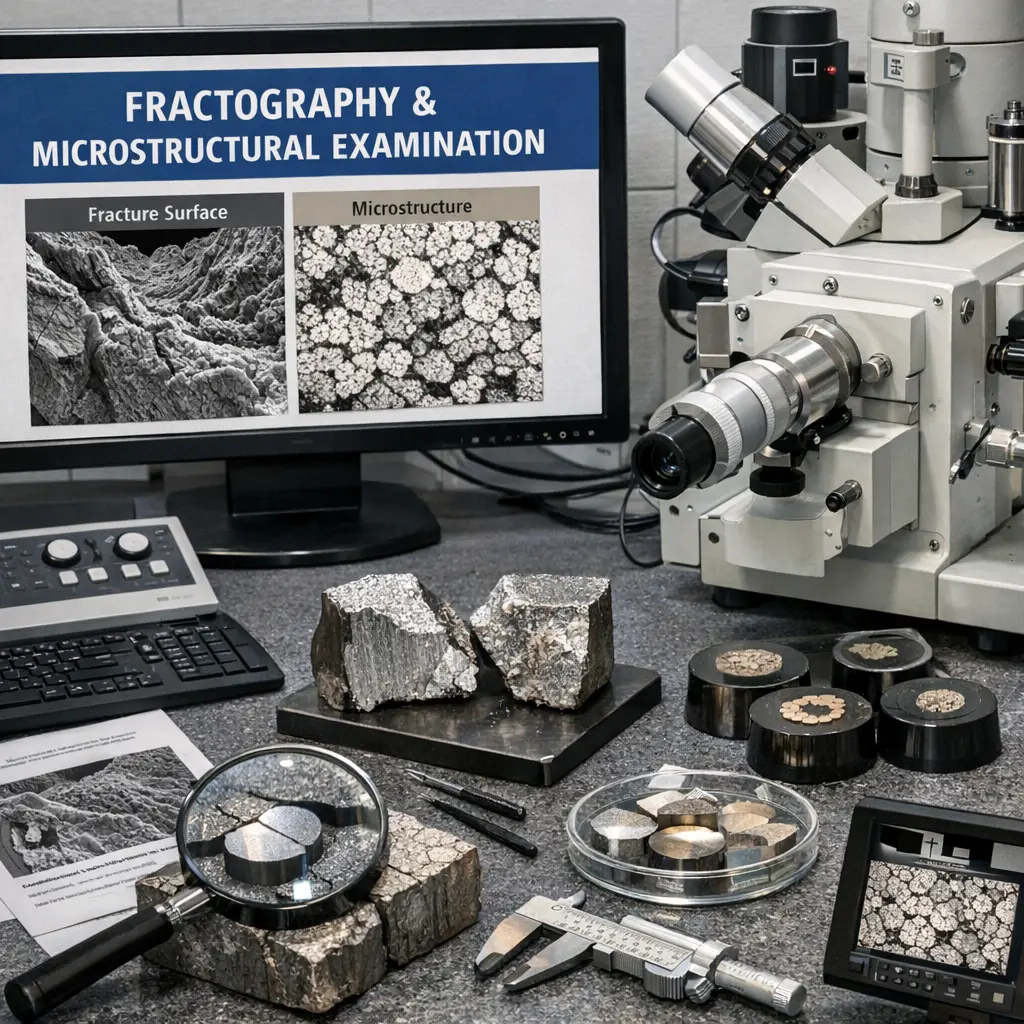
Crystal structures refer to solids whose atoms are arranged in highly ordered, repeating patterns, resulting in distinct geometric shapes and predictable physical properties. Common examples include metals, salts, and minerals. In contrast, amorphous materials lack this long-range order, with atoms arranged randomly, leading to different properties such as lower density and variable strength. Glass and many plastics are typical amorphous materials. Both types are fundamental in materials science for understanding and designing new materials.
Crystal Structures and Amorphous Materials+50
Crystal structures refer to solids whose atoms are arranged in highly ordered, repeating patterns, resulting in distinct geometric shapes and predictable physical properties. Common examples include metals, salts, and minerals. In contrast, amorphous materials lack this long-range order, with atoms arranged randomly, leading to different properties such as lower density and variable strength. Glass and many plastics are typical amorphous materials. Both types are fundamental in materials science for understanding and designing new materials.
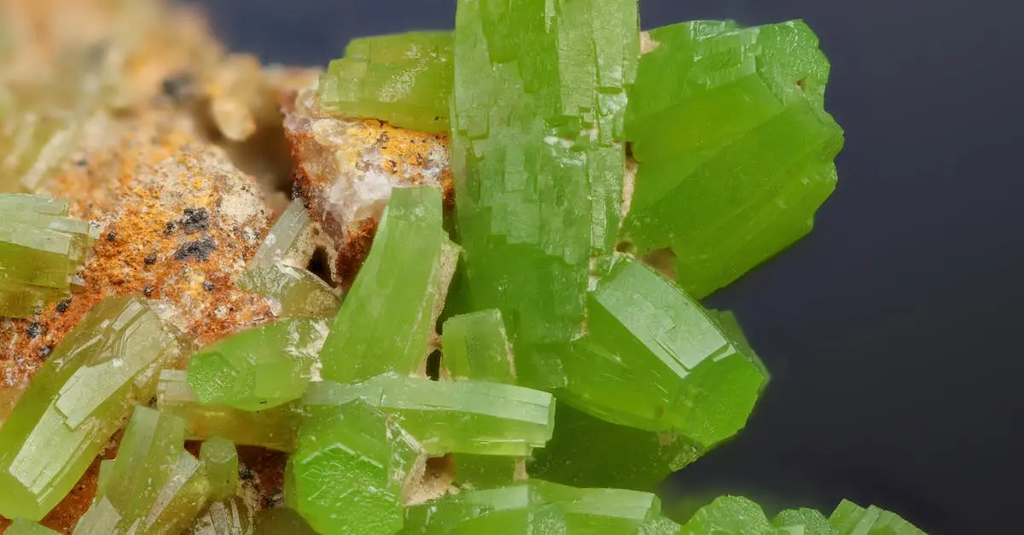
💡 Key Takeaways
- Differentiate crystalline materials with long-range atomic order from amorphous materials without it.
- Understand how atomic arrangement shapes properties such as melting point, hardness, and optical behavior.
- Identify common examples of crystalline (metals, salts, minerals) and amorphous (glasses, polymers) materials.
- Learn how structure is determined and interpreted using diffraction concepts to detect order vs disorder.
❓ Frequently Asked Questions
What is a crystal structure?
A crystal structure is the orderly, repeating arrangement of atoms in a solid, forming a lattice and a unit cell. This long-range order gives crystals predictable shapes and properties.
How do crystalline and amorphous materials differ?
Crystalline solids have long-range order with periodic atomic arrangement and often a sharp melting point. Amorphous materials lack long-range order, have a more random structure, and soften gradually rather than melting sharply.
What are common examples of crystalline materials?
Metals, salts, and minerals are typical crystalline materials, as they form well-ordered atomic lattices.
How can scientists identify whether a material is crystalline or amorphous?
X-ray diffraction reveals sharp, well-defined Bragg peaks for crystals and diffuse patterns for amorphous materials; other techniques like electron microscopy and calorimetry can also help distinguish them.