Cuckoo clocks are traditional timepieces known for their intricate wooden designs and the signature cuckoo bird that emerges to chime the hour. Originating in the Black Forest region of Germany during the 18th century, these clocks quickly became popular for their craftsmanship and unique charm. Over time, cuckoo clocks have evolved in style but remain beloved collectibles, symbolizing a blend of artistry, mechanical ingenuity, and cultural heritage in the world of daily essentials.
Cuckoo Clocks and Their Origin
Cuckoo clocks are traditional timepieces known for their intricate wooden designs and the signature cuckoo bird that emerges to chime the hour. Originating in the Black Forest region of Germany during the 18th century, these clocks quickly became popular for their craftsmanship and unique charm. Over time, cuckoo clocks have evolved in style but remain beloved collectibles, symbolizing a blend of artistry, mechanical ingenuity, and cultural heritage in the world of daily essentials.
💡 Key Takeaways
- Origin and region: Black Forest, Germany, in the 18th century.
- How it works: the cuckoo call is produced by bellows and tiny pipes on the hour.
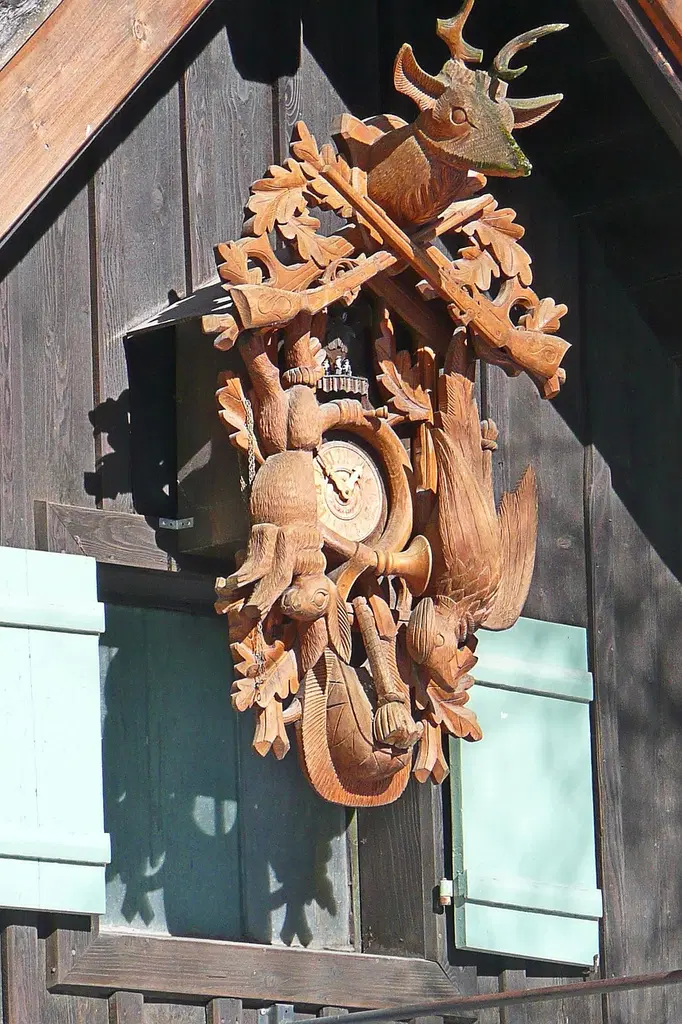
- Design features: carved wooden cases (often chalet-style), pendulum, and pinecone weights.
- Legacy: from regionally crafted clocks to mass-produced variants and a lasting cultural symbol of clockmaking.
❓ Frequently Asked Questions
What is a cuckoo clock and where did it originate?
A mechanical clock with a small bird that emerges and calls on the hour; origin: Black Forest, Germany, in the early 18th century (around 1730).
Who is credited with inventing the cuckoo clock?
Franz Ketterer of the Black Forest is widely credited with creating the first cuckoo clocks around 1730, with later refinements by other local clockmakers.
How does the cuckoo call get produced in the clock?
Two small bellows push air through pipes to mimic a cuckoo’s call, and a door opens to reveal the bird on the hour (sometimes also on the half-hour).
What features are typical of traditional cuckoo clocks?
Carved wooden cases (often with leaves or animals), a door for the cuckoo, a pendulum, weights (usually pinecone-shaped), and mechanical movement that triggers the bird and sound.