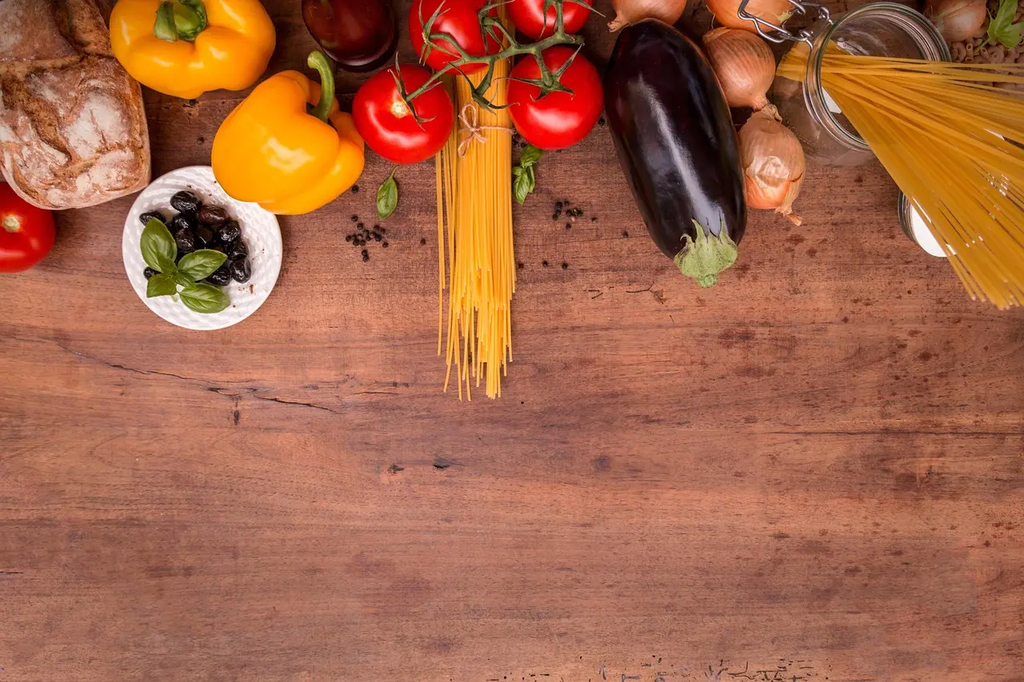
Culinary traditions and history encompass the rich tapestry of cooking practices, ingredients, and food rituals passed down through generations. They reflect cultural values, historical events, and regional influences, shaping how communities prepare and enjoy meals. Global flavors emerge from the exchange of spices, techniques, and recipes across borders, resulting in diverse cuisines that celebrate both local identity and international connections through shared meals and evolving tastes.
Culinary Traditions and History
Culinary traditions and history encompass the rich tapestry of cooking practices, ingredients, and food rituals passed down through generations. They reflect cultural values, historical events, and regional influences, shaping how communities prepare and enjoy meals. Global flavors emerge from the exchange of spices, techniques, and recipes across borders, resulting in diverse cuisines that celebrate both local identity and international connections through shared meals and evolving tastes.
💡 Key Takeaways
- Identify major global culinary traditions and what makes them distinctive.
- Explain how geography, history, trade, and technology shaped traditional cooking.
- See how traditional dishes reflect cultural rituals, celebrations, and daily life.
- Trace how modern cuisines preserve or adapt traditional practices.
❓ Frequently Asked Questions
What does 'culinary traditions' mean?
Culinary traditions are the cooking practices, ingredients, techniques, and rituals passed down within a culture over generations.
How have historical trade routes shaped cuisines?
Trade brought new ingredients and techniques to regions, blending flavors and giving rise to new dishes across cultures.
Which milestones have influenced modern cooking methods?
Key milestones include mastering fire, the development of cookware, fermentation and preservation techniques, and the global spice trade.
Why do regional dishes differ within the same country?
Differences arise from local climate, available ingredients, religious/cultural practices, and historical influences.