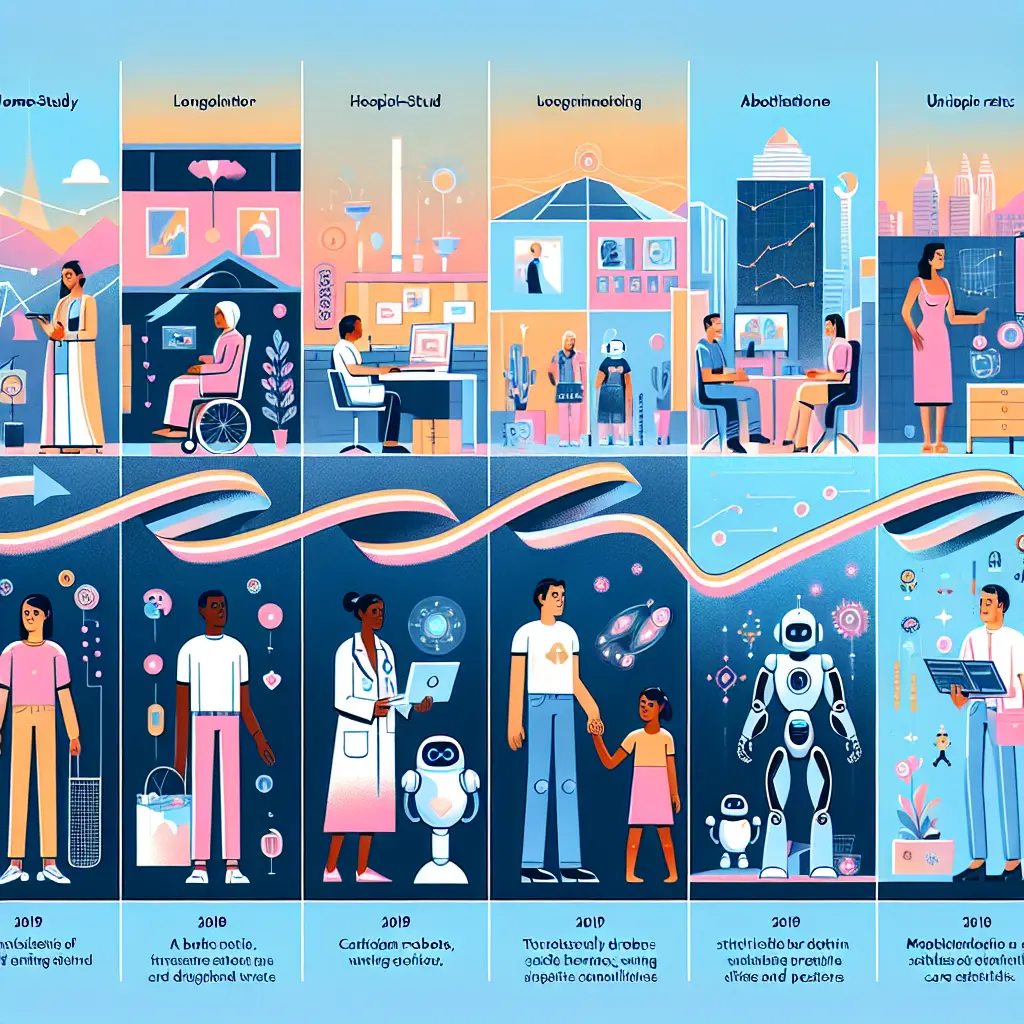
Cultural adaptation and localization of AI systems involve tailoring artificial intelligence technologies to fit the language, social norms, values, and expectations of specific regions or communities. This process ensures that AI solutions are contextually relevant, respectful, and effective across diverse cultures. It includes translating interfaces, modifying content, and adjusting algorithms to recognize local customs, idioms, and preferences, ultimately enhancing user experience and fostering broader acceptance of AI technologies worldwide.
Cultural adaptation and localization of AI systems
Cultural adaptation and localization of AI systems involve tailoring artificial intelligence technologies to fit the language, social norms, values, and expectations of specific regions or communities. This process ensures that AI solutions are contextually relevant, respectful, and effective across diverse cultures. It includes translating interfaces, modifying content, and adjusting algorithms to recognize local customs, idioms, and preferences, ultimately enhancing user experience and fostering broader acceptance of AI technologies worldwide.

💡 Key Takeaways
- Recognize cultural factors (language, norms, values, and expectations) that shape AI usefulness and acceptance across communities.
- Describe localization strategies (language, content, UI, and interaction style) that boost relevance and respect.
- Assess ethical and societal risks of localization, including bias, misrepresentation, privacy, and power imbalances.
- Outline practices for culturally aware AI development (stakeholder engagement, governance, and ongoing monitoring).
❓ Frequently Asked Questions
What is cultural adaptation and localization of AI systems?
It is tailoring AI to fit local language, social norms, values, and expectations so the technology works respectfully and effectively in a specific region or community.
Why is localization important for AI systems?
Localization improves relevance, usability, and trust by aligning AI with local languages, nuances, and rules, reducing misinterpretation and offense.
What ethical and societal risks arise in AI localization?
Risks include bias or stereotypes, exclusion of minority groups, privacy and data sovereignty concerns, and lack of transparency about how local data shapes decisions.
How can developers test for cultural appropriateness?
Use diverse local datasets, involve regional experts and users in testing, and apply culturally aware benchmarks and audits.
What practices promote responsible localization?
Engage local stakeholders, ensure consent and data protection, maintain explainability, monitor impact, and adapt policies as cultures evolve.