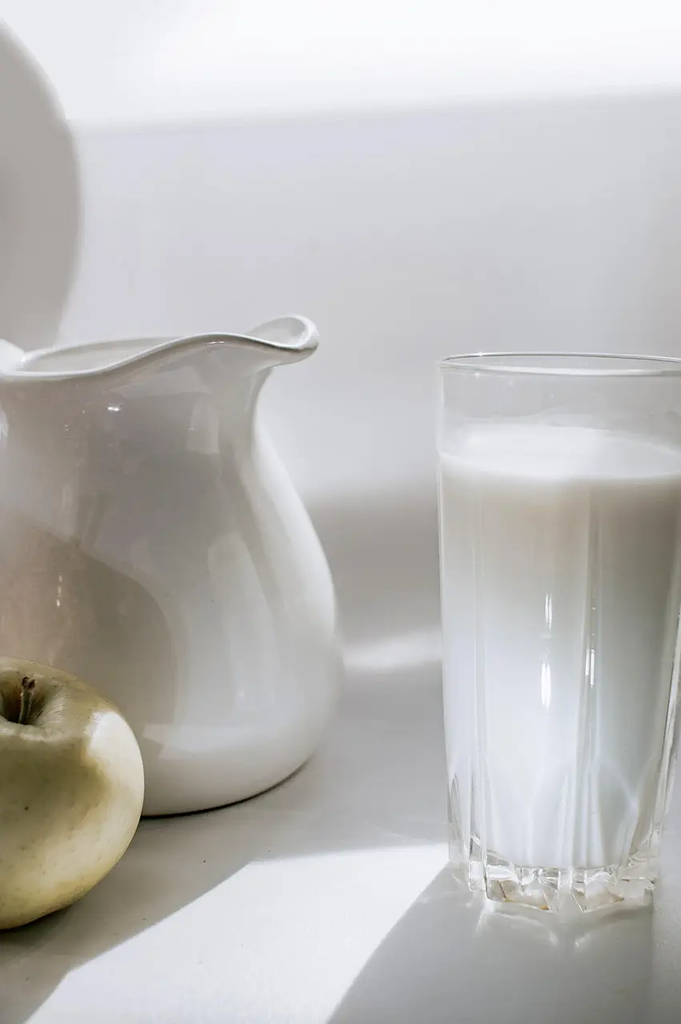
Cultural and family food traditions integration in child nutrition and night weaning involves blending customary eating practices and family rituals into a child’s dietary routine. This approach respects cultural values, fosters a sense of identity, and eases transitions like night weaning by using familiar foods and mealtime customs. It helps children develop healthy eating habits, strengthens family bonds, and ensures nutritional needs are met within the context of their cultural background.
Cultural and family food traditions integration
Cultural and family food traditions integration in child nutrition and night weaning involves blending customary eating practices and family rituals into a child’s dietary routine. This approach respects cultural values, fosters a sense of identity, and eases transitions like night weaning by using familiar foods and mealtime customs. It helps children develop healthy eating habits, strengthens family bonds, and ensures nutritional needs are met within the context of their cultural background.

💡 Key Takeaways
- Understand how cultural and family food traditions shape meals and celebrations.
- Learn respectful ways to blend different culinary traditions in everyday cooking.
- Identify core elements of family food heritage (recipes, techniques, rituals) to preserve.
- Explore adapting traditional dishes for dietary needs while honoring their origins.
❓ Frequently Asked Questions
What does integrating cultural and family food traditions involve?
Blending recipes, techniques, and rituals from your heritage with those of your family or community, while honoring origins and making meals inclusive and meaningful.
How can I start integrating traditions in my cooking?
Gather favorite dishes and stories from relatives, identify common flavors, test small adaptations, and invite family members to cook together.
How can dietary needs or preferences be respected when combining traditions?
Discuss restrictions upfront, substitute ingredients thoughtfully, keep core flavors where possible, label dishes, and involve everyone in planning.
How can you preserve heritage while allowing for new cultural influences?
Document recipes and memories, host periodic heritage meals, rotate traditions, and ensure proper attribution and respect for origins.