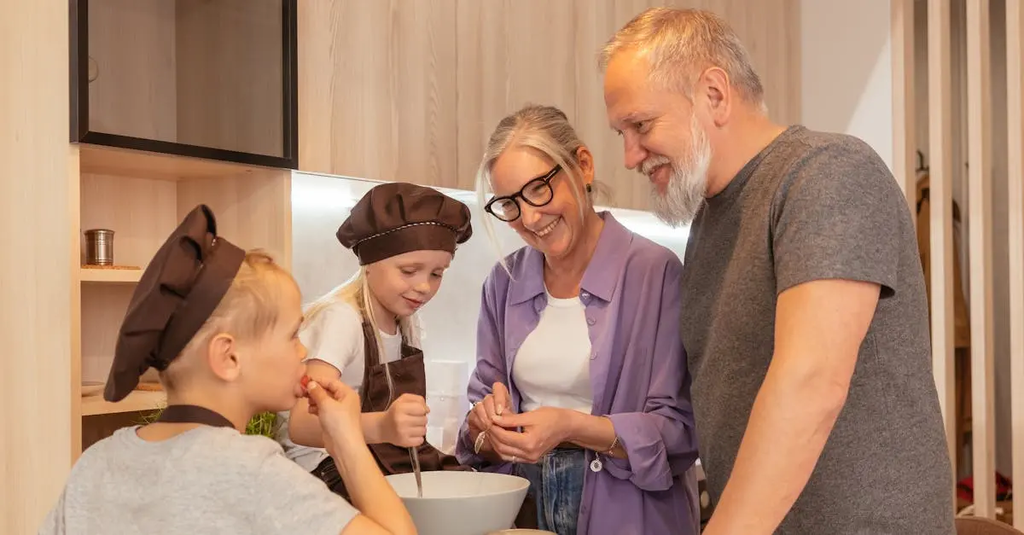
Cultural and holiday traditions are the shared practices, rituals, and customs that communities observe to celebrate their heritage, beliefs, and significant events. These traditions often include specific foods, music, decorations, clothing, and ceremonies, passed down through generations. They foster a sense of belonging, identity, and continuity, while also providing opportunities for families and communities to come together, honor their history, and create lasting memories during special occasions and festive seasons.
Cultural and Holiday Traditions
Cultural and holiday traditions are the shared practices, rituals, and customs that communities observe to celebrate their heritage, beliefs, and significant events. These traditions often include specific foods, music, decorations, clothing, and ceremonies, passed down through generations. They foster a sense of belonging, identity, and continuity, while also providing opportunities for families and communities to come together, honor their history, and create lasting memories during special occasions and festive seasons.
💡 Key Takeaways
- Understand how cultural and holiday traditions strengthen family bonding and identity.
- Identify common elements in traditions (food, music, decorations, clothing, ceremonies) across different cultures.
- Learn how traditions are passed down and how to preserve or adapt them for future generations.
- Explore inclusive ways to celebrate in diverse or mixed-heritage families and involve kids in planning.
❓ Frequently Asked Questions
What are cultural and holiday traditions in a family?
They are shared practices, rituals, and customs that celebrate heritage, beliefs, and significant events, often involving foods, music, decorations, clothing, and ceremonies, passed down through generations.
Why are traditions important for parenting and family bonding?
They help create a sense of belonging, teach family values and history, provide predictable routines for children, and generate lasting memories that connect generations.
How can families start or adapt traditions to fit their current needs?
Start with simple, meaningful activities; involve children in planning; blend old rituals with new ones; stay flexible with timing; and ensure inclusivity for all family members.
What are common categories of traditions to consider?
Food-based rituals, music and dance, decorations and clothing for celebrations, ceremonies or rites of passage, storytelling and remembrance.