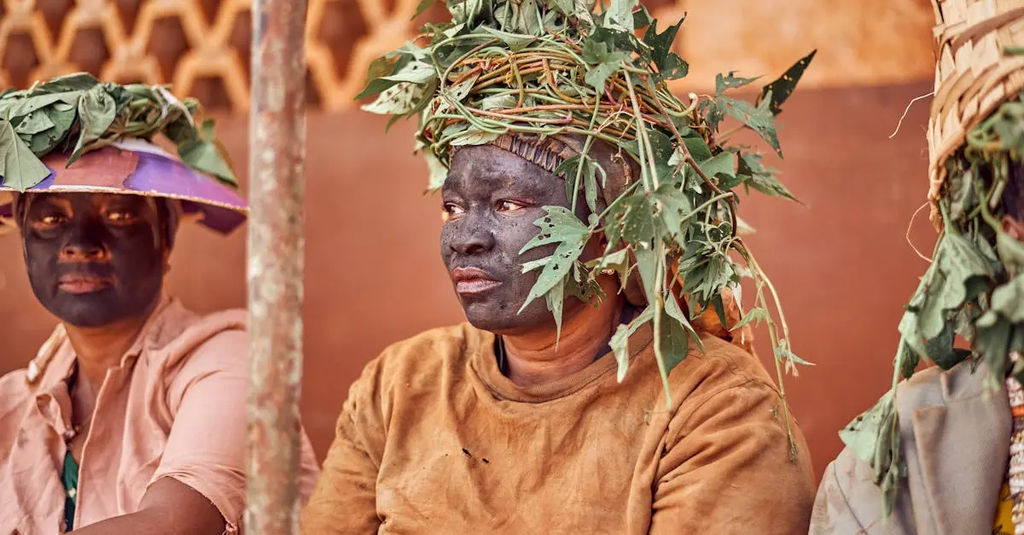
Cultural anthropology is the study of human societies, cultures, and their development. It explores how people live, communicate, and interact within diverse cultural settings. By examining traditions, beliefs, rituals, and social structures, cultural anthropology highlights the vast range of human diversity. This field fosters understanding and appreciation of differences among communities, helping to bridge cultural gaps and promote respect for various ways of life across the globe.
Cultural Anthropology and Human Diversity
Cultural anthropology is the study of human societies, cultures, and their development. It explores how people live, communicate, and interact within diverse cultural settings. By examining traditions, beliefs, rituals, and social structures, cultural anthropology highlights the vast range of human diversity. This field fosters understanding and appreciation of differences among communities, helping to bridge cultural gaps and promote respect for various ways of life across the globe.
💡 Key Takeaways
- Understand what culture means and how it shapes daily life in different communities.
- Explore how traditions, beliefs, rituals, and social roles vary around the world.
- See how people communicate and interact within different cultural settings.
- Appreciate human diversity and learn respectful ways to engage with people who are different from you.
❓ Frequently Asked Questions
What is cultural anthropology?
The study of how people live, think, and organize their communities in different cultures, and how cultures develop and change over time.
What kinds of things do cultural anthropologists study?
Traditions, beliefs, rituals, language, family and community life, and how people interact within their societies.
Why is cultural diversity important to learn about?
It helps us understand others, reduces stereotypes, and shows that different ways of living can be valuable.
How do people communicate across cultures?
Through language, gestures, body language, symbols, music, and shared customs—often in unique ways in different cultures.
How can cultures change over time?
Through contact with other groups, technology, migration, and new ideas, while some traditions endure.