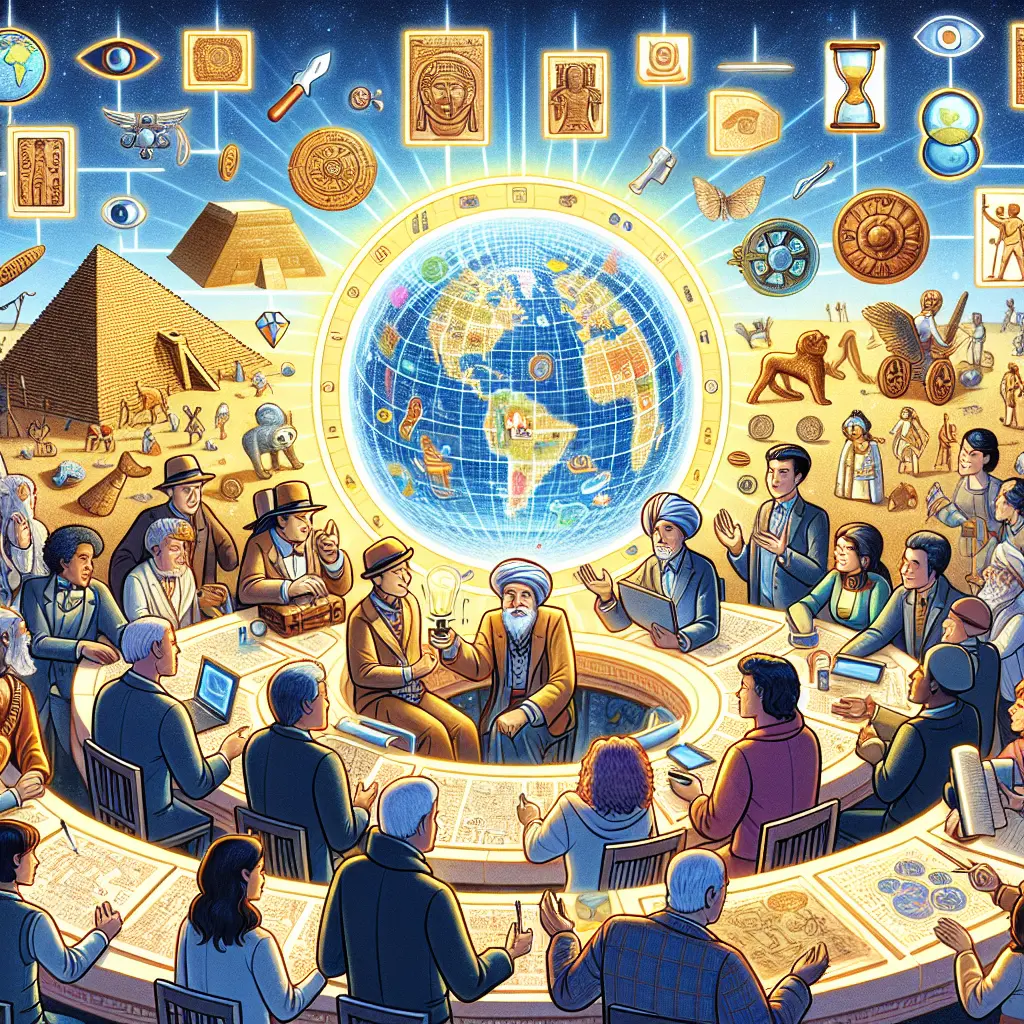
Cultural Geography: Close Reading, Source Analysis & Evidence refers to the careful examination of texts, images, or landscapes to understand how culture shapes and is shaped by geographic spaces. This approach emphasizes detailed interpretation (close reading), critical evaluation of various sources (source analysis), and the use of concrete data or examples (evidence) to draw conclusions about the relationships between people, place, and cultural practices.
Cultural Geography: Close Reading, Source Analysis & Evidence
Cultural Geography: Close Reading, Source Analysis & Evidence refers to the careful examination of texts, images, or landscapes to understand how culture shapes and is shaped by geographic spaces. This approach emphasizes detailed interpretation (close reading), critical evaluation of various sources (source analysis), and the use of concrete data or examples (evidence) to draw conclusions about the relationships between people, place, and cultural practices.

💡 Key Takeaways
- Interpret how texts, images, and landscapes reveal cultural meanings tied to place.
- Apply close reading to identify values, norms, and power dynamics in geographic contexts.
- Evaluate sources for bias, perspective, and credibility to support evidence-based conclusions about culture and space.
- Connect culture and space by tracing diffusion, migration, and place-making processes.
❓ Frequently Asked Questions
What is Cultural Geography?
Cultural geography studies how culture—beliefs, practices, languages, and traditions—interacts with geographic spaces, shaping and being shaped by places, landscapes, and flows of people.
What does 'close reading' mean in this context?
Close reading means carefully interpreting texts, images, or landscapes to uncover meanings, assumptions, and evidence about how culture and space influence each other.
What counts as a source in this approach?
Sources include texts (articles, maps, histories), visuals (photos, artworks), and landscapes or built environments; each should be evaluated for credibility, perspective, and relevance.
How should we evaluate evidence and draw conclusions?
We compare multiple sources, assess bias and context, identify patterns across spaces, and base conclusions on clearly cited evidence about cultural-geographic relationships.