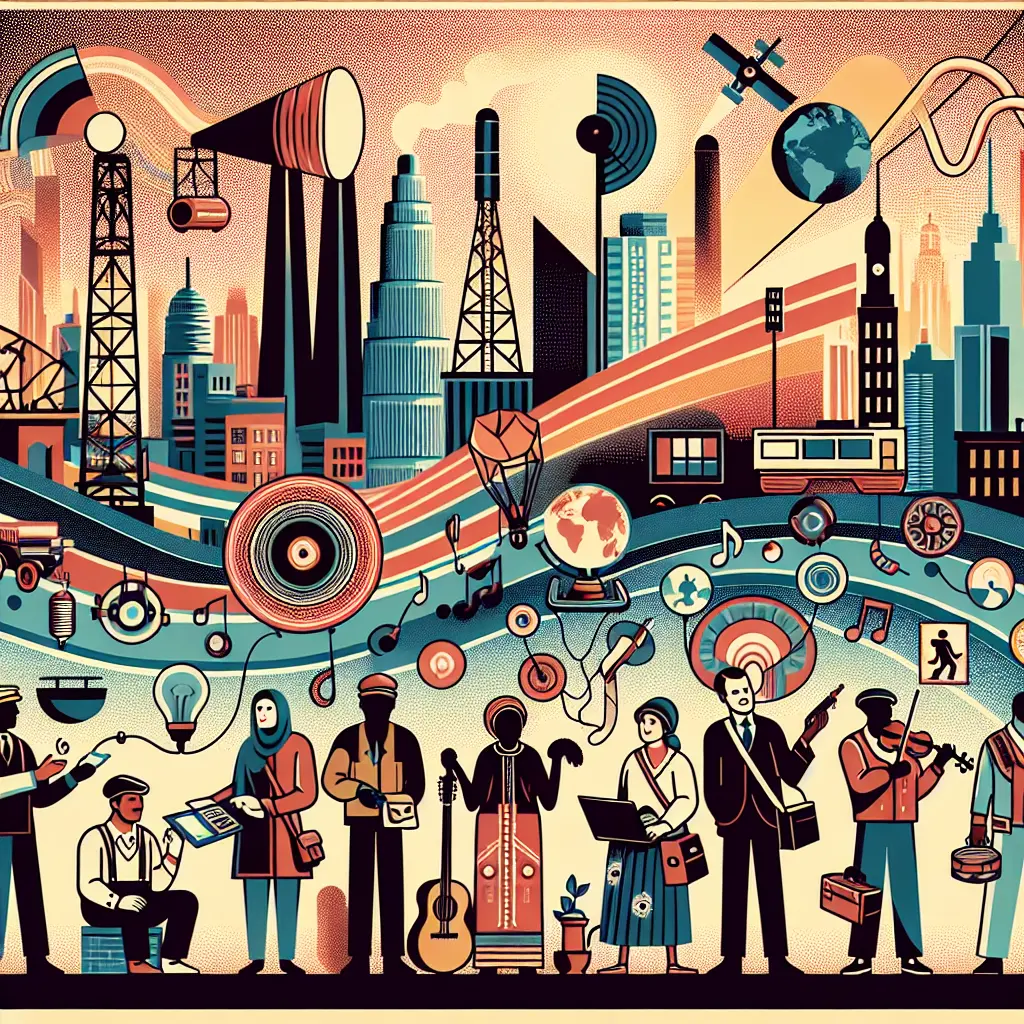
Cultural Geography explores how cultures shape and are shaped by spaces and places. Key research topics include cultural landscapes, identity, migration, language, religion, and globalization’s impacts. Debates focus on issues like cultural homogenization versus diversity, the politics of place, and power relations in spatial practices. Current frontiers involve digital geographies, postcolonial perspectives, environmental justice, and the effects of technology on cultural interactions and representations of space.
Cultural Geography: Research Topics, Debates & Frontiers
Cultural Geography explores how cultures shape and are shaped by spaces and places. Key research topics include cultural landscapes, identity, migration, language, religion, and globalization’s impacts. Debates focus on issues like cultural homogenization versus diversity, the politics of place, and power relations in spatial practices. Current frontiers involve digital geographies, postcolonial perspectives, environmental justice, and the effects of technology on cultural interactions and representations of space.
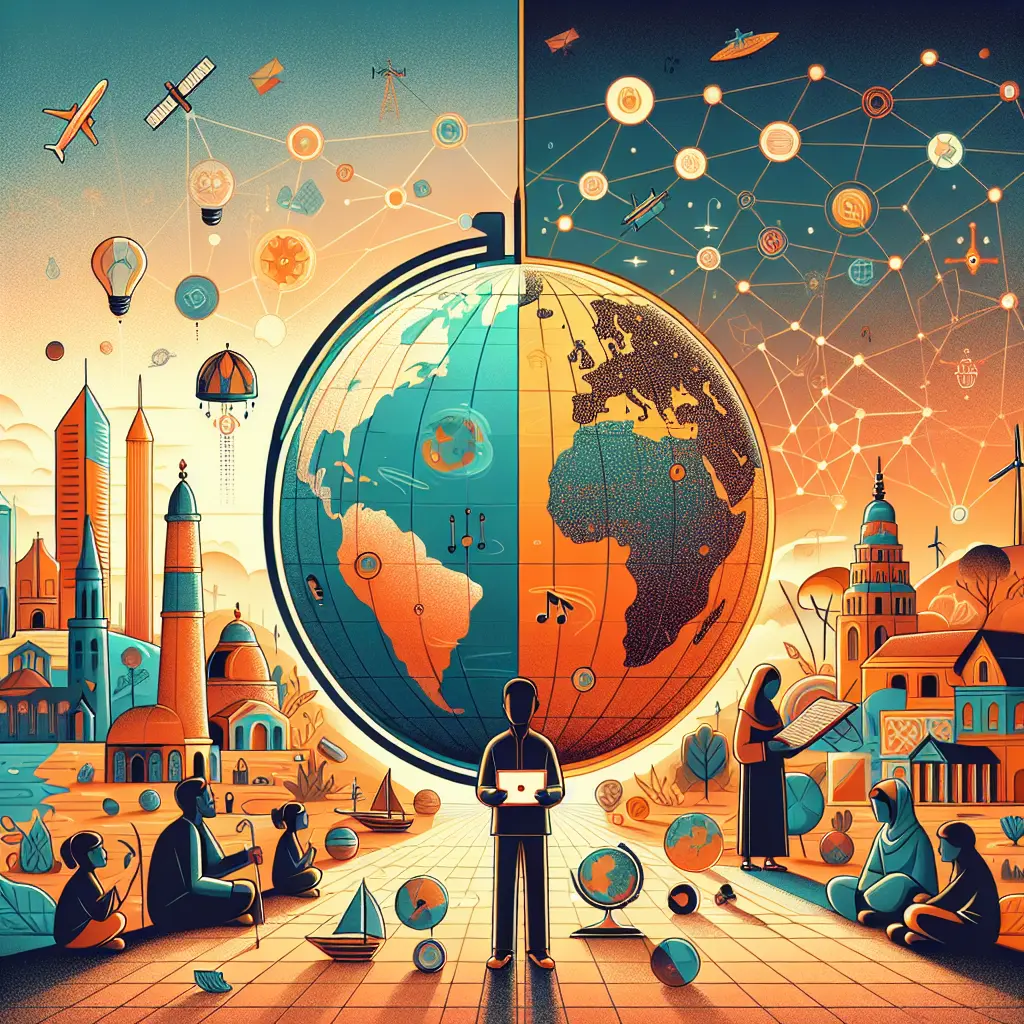
💡 Key Takeaways
- How cultural landscapes reveal the relationship between people, culture, and space.
- How migration, language, and religion shape identity and spatial patterns across places.
- How globalization can drive cultural homogenization or foster diversity.
- How the politics of place influences policy, representation, and urban development.
❓ Frequently Asked Questions
What is cultural geography?
Cultural geography studies how cultures shape spaces and how spaces shape cultures, examining topics such as landscapes, identity, migration, language, religion, and globalization’s impacts.
What are cultural landscapes?
Cultural landscapes are built and natural environments modified by people to reflect practices, values, and history, revealing how communities relate to place.
How do migration and language influence identity and space?
Migration brings new practices and languages, creating layered identities and changing the character of places as communities blend and adapt.
What is the debate about globalization’s impact on culture?
Scholars ask whether globalization leads to cultural homogenization (loss of uniqueness) or strengthens diversity by spreading ideas while preserving local difference.
What is the politics of place in cultural geography?
It examines how power, governance, and representation shape who can access, control, and claim spaces, including heritage, names, and boundaries.