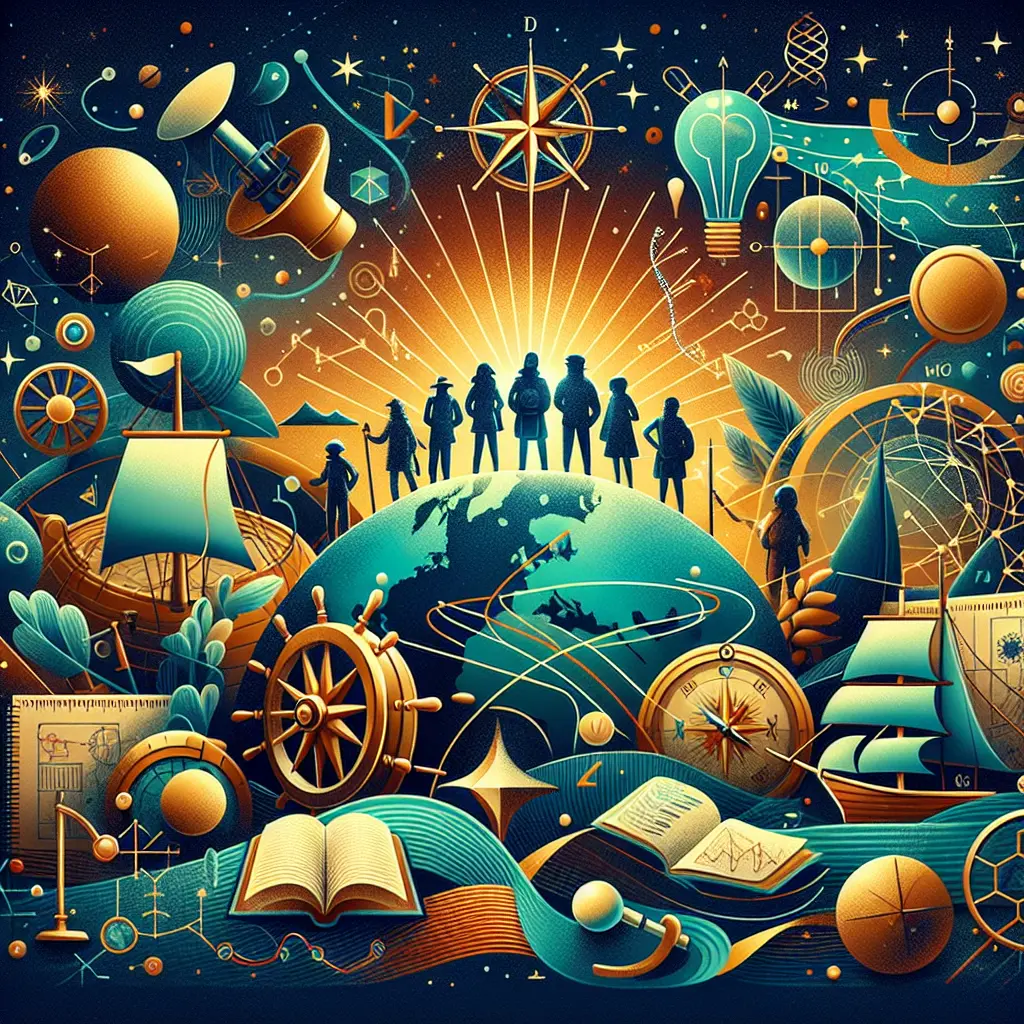
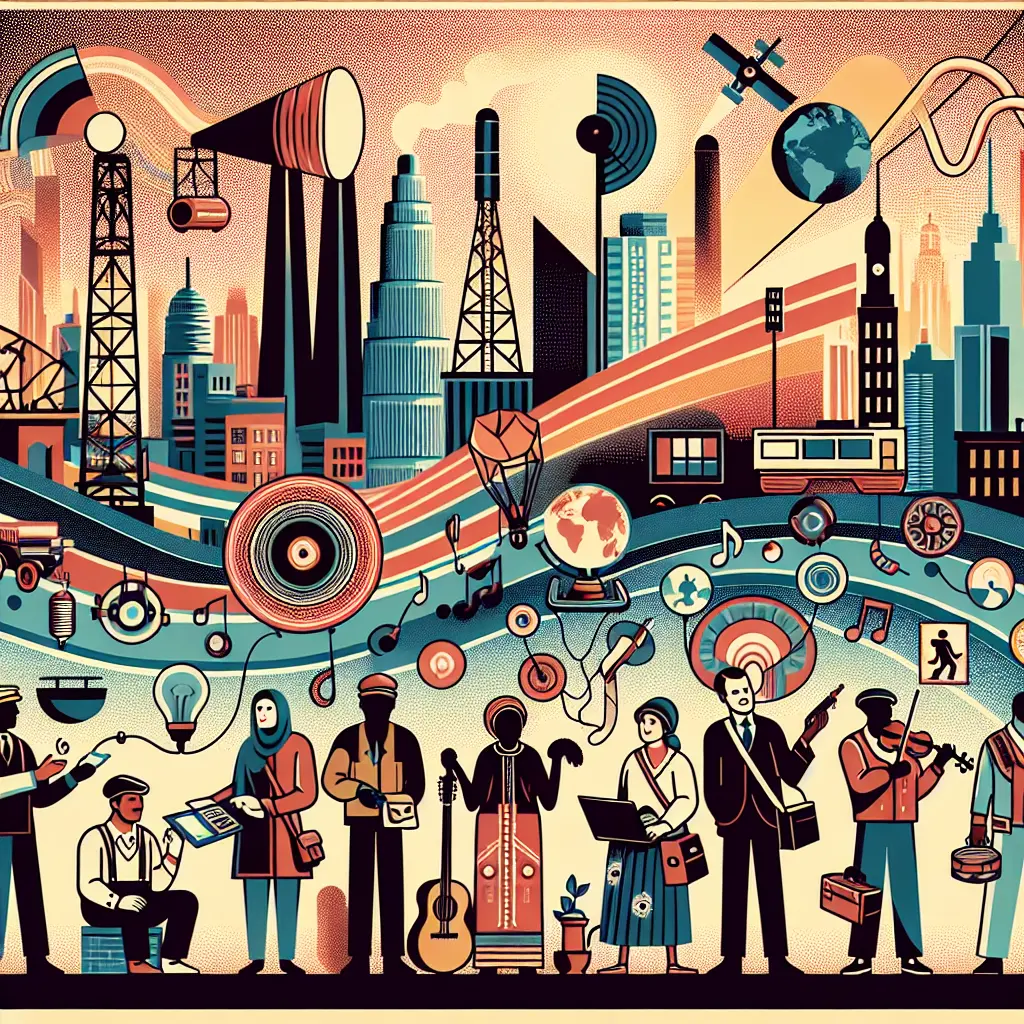
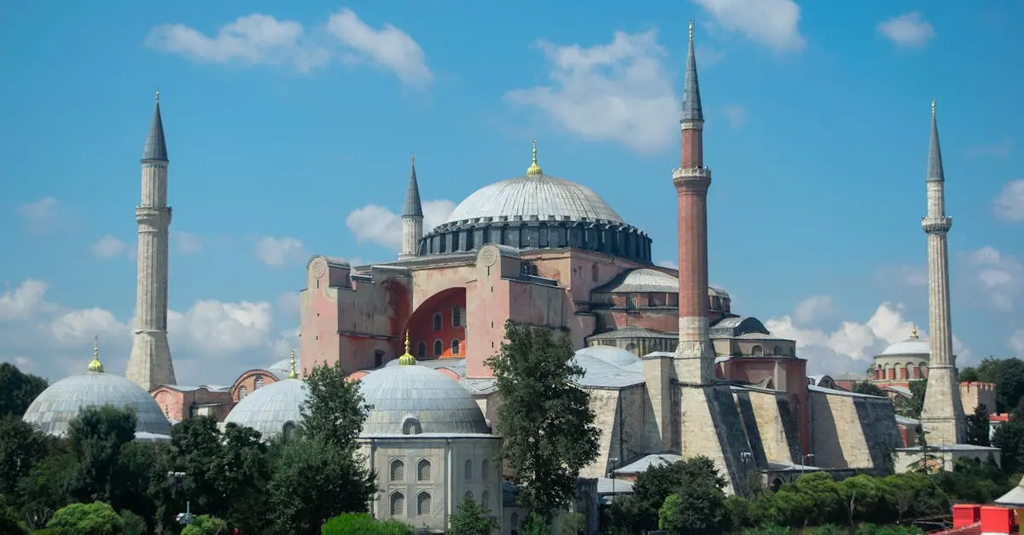
Cultural geography explores how cultural practices, beliefs, and artifacts shape and are shaped by geographic spaces. It examines the spatial distribution of cultures, the ways people interact with their environments, and how cultural landscapes are formed. Core concepts include cultural diffusion, cultural regions, identity, place, globalization, and the relationship between culture and the physical environment. Cultural geography helps us understand the diversity and complexity of human societies across the world.
Cultural Geography: Summaries & Core Concepts
Cultural geography explores how cultural practices, beliefs, and artifacts shape and are shaped by geographic spaces. It examines the spatial distribution of cultures, the ways people interact with their environments, and how cultural landscapes are formed. Core concepts include cultural diffusion, cultural regions, identity, place, globalization, and the relationship between culture and the physical environment. Cultural geography helps us understand the diversity and complexity of human societies across the world.
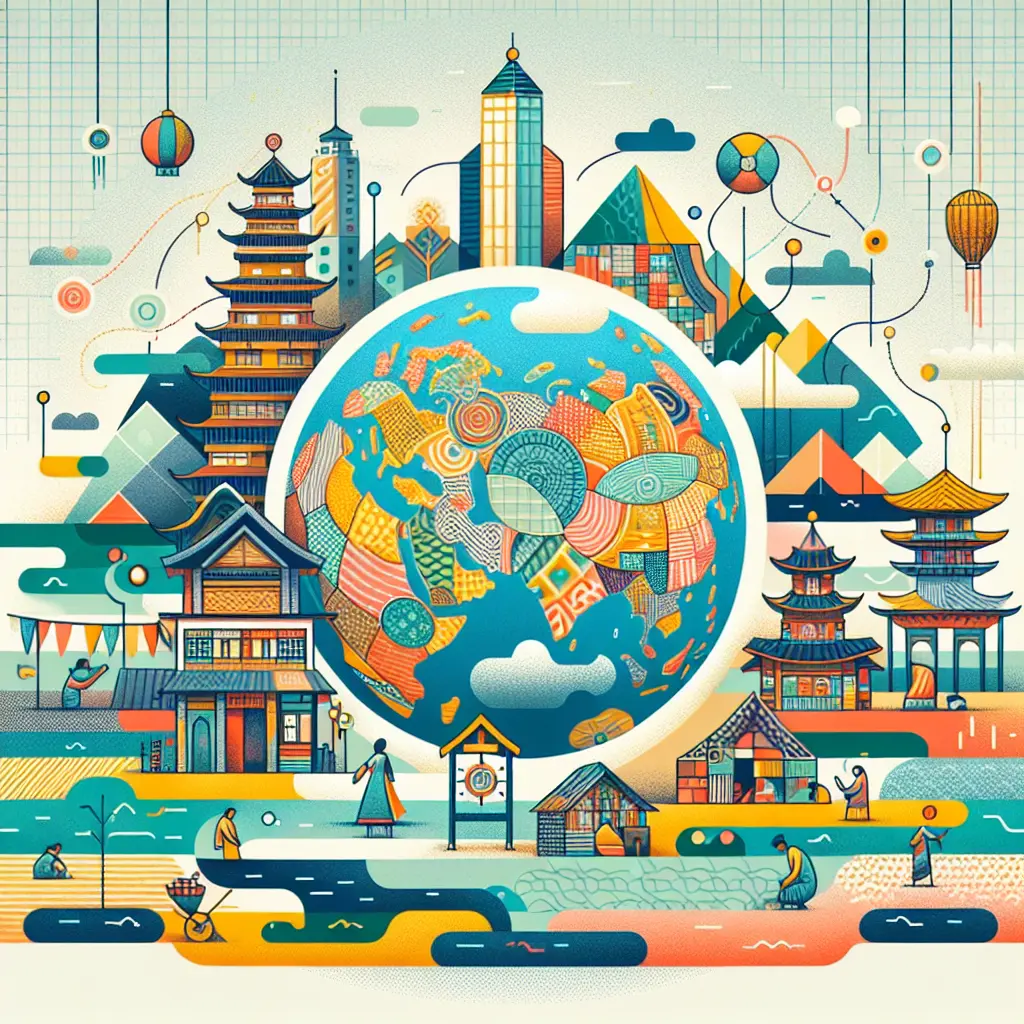
💡 Key Takeaways
- Describe how cultural practices, beliefs, and artifacts interact with geographic spaces.
- Explain cultural diffusion and how ideas and customs spread across regions.
- Identify patterns in the geographic distribution of cultures and the resulting cultural landscapes.
- Analyze how human-environment interactions shape cultural landscapes over time.
❓ Frequently Asked Questions
What is cultural geography?
The study of how cultural practices, beliefs, and artifacts interact with geographic space, shaping and being shaped by places and landscapes.
What is cultural diffusion?
The spread of cultural traits—such as ideas, technologies, languages, and customs—across space through contact and exchange.
What is a cultural landscape?
The visible imprint of a culture on the environment, including buildings, infrastructure, land use, and other features that reflect values and history.
How do cultures interact with their environment?
People adapt to and modify their surroundings using technology and practices, creating a reciprocal relationship between culture and space.