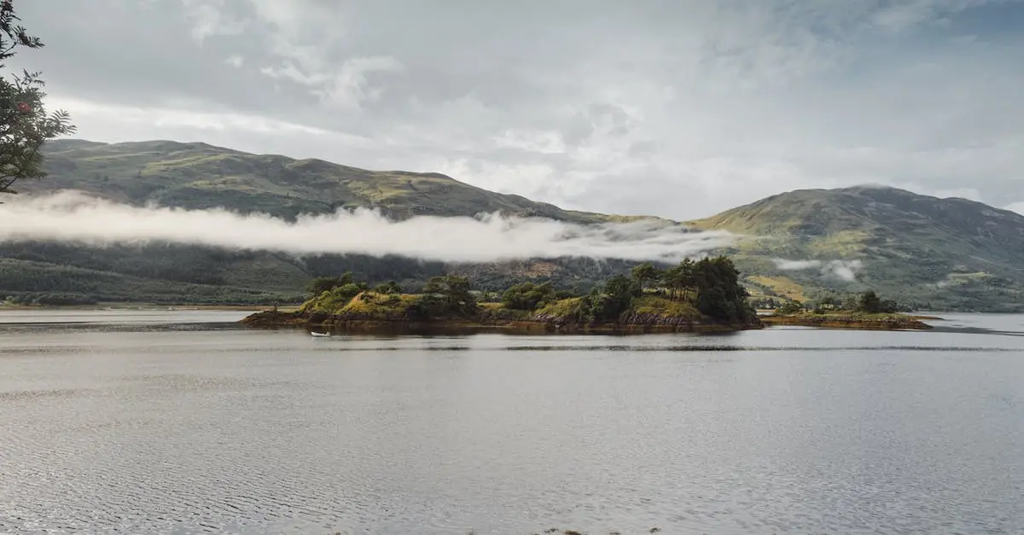
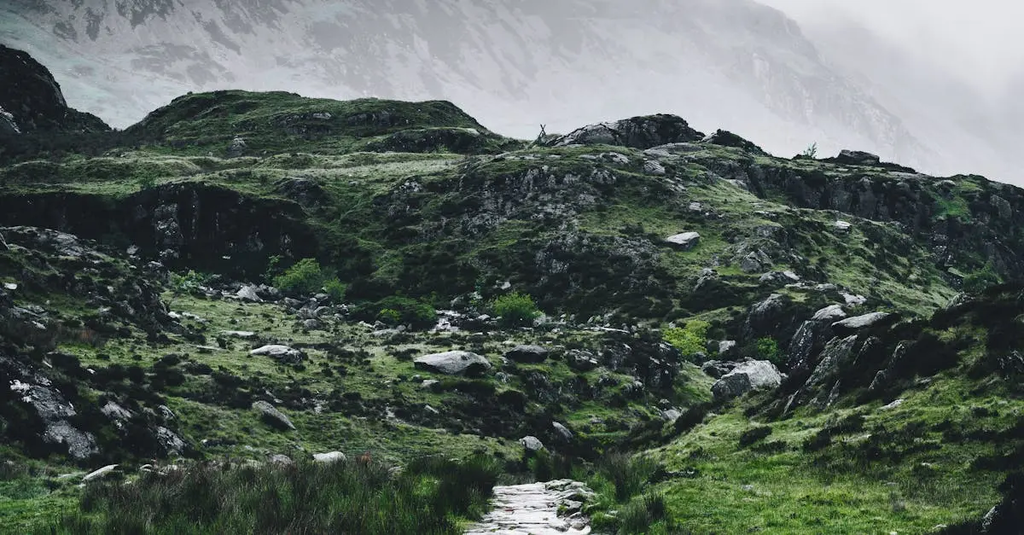
Cultural landscapes and regional identities in the UK reflect the diverse history, traditions, and physical environments found across England, Scotland, Wales, and Northern Ireland. Each region boasts distinct architecture, dialects, customs, and festivals shaped by centuries of migration, industry, and local heritage. From the rugged Highlands to bustling urban centers, these unique landscapes foster strong senses of belonging and pride, influencing how communities perceive themselves and interact with the wider world.
Cultural landscapes and regional identities in the UK
Cultural landscapes and regional identities in the UK reflect the diverse history, traditions, and physical environments found across England, Scotland, Wales, and Northern Ireland. Each region boasts distinct architecture, dialects, customs, and festivals shaped by centuries of migration, industry, and local heritage. From the rugged Highlands to bustling urban centers, these unique landscapes foster strong senses of belonging and pride, influencing how communities perceive themselves and interact with the wider world.

💡 Key Takeaways
- Explore how physical landscapes across England, Scotland, Wales, and Northern Ireland shape regional cultures and everyday life.
- Identify distinctive architecture and townscapes that signal local history and identity in each country.
- Understand how language, dialects, and place-names contribute to regional identity amid migration and industry.
- Recognise regional festivals, traditions, music, and cuisine that reflect long-standing cultural exchange and local pride.
- Analyze how historical forces like industrialisation, maritime trade, and politics created lasting cultural landscapes in the UK.
❓ Frequently Asked Questions
What is a cultural landscape?
A landscape shaped by long-term human activity—buildings, fields, roads, and land-use patterns that reflect history, culture, and local ways of life in the UK.
What features typically signal distinct regional identities in the UK?
Architecture, local dialects and accents, traditional crafts, festivals, and the dominant industries or land use that have shaped an area (e.g., mining towns, coastal fisheries, farming regions).
How have migration and industry influenced the UK's regional landscapes?
Migration brought new cultures and languages, while industrial activity created towns, docks, mills, and rail networks that leave a visible mark on the land and communities.
What clues can help you identify a UK region in a quiz question?
Look for mentions of architectural styles (stone cottages, brick terraces), language/dialect hints, place names, local festivals, and references to industries (coal, shipbuilding, agriculture) associated with a region.