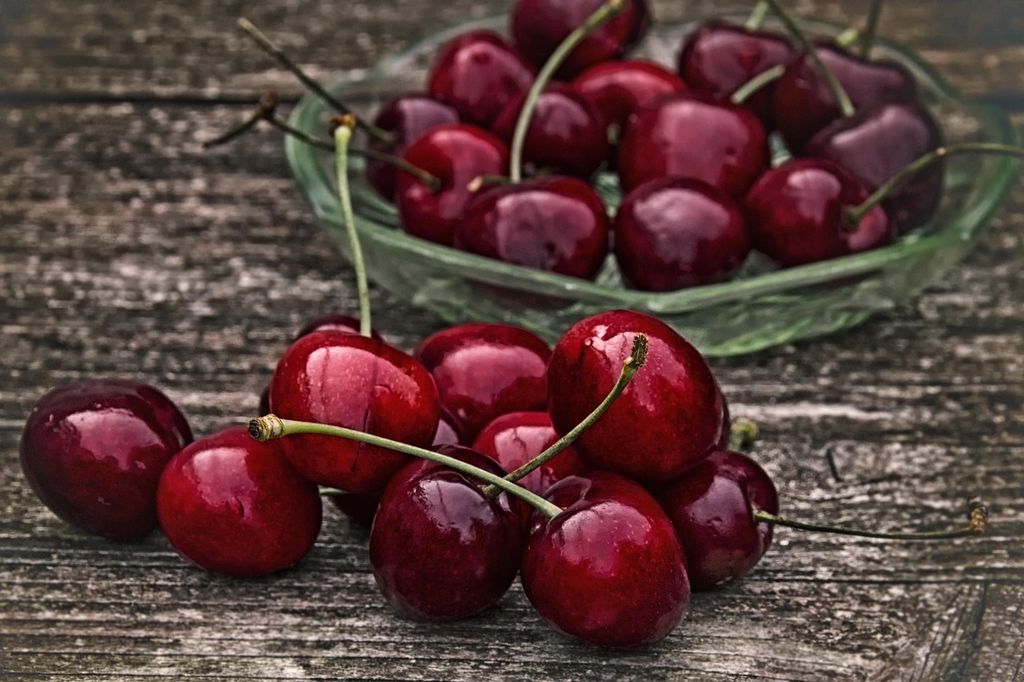
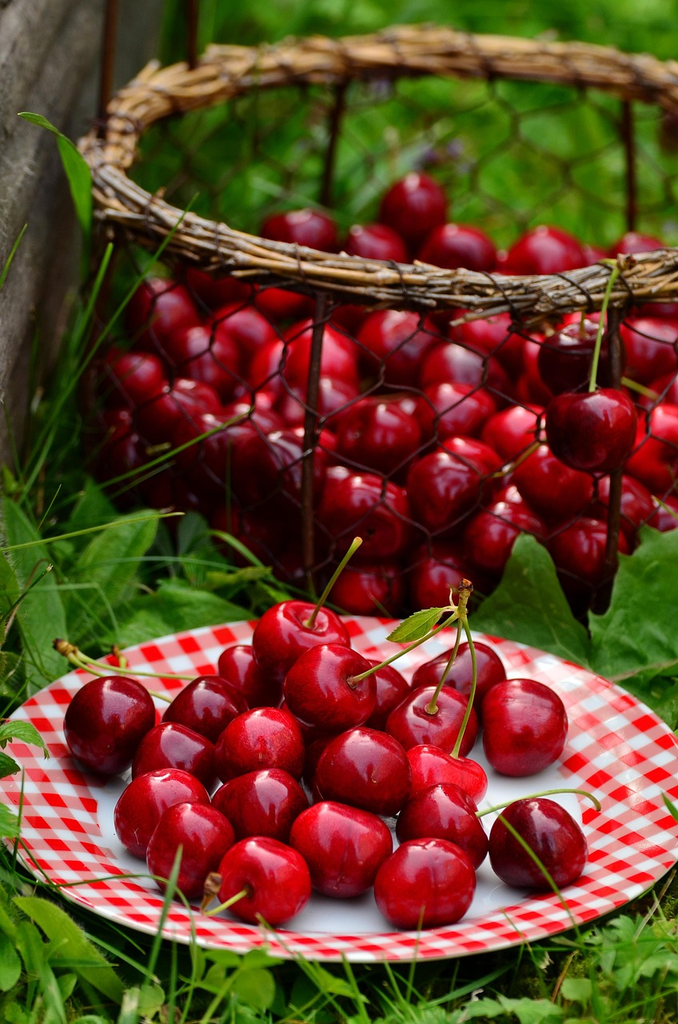
Cherries hold rich cultural significance across various societies, symbolizing beauty, renewal, and the fleeting nature of life, especially in Eastern traditions like Japanese cherry blossom festivals. In Western cultures, cherries often represent innocence, desire, and abundance. Their vibrant color and sweet flavor have inspired art, literature, and celebrations, making cherries not just a delicious fruit but also a meaningful emblem in cultural rituals, myths, and seasonal festivities worldwide.
Cultural Significance of Cherries
Cherries hold rich cultural significance across various societies, symbolizing beauty, renewal, and the fleeting nature of life, especially in Eastern traditions like Japanese cherry blossom festivals. In Western cultures, cherries often represent innocence, desire, and abundance. Their vibrant color and sweet flavor have inspired art, literature, and celebrations, making cherries not just a delicious fruit but also a meaningful emblem in cultural rituals, myths, and seasonal festivities worldwide.
💡 Key Takeaways
- Understand the cultural symbolism of cherries across regions (e.g., Japan’s sakura and European associations with love and renewal).
- Trace how cherry cultivation and trade spread and influenced local cuisines and traditions.
- Explore cherries’ roles in festivals, art, and literature throughout history.
- Recognize the impact of cherries on modern culture, cuisine, tourism, and regional identity.
❓ Frequently Asked Questions
What do cherries symbolize in different cultural contexts?
Cherries often symbolize sweetness, abundance, and the briefness of life; many cultures link them to renewal, fertility, and savoring the moment.
How is the cherry blossom related to Japanese culture and celebrations?
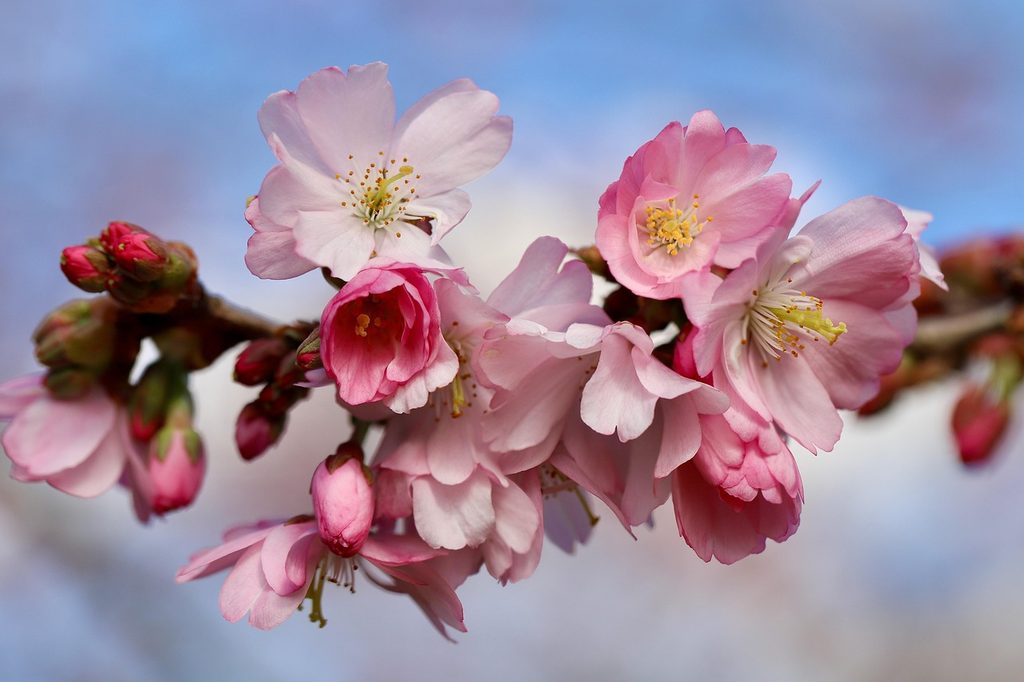
Cherry blossoms (sakura) symbolize beauty and impermanence; hanami is the seasonal festival of viewing blossoms, reflecting on life's transience.
In which regions are cherries particularly significant in cuisine and traditional rituals?
Cherries are central in Turkish and Central European cooking—used in desserts, jams, and drinks; sour cherries are common for pastries, and cherry liqueurs are popular.
Which famous dishes or art are associated with cherries?
Cherries feature in iconic desserts such as Cherries Jubilee and Black Forest cake, and they appear as motifs in folk art and literature symbolizing sweetness and fleeting beauty.