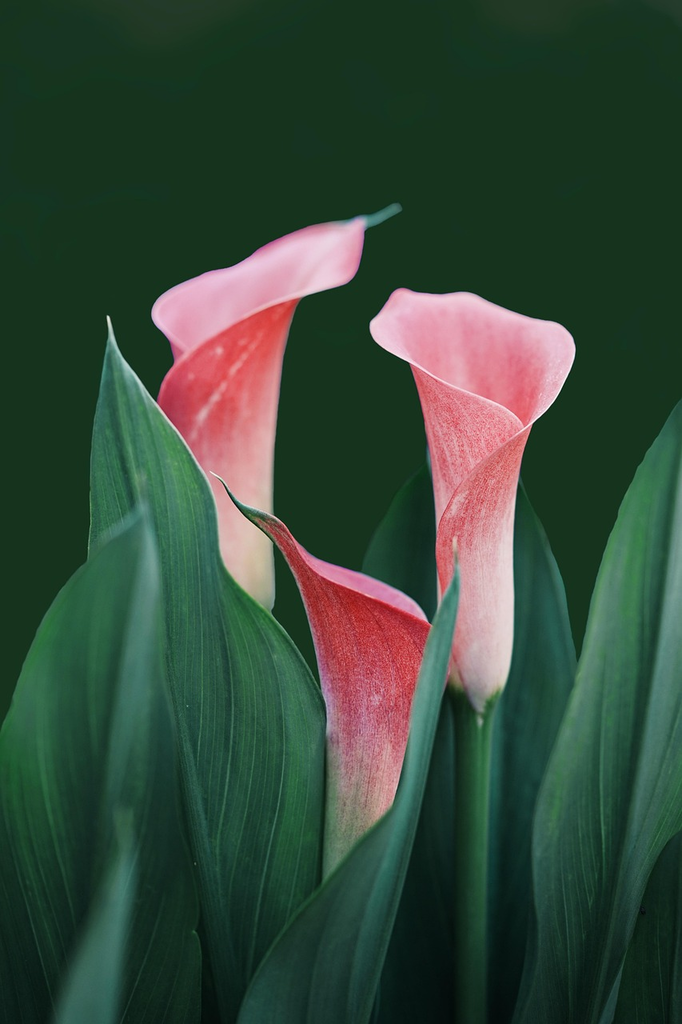
Mother's Day flowers hold deep cultural significance as symbols of love, gratitude, and appreciation for mothers and maternal figures. Traditionally, flowers like carnations, roses, and lilies are given to honor the nurturing and selfless role of mothers. These blooms convey heartfelt emotions, strengthen familial bonds, and serve as a universal gesture of respect and celebration. The act of gifting flowers on Mother's Day transcends cultures, reflecting shared values of care and reverence for motherhood.
Cultural Significance of Mother's Day Flowers
Mother's Day flowers hold deep cultural significance as symbols of love, gratitude, and appreciation for mothers and maternal figures. Traditionally, flowers like carnations, roses, and lilies are given to honor the nurturing and selfless role of mothers. These blooms convey heartfelt emotions, strengthen familial bonds, and serve as a universal gesture of respect and celebration. The act of gifting flowers on Mother's Day transcends cultures, reflecting shared values of care and reverence for motherhood.
💡 Key Takeaways
- Understand how Mother's Day flowers symbolize love, gratitude, and maternal appreciation across cultures.
- Identify traditional flowers used for Mother's Day (e.g., carnations) and their meanings in various countries.
- Compare regional variations in gifting practices and floral symbolism around Mother's Day.
- Reflect on how individual choices in flower arrangements convey messages and personal connections.
❓ Frequently Asked Questions
What is the origin of giving flowers for Mother's Day?
The modern Mother’s Day tradition in the U.S. was popularized in the early 20th century by Anna Jarvis, who chose carnations as the emblem; red or pink carnations honor living mothers and white carnations remember mothers who have died.
Which flower is most closely associated with Mother's Day?
Carnations are the most commonly associated flower, symbolizing maternal love and gratitude.
How do cultural traditions influence which flowers are given on Mother's Day?
Different countries favor different flowers and meanings. While carnations are widespread, roses, lilies, and tulips are also used to convey love, gratitude, or remembrance, with colors adding nuance.
What do white versus red/pink carnations symbolize on Mother's Day?
White carnations honor mothers who have died, while red or pink carnations celebrate living mothers.
What are some other popular Mother's Day flowers and their common meanings?
Roses (red = love, pink = gratitude), lilies (admiration or devotion), and other flowers are often given to express affection, appreciation, or remembrance depending on the sentiment.