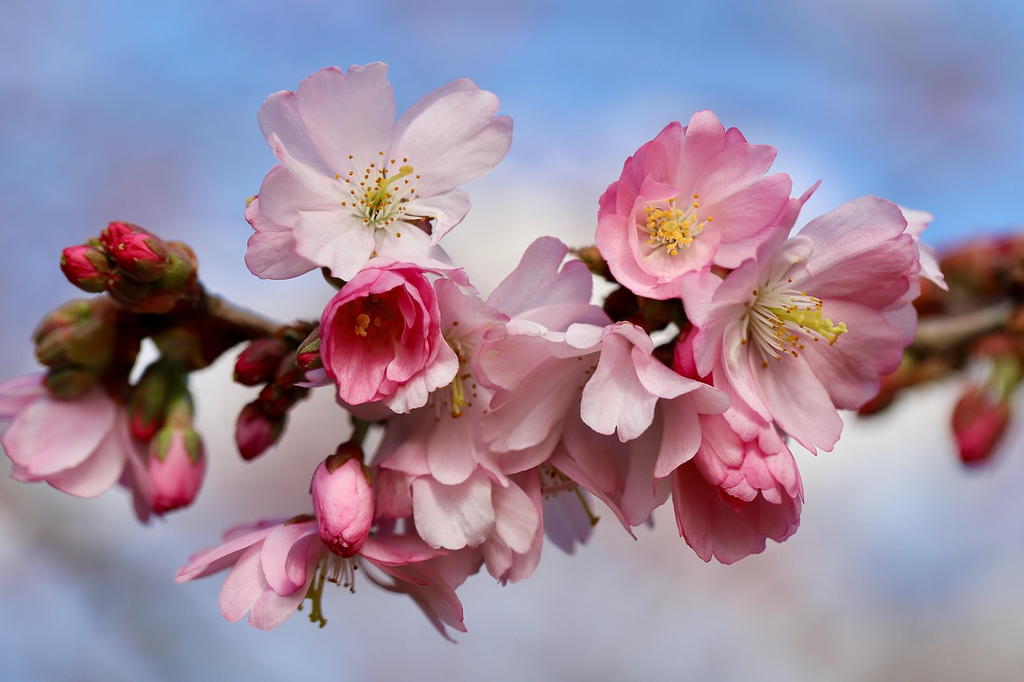
Oranges hold deep cultural significance worldwide, symbolizing prosperity, good fortune, and vitality, especially in Asian traditions where they are exchanged during Lunar New Year celebrations. Their vibrant color and refreshing taste represent health and happiness. In Mediterranean cultures, oranges are linked to hospitality and abundance. Alongside cherries, which often symbolize renewal and beauty, oranges play a vital role in rituals, festivals, and culinary traditions, reflecting their enduring value across diverse societies.
Cultural Significance of Oranges
Oranges hold deep cultural significance worldwide, symbolizing prosperity, good fortune, and vitality, especially in Asian traditions where they are exchanged during Lunar New Year celebrations. Their vibrant color and refreshing taste represent health and happiness. In Mediterranean cultures, oranges are linked to hospitality and abundance. Alongside cherries, which often symbolize renewal and beauty, oranges play a vital role in rituals, festivals, and culinary traditions, reflecting their enduring value across diverse societies.
💡 Key Takeaways
- Understand how oranges symbolize luck, prosperity, and happiness in cultural celebrations worldwide.
- Learn how citrus trade spread oranges and influenced cuisines and economies.
- Explore oranges in religion, festivals, folklore, and art as a cultural motif.
- See how orange color and citrus scent appear in design, fashion, and media across cultures.
- Identify regional orange varieties and harvest traditions that reflect local customs.
❓ Frequently Asked Questions
What does the orange symbolize in many cultures?
Oranges are widely seen as symbols of luck, prosperity, and abundance; in East Asia, mandarin oranges are especially associated with good fortune during Lunar New Year.
How are oranges used in traditional celebrations and as gifts?
Oranges are exchanged or displayed as blessings of wealth and happiness, such as mandarin orange baskets for Chinese New Year, and orange blossoms are used in weddings to signify purity and fertility.
Where did oranges originate and how did they spread culturally?
Sweet oranges originated in Southeast Asia and spread to the Mediterranean and Europe via trade routes; over time they became staples in many cuisines and agricultural practices around the world.
What role do oranges play in cuisine, art, or language?
Orange zest and juice flavor many dishes and desserts; the fruit and its color have inspired art, design, and language as symbols of warmth, vitality, and hospitality.