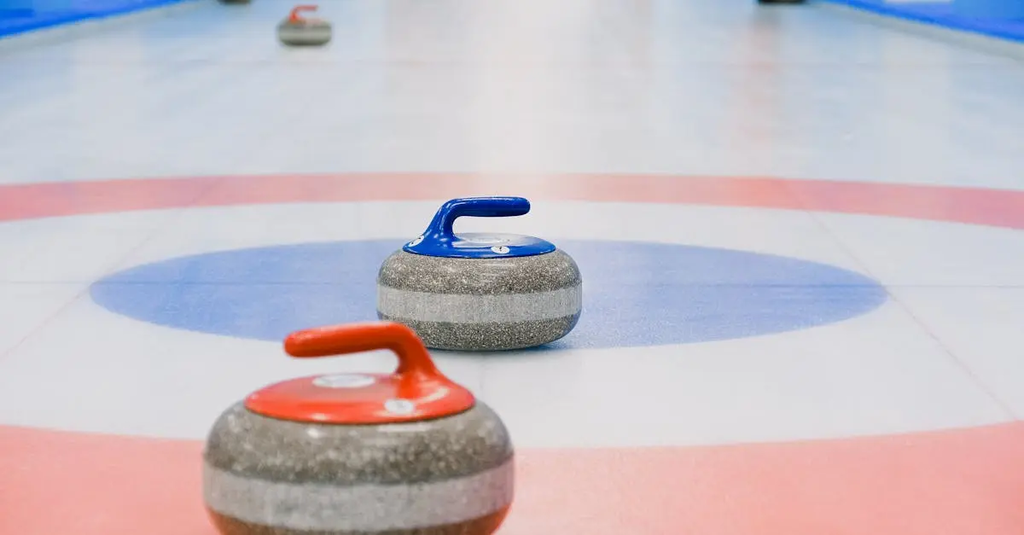
Curling, biathlon, and lesser-known winter sports showcase the diversity of athletic competition in cold climates. Curling involves sliding stones on ice toward a target, emphasizing strategy and teamwork. Biathlon combines cross-country skiing with rifle shooting, testing endurance and precision. Lesser-known winter sports, such as skeleton, luge, and bandy, offer unique challenges and excitement, often highlighting specialized skills and attracting dedicated athletes and fans beyond mainstream winter events like skiing or ice hockey.
Curling, Biathlon, and Lesser-Known Winter Sports
Curling, biathlon, and lesser-known winter sports showcase the diversity of athletic competition in cold climates. Curling involves sliding stones on ice toward a target, emphasizing strategy and teamwork. Biathlon combines cross-country skiing with rifle shooting, testing endurance and precision. Lesser-known winter sports, such as skeleton, luge, and bandy, offer unique challenges and excitement, often highlighting specialized skills and attracting dedicated athletes and fans beyond mainstream winter events like skiing or ice hockey.
💡 Key Takeaways
- Understand curling basics: stone sliding, the target (the house), and how strategy and teamwork drive outcomes.
- Explain how biathlon combines endurance (cross-country skiing) with precision (rifle shooting) and the transition between high and low intensity.
- Identify at least two lesser-known winter sports and summarize what makes each one distinct.
- Recognize how cold-climate culture and venues shape the training, equipment, and competition style in diverse winter sports.
❓ Frequently Asked Questions
What is curling?
Curling is a team ice sport where players slide granite stones toward a target called the house, using sweeping to influence the stone’s speed and direction.
How is curling scored in an end?
After all stones are played in an end, the team with the stone closest to the center scores one point for each of its stones that are nearer than the opponent’s closest stone.
What is biathlon?
Biathlon combines cross-country skiing with rifle shooting; athletes ski between shooting bouts and must hit targets, with misses adding penalties that slow progress.
What is ski orienteering (a lesser-known winter sport)?
Ski orienteering blends cross-country skiing with navigation — competitors use a map to find checkpoints on a course as quickly as possible.