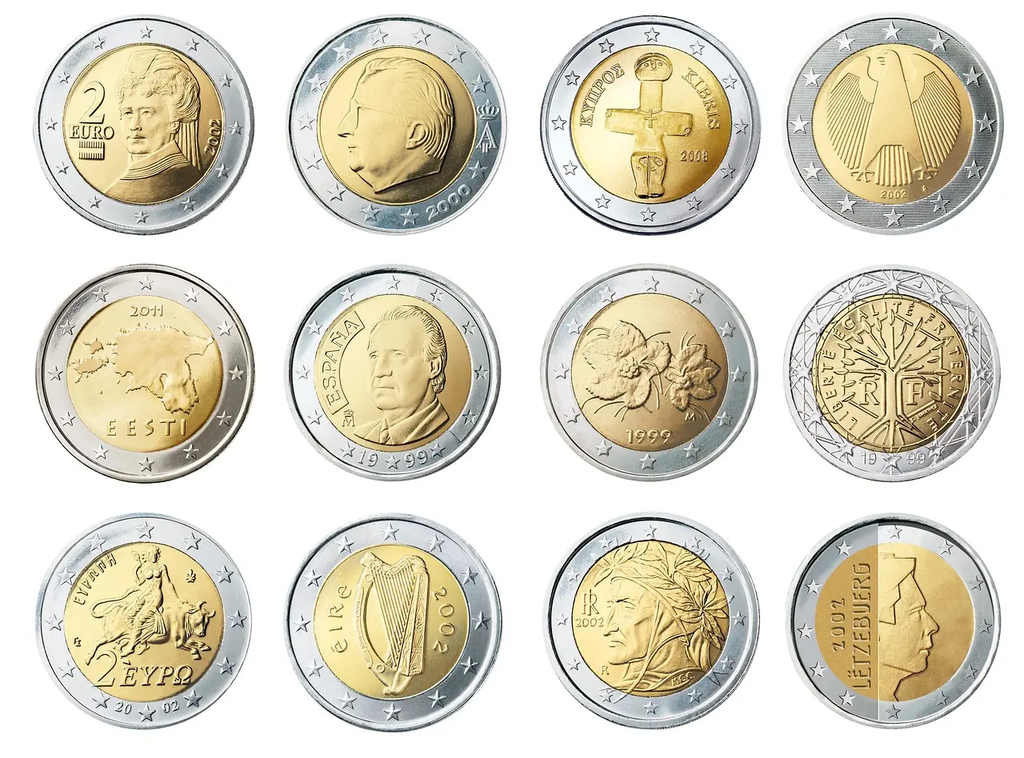
Currency and money around the world refer to the various forms of legal tender used by different countries for trade and economic transactions. Each nation typically has its own unique currency, such as the US dollar, Euro, Japanese yen, or Indian rupee, often featuring distinctive symbols, designs, and denominations. These currencies facilitate commerce, represent economic value, and reflect cultural and historical aspects of their respective countries.
Currency and Money Around the World+50
Currency and money around the world refer to the various forms of legal tender used by different countries for trade and economic transactions. Each nation typically has its own unique currency, such as the US dollar, Euro, Japanese yen, or Indian rupee, often featuring distinctive symbols, designs, and denominations. These currencies facilitate commerce, represent economic value, and reflect cultural and historical aspects of their respective countries.
💡 Key Takeaways
- Identify common world currencies and their symbols (US dollar $, euro €, Japanese yen ¥, Indian rupee ₹) so you can recognize money from different countries.
- Understand how exchange rates affect purchasing power, travel budgeting, and international trade.
- Explain the role of central banks and governments in issuing money and maintaining currency stability.
- Recognize basic security features and design elements of banknotes and coins that help prevent counterfeiting.
❓ Frequently Asked Questions
What is currency and how is it used?
Currency is the money a country uses for buying and selling goods and services. It can be physical (coins and banknotes) or digital; money is the broader concept that includes other assets used as a store of value.
What does legal tender mean?
Legal tender is the money a government requires as acceptable payment for debts within its borders; sellers must generally accept it for transactions.
What is an exchange rate?
An exchange rate shows how much of one currency is worth in another. It fluctuates with markets, influencing trade, travel, and prices of imported goods.
Why do currencies have symbols and distinctive designs?
Symbols help people recognize the currency quickly, while the designs reflect national identity and include security features to deter counterfeiting.