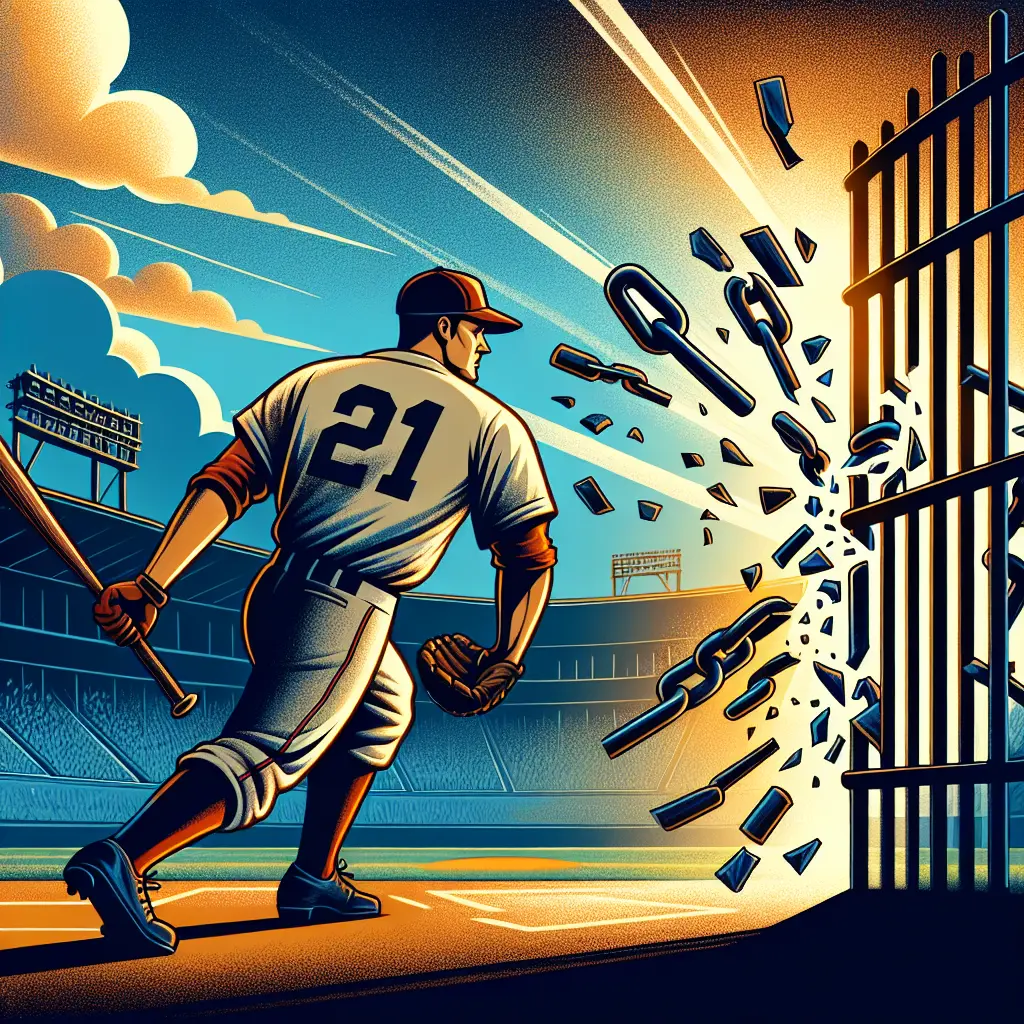
Curt Flood was a Major League Baseball player who challenged the reserve clause, a rule that bound players to their teams indefinitely. In 1969, Flood refused a trade and sued MLB, arguing the clause violated his rights. Although he lost in the Supreme Court, his courageous stand paved the way for free agency, fundamentally changing professional sports by granting players greater freedom and control over their careers.
Curt Flood and the fight against the reserve clause
Curt Flood was a Major League Baseball player who challenged the reserve clause, a rule that bound players to their teams indefinitely. In 1969, Flood refused a trade and sued MLB, arguing the clause violated his rights. Although he lost in the Supreme Court, his courageous stand paved the way for free agency, fundamentally changing professional sports by granting players greater freedom and control over their careers.
💡 Key Takeaways
- Understand how the reserve clause bound players to one team for their career.
- Learn how Curt Flood's 1969 trade refusal sparked a landmark legal challenge against the clause.
- Know that Flood v. Kuhn upheld baseball's antitrust exemption and did not grant Flood relief at the time.
- Recognize how Flood's stand helped pave the way for later free agency and stronger players' rights.
❓ Frequently Asked Questions
Who was Curt Flood and what was the reserve clause?
Curt Flood was a Major League Baseball outfielder who challenged the reserve clause, a rule that bound players to their team for long periods, limiting their ability to move or negotiate freely.
What did Curt Flood do in 1969 that challenged the clause?
Flood refused a trade and filed a lawsuit against MLB, arguing the reserve clause violated his rights and his freedom to seek better opportunities.
What did the Supreme Court decide in Flood v. Kuhn?
The Supreme Court upheld the reserve clause, ruling Flood did not prove a due‑process violation; the decision reflected baseball's unique status and indicated that meaningful change would come through negotiation and arbitration.
How did Flood's stand influence baseball's future?
His courageous challenge drew attention to players' rights and helped pave the way for the emergence of modern free agency in the mid‑1970s, giving players greater freedom and bargaining power.