Custom hardware with microcontrollers and sensors refers to specialized electronic devices designed for specific tasks, integrating programmable microcontrollers with various sensors. Microcontrollers act as the device’s brain, processing data from sensors that detect physical changes such as temperature, light, or motion. This combination enables real-time monitoring, control, and automation in applications like robotics, home automation, and industrial systems, offering tailored solutions beyond standard off-the-shelf products.
Custom Hardware with Microcontrollers and Sensors
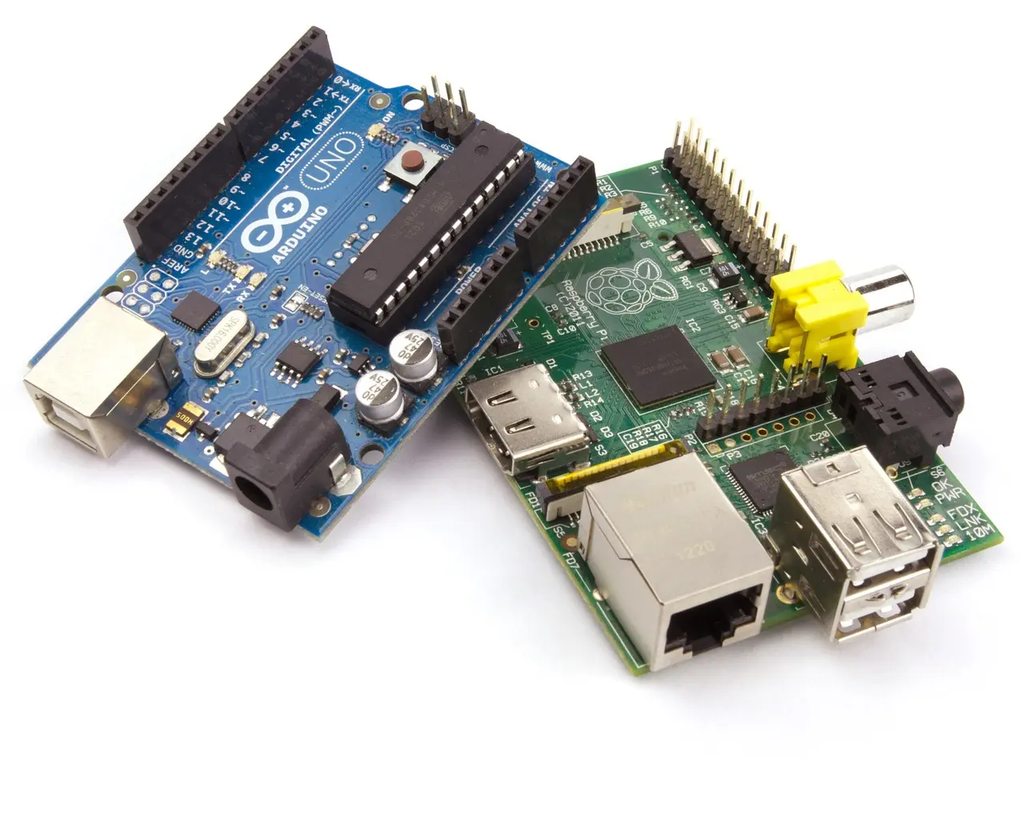
Custom hardware with microcontrollers and sensors refers to specialized electronic devices designed for specific tasks, integrating programmable microcontrollers with various sensors. Microcontrollers act as the device’s brain, processing data from sensors that detect physical changes such as temperature, light, or motion. This combination enables real-time monitoring, control, and automation in applications like robotics, home automation, and industrial systems, offering tailored solutions beyond standard off-the-shelf products.
💡 Key Takeaways
- Understand how microcontrollers function as the 'brain' of a device and process sensor data to drive actions.
- Learn how sensors convert physical changes (like temperature, light, motion) into signals that microcontrollers can read (analog/digital).
- Explore selecting and wiring common microcontrollers and sensors for home projects, including interfaces such as I2C, SPI, and analog inputs.
- Follow a practical prototyping workflow: define the task, design the hardware, assemble and program, test, and iterate, with basic safety and power considerations.
❓ Frequently Asked Questions
What is a microcontroller?
A small integrated computer on a single chip that reads sensor inputs, runs a simple program, and controls outputs like LEDs or motors.
How do sensors connect to and communicate with a microcontroller?
Sensors provide signals (analog or digital). The microcontroller reads them via input pins (using an ADC for analog signals) and software interprets the data to decide actions.
What are common sensors used in home tech projects?
Temperature/humidity, light, motion, sound/vibration, and pressure or gas sensors are commonly used to monitor or control home devices.
What is a typical workflow for a microcontroller-based hardware project?
Choose the MCU and sensors, wire the hardware, write software to read data and implement control logic, test, and iterate before final packaging.