Custom Type Design Basics involves creating unique letterforms tailored for specific projects or brands, rather than using standard fonts. This process requires understanding visual principles like balance, proportion, and readability. Designers sketch, refine, and digitize characters, ensuring harmony across the typeface. Mastery of these basics enhances both aesthetic appeal and communication effectiveness, making custom type an essential skill for visual artists and designers aiming for distinctive, impactful work.
Custom Type Design Basics
Custom Type Design Basics involves creating unique letterforms tailored for specific projects or brands, rather than using standard fonts. This process requires understanding visual principles like balance, proportion, and readability. Designers sketch, refine, and digitize characters, ensuring harmony across the typeface. Mastery of these basics enhances both aesthetic appeal and communication effectiveness, making custom type an essential skill for visual artists and designers aiming for distinctive, impactful work.
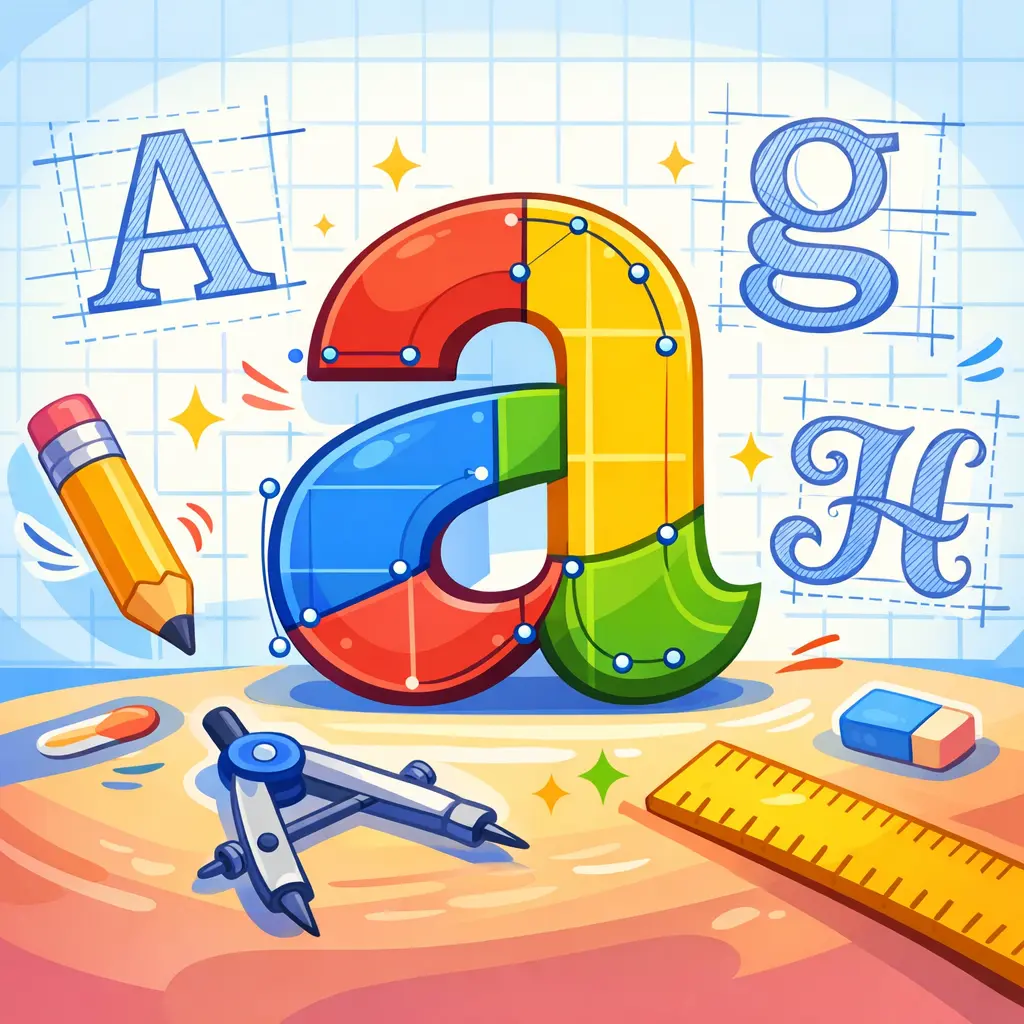
💡 Key Takeaways
- Understand core concepts in custom type design, including letterforms, spacing, stroke contrast, and rhythm.
- Learn a step-by-step workflow from concept sketches to digital outlines and font development.
- Practice sketching and digitizing characters to build consistent, cohesive glyphs across a typeface.
- Test and refine type for legibility and performance across sizes, screens, and print.
❓ Frequently Asked Questions
What is custom type design?
Creating a unique set of letterforms and styles tailored for a brand or project, including shapes, proportions, and spacing not found in off-the-shelf fonts.
What is the difference between a typeface and a font?
A typeface is the design family; a font is a specific style/weight within that family.
What are common typographic anatomy terms you should know?
Baseline, x-height, cap height, ascender, descender, serif vs. sans-serif, and counters.
What is kerning vs tracking, and why do they matter?
Kerning adjusts space between specific letter pairs; tracking adjusts spacing across a range of characters. Both affect readability and visual balance.
What is the typical workflow for creating a custom typeface?
Brief and research, concept sketches, digitizing letterforms, building the full alphabet, refining spacing/metrics, testing in real contexts, and preparing production files.