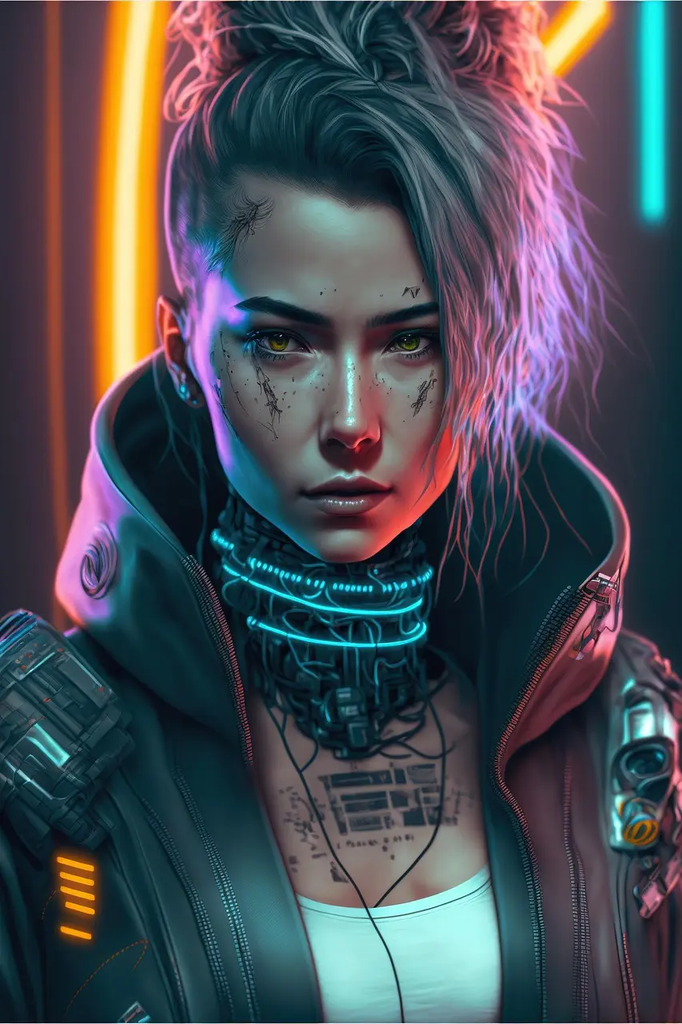
Cyberpunk stories are a subgenre of science fiction that explore high-tech, futuristic worlds often marked by advanced technology, cybernetics, and artificial intelligence, set against a backdrop of societal decay and dystopian urban environments. These narratives typically focus on antiheroes navigating oppressive systems, corporate dominance, and blurred lines between the digital and physical worlds, highlighting themes of rebellion, identity, and the consequences of technological advancement on humanity.
Cyberpunk Stories+50
Cyberpunk stories are a subgenre of science fiction that explore high-tech, futuristic worlds often marked by advanced technology, cybernetics, and artificial intelligence, set against a backdrop of societal decay and dystopian urban environments. These narratives typically focus on antiheroes navigating oppressive systems, corporate dominance, and blurred lines between the digital and physical worlds, highlighting themes of rebellion, identity, and the consequences of technological advancement on humanity.
💡 Key Takeaways
- Identify core cyberpunk elements such as high-tech advances set against urban decay and corporate power.
- Recognize antihero protagonists and morally ambiguous choices typical of cyberpunk narratives.
- Explain how cybernetics and AI affect identity, agency, and social power.
- Analyze the setting and atmosphere: neon-drenched megacities, surveillance, and societal decay.
- Explore common plot devices like hacking, information economy, and resistance against oppressive systems.
❓ Frequently Asked Questions
What defines cyberpunk as a genre?
A subgenre of science fiction blending high-tech futures—cybernetics, AI, cyberspace—with societal decay, often set in gritty, dystopian cities and featuring antihero protagonists.
What are common themes in cyberpunk stories?
Technology and power disparities, corporate dominance, surveillance, identity, and rebellion against oppressive systems.
What role do technology and cyberspace play in cyberpunk narratives?
They drive plots through hacking, networks, AI ethics, and body augmentation, illustrating how tech shapes society and individual lives.
What settings are typical for cyberpunk?
Dense, neon-lit megacities with rain-soaked streets, advanced tech coexisting with urban decay and corporate control.
Who are typical protagonists in cyberpunk, and what motivates them?
Antiheroes such as hackers or streetwise rebels who seek freedom, survival, or justice within oppressive systems.