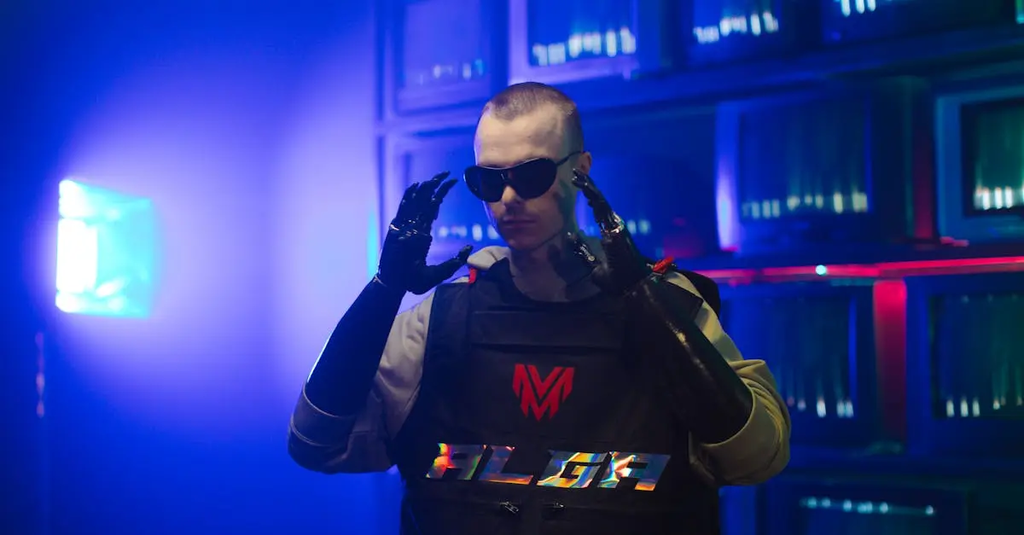
Cybersecurity & hacking tropes refer to recurring themes, stereotypes, and clichés commonly seen in media portrayals of digital security and hackers. These include the image of lone geniuses typing rapidly in dark rooms, green code raining down screens, and instant system breaches. Such tropes often exaggerate the speed and ease of hacking, misrepresent real-world cybersecurity challenges, and simplify complex technical concepts for dramatic effect, influencing public perception of cyber threats.
Cybersecurity & Hacking Tropes
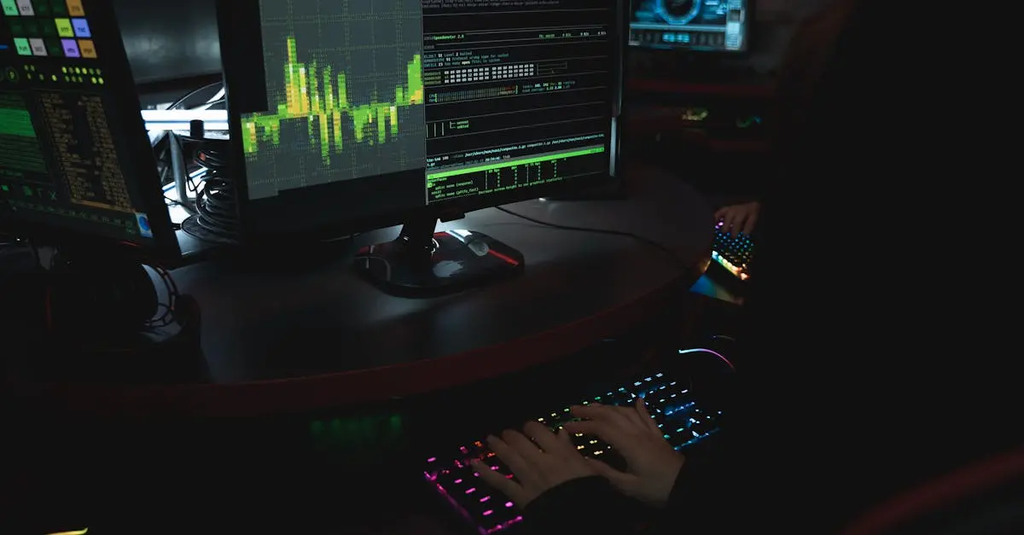
Cybersecurity & hacking tropes refer to recurring themes, stereotypes, and clichés commonly seen in media portrayals of digital security and hackers. These include the image of lone geniuses typing rapidly in dark rooms, green code raining down screens, and instant system breaches. Such tropes often exaggerate the speed and ease of hacking, misrepresent real-world cybersecurity challenges, and simplify complex technical concepts for dramatic effect, influencing public perception of cyber threats.
💡 Key Takeaways
- Identify common cybersecurity and hacking tropes in sci-fi media (e.g., lone genius, green code rain) and how they shape public perception.
- Differentiate fictional portrayals from real-world security concepts like defense in depth, incident response, and patching.
- Explain why most real breaches are gradual and often rely on social engineering, misconfigurations, or user error rather than instant, magical hacks.
- Evaluate the ethical and media-literacy aspects of cyber depictions, including privacy, consent, and responsible disclosure.
- Consider how sci-fi tropes influence ideas about future cyber threats and defense strategies, and how to translate them into practical security thinking.
❓ Frequently Asked Questions
What are cybersecurity and hacking tropes?
They are recurring storytelling devices in media that portray digital security and hackers in simplified dramatic ways, such as lone geniuses in dark rooms or green code on screens, used for narrative effect rather than accuracy.
Do these tropes reflect real world cybersecurity?
No. Real cybersecurity involves teams, layered defenses, and slow, methodical breach detection; breaches are rarely instant.
Why is the green code visual iconic?
It is a visual shorthand from cyberpunk aesthetics that signals hacking to audiences quickly, not an accurate depiction of actual code or processes.
How can readers differentiate fiction from reality in cyber scenes?
Look for realistic details like multiple security layers, incident response steps, and proper terminology; note that real breaches unfold over time, not instantly; verify with credible sources.