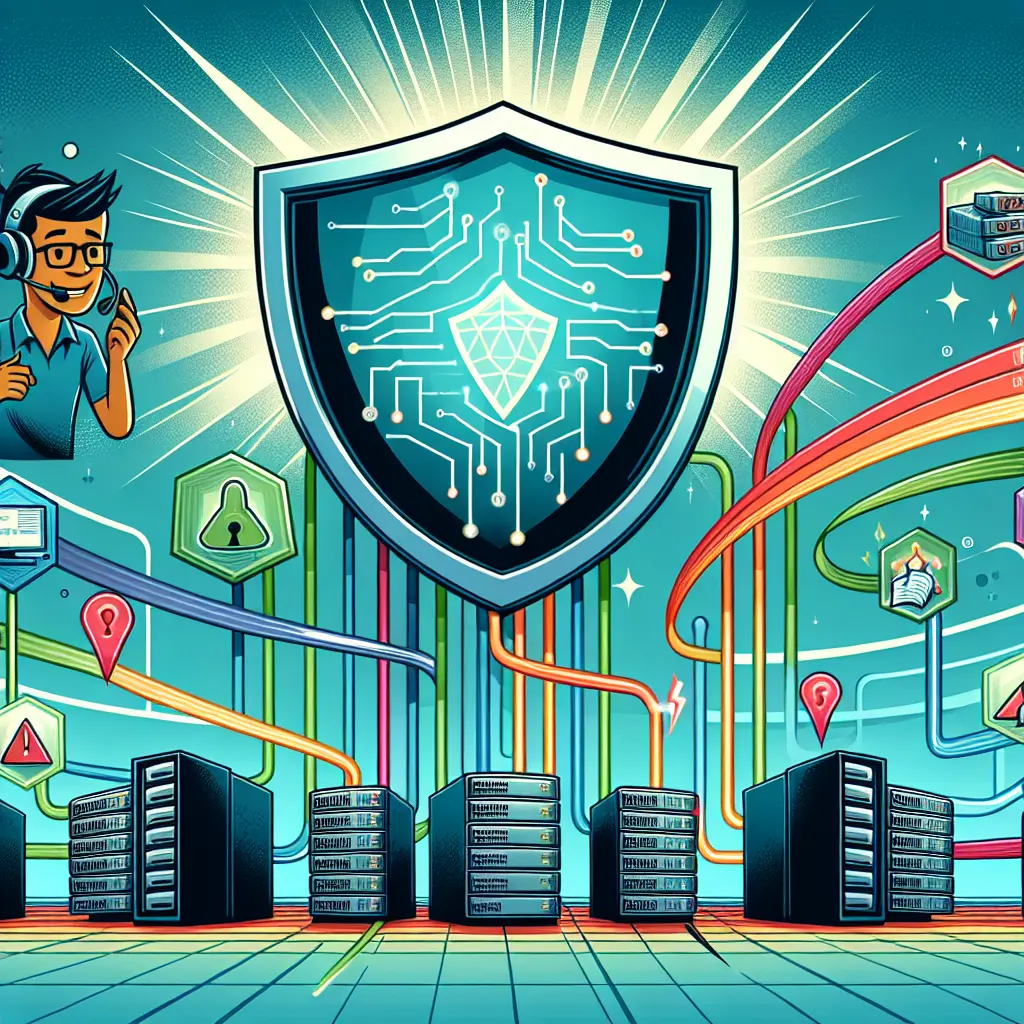
Cybersecurity Essentials refers to the fundamental practices, tools, and knowledge required to protect digital systems, networks, and data from cyber threats. This includes understanding basic security principles, using strong passwords, updating software regularly, recognizing phishing attempts, and employing firewalls and antivirus software. Mastery of these essentials helps individuals and organizations reduce vulnerabilities, prevent unauthorized access, and safeguard sensitive information in an increasingly digital world.
Cybersecurity Essentials+40
Cybersecurity Essentials refers to the fundamental practices, tools, and knowledge required to protect digital systems, networks, and data from cyber threats. This includes understanding basic security principles, using strong passwords, updating software regularly, recognizing phishing attempts, and employing firewalls and antivirus software. Mastery of these essentials helps individuals and organizations reduce vulnerabilities, prevent unauthorized access, and safeguard sensitive information in an increasingly digital world.

💡 Key Takeaways
- Understand the core goals of cybersecurity (confidentiality, integrity, and availability) and why they matter
- Create and use strong, unique passwords for all accounts and consider using a password manager
- Keep software and devices updated with the latest security patches and updates
- Recognize phishing and social engineering tactics and verify suspicious emails or links before acting
- Enable multi-factor authentication and regularly back up important data
❓ Frequently Asked Questions
What is cybersecurity and why is it important?
Cybersecurity protects computers, networks, and data from threats, helping maintain privacy, data integrity, and availability.
What makes a password strong, and how should I manage passwords?
A strong password is long (12+ chars), uses a mix of upper/lowercase, numbers, and symbols, and is unique for each account. Use a password manager to keep track of them.
Why should I keep software up to date?
Updates fix known security flaws and improve protections, reducing the chance of attackers exploiting vulnerabilities.
How can I recognize and avoid phishing attempts?
Phishing tries to impersonate legitimate entities. Watch for unfamiliar senders, urgent or unusual requests, and suspicious links or attachments; verify with the official source before acting.