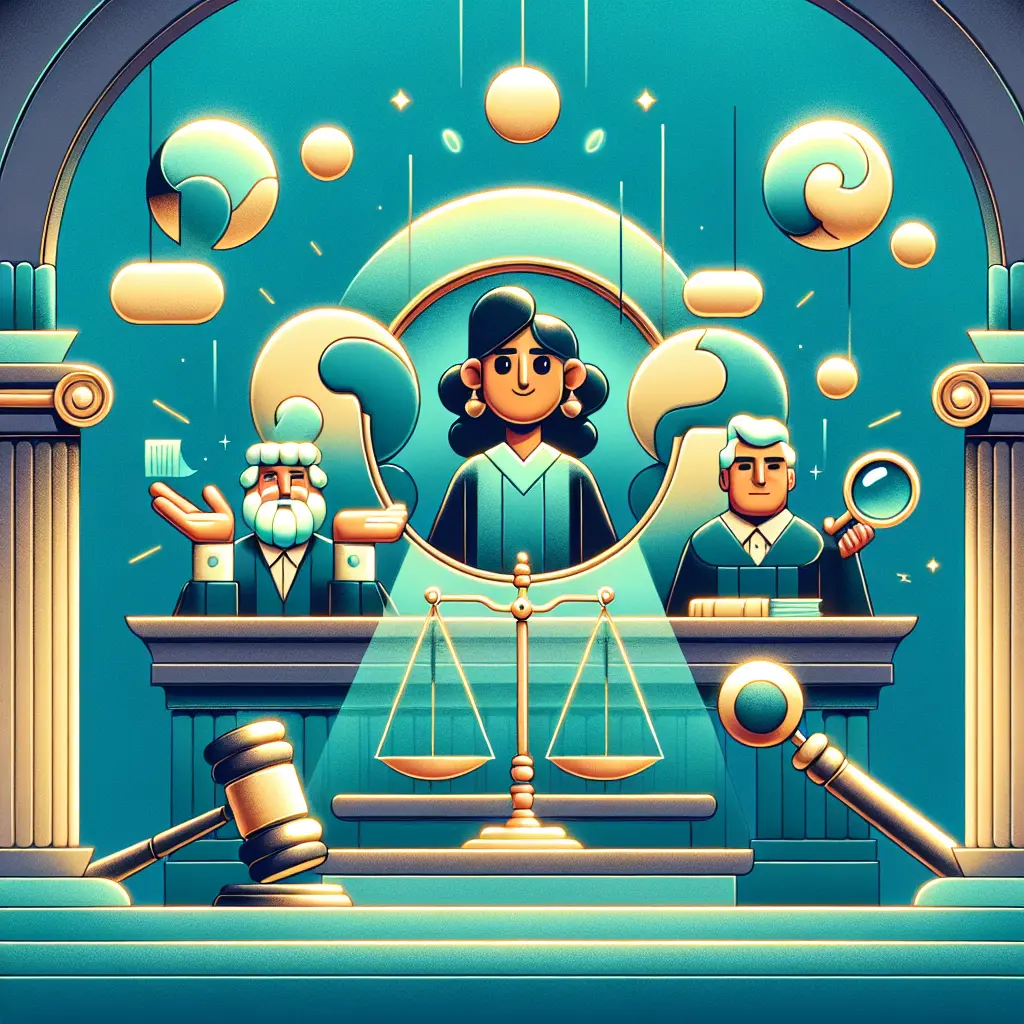
Cybersecurity Law & Digital Governance refers to the legal frameworks, policies, and practices designed to protect digital information and systems from cyber threats while ensuring responsible management of digital resources. It encompasses regulations on data privacy, cybercrime, and the ethical use of technology, guiding organizations and governments in securing networks and upholding digital rights. This field is crucial for maintaining trust, security, and accountability in an increasingly digital society.
Cybersecurity Law & Digital Governance
Cybersecurity Law & Digital Governance refers to the legal frameworks, policies, and practices designed to protect digital information and systems from cyber threats while ensuring responsible management of digital resources. It encompasses regulations on data privacy, cybercrime, and the ethical use of technology, guiding organizations and governments in securing networks and upholding digital rights. This field is crucial for maintaining trust, security, and accountability in an increasingly digital society.
💡 Key Takeaways
- Grasp how cybersecurity law protects data, systems, and critical infrastructure.
- Identify core data privacy protections and breach notification obligations.
- Understand how cybercrime laws define offenses and support enforcement across borders.
- Learn how organizations implement digital governance: policies, risk management, incident response, and ethical use of technology.
❓ Frequently Asked Questions
What is cybersecurity law & digital governance?
They are the legal and policy frameworks that protect digital information and guide how digital resources are managed, used, and governed to prevent cyber threats.
What are data privacy regulations?
Laws that govern how organizations collect, store, use, and share personal data, and that grant individuals rights like access and deletion.
What is a cybercrime and how is it regulated?
Cybercrime refers to offenses like hacking or malware attacks; laws criminalize unauthorized access and misuse of digital systems and specify penalties.
What does ethical use of digital resources mean in governance?
Using technology responsibly and legally—protecting privacy and security, avoiding harm, and complying with policies, licenses, and applicable laws.