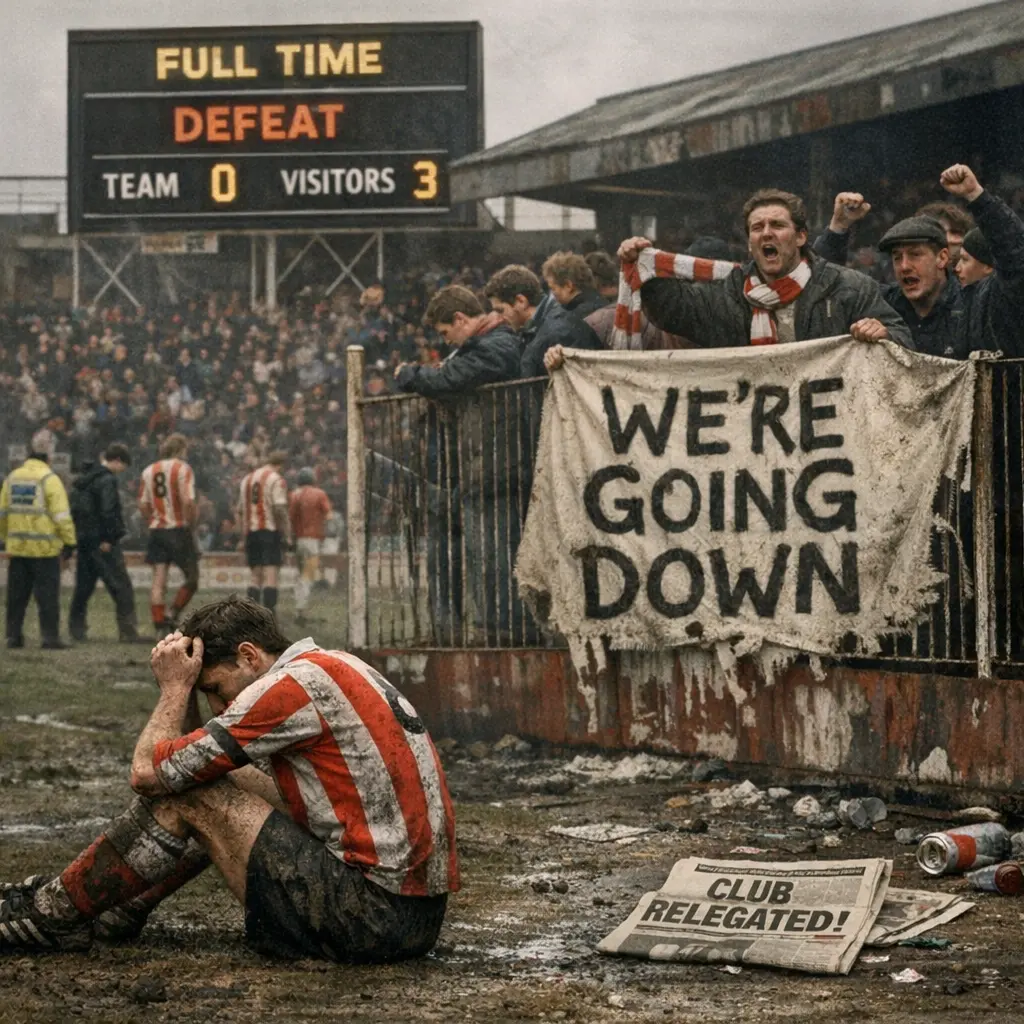
During the 1980s and 1990s, Manchester City F.C. endured a turbulent period marked by poor performances, financial instability, and frequent managerial changes. The club suffered multiple relegations from the top flight, dropping as low as the third tier in 1998. These "Dark Years" were characterized by inconsistent results and dwindling fan morale, contrasting sharply with the club's earlier successes and setting the stage for a dramatic future resurgence.
Dark Years and Relegations (1980s–1990s)
During the 1980s and 1990s, Manchester City F.C. endured a turbulent period marked by poor performances, financial instability, and frequent managerial changes. The club suffered multiple relegations from the top flight, dropping as low as the third tier in 1998. These "Dark Years" were characterized by inconsistent results and dwindling fan morale, contrasting sharply with the club's earlier successes and setting the stage for a dramatic future resurgence.
💡 Key Takeaways
- Understand relegation, promotion, and how the threat of relegation shaped clubs during the 1980s–1990s.
- Identify common causes of downturns in that era, including financial constraints, mismanagement, and on-field underperformance.
- Recognize the impact of relegation on a club's finances, fanbase, and long-term competitiveness.
- Learn strategies clubs used to rebound from relegation, such as managerial changes, investment in youth development, and ownership restructuring.
- Explore how league reforms and broader economic changes in the 1990s influenced relegation dynamics and club survival.
❓ Frequently Asked Questions
What does 'dark years' mean in sports history?
A period when a team or league struggles with poor results, financial trouble, or instability that hinders success.
What is relegation and how did it work in the 1980s–1990s?
Relegation is the moving down to a lower division based on finishing place. In this era, bottom teams were relegated and replaced by promoted teams from below; many leagues gradually shifted from 2 points for a win to 3 points for a win.
What factors commonly contributed to relegation in this era?
Weak on-field performance, financial difficulties, limited squad depth, injuries, and management instability.
How can a club recover from dark years and return to the top division?
Stabilize finances, rebuild the squad with smart signings or young players, improve coaching, and pursue steady promotion through better performance.