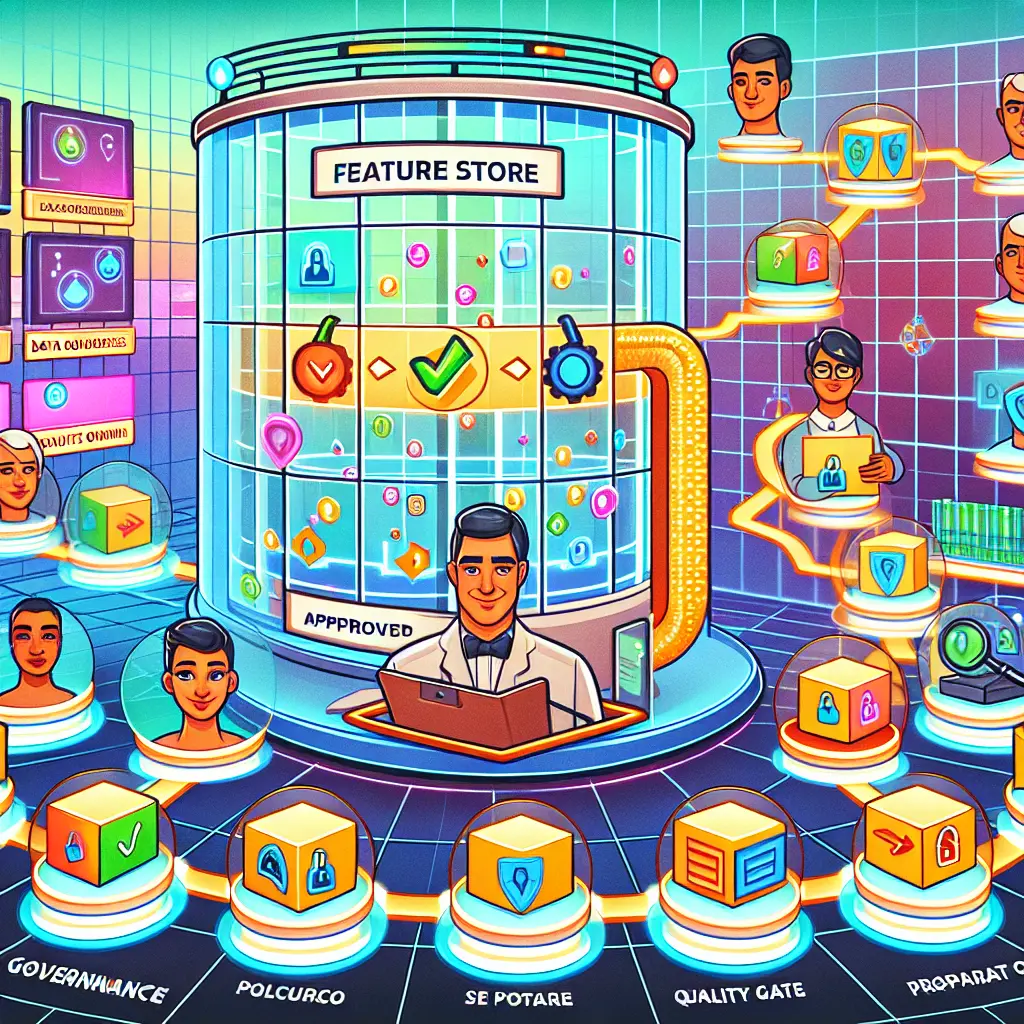
Data contracts between producers and consumers are formal agreements that define the structure, quality, and expectations for data exchanged between parties. They specify data formats, schemas, validation rules, and service-level requirements, ensuring both sides understand their responsibilities. These contracts help prevent misunderstandings, reduce integration issues, and enable smoother, more reliable data sharing, especially in complex systems where multiple teams or organizations depend on accurate and consistent data exchange.
Data contracts between producers and consumers
Data contracts between producers and consumers are formal agreements that define the structure, quality, and expectations for data exchanged between parties. They specify data formats, schemas, validation rules, and service-level requirements, ensuring both sides understand their responsibilities. These contracts help prevent misunderstandings, reduce integration issues, and enable smoother, more reliable data sharing, especially in complex systems where multiple teams or organizations depend on accurate and consistent data exchange.

💡 Key Takeaways
- Define data contracts and their role in AI data governance and quality assurance.
- Specify data formats, schemas, validation rules, and service-level requirements that contracts codify.
- Explain how contracts establish producer/consumer responsibilities, accountability, versioning, and change control.
- Describe how contracts enable monitoring, compliance, and interoperability across data pipelines.
❓ Frequently Asked Questions
What is a data contract between producers and consumers?
A formal agreement that defines the data to be exchanged, including formats, schemas, quality rules, and responsibilities, so both parties share the same expectations.
What are the key elements of a data contract?
Data formats and schemas, validation rules, data quality targets (e.g., completeness, accuracy), service-level requirements (latency, availability), and governance details like ownership and versioning.
How do data contracts support AI data governance and quality assurance?
They standardize data inputs for AI, enable traceability and quality gates, help detect schema drift, and ensure data used for training and inference meets defined policies.
How are data contracts implemented and enforced?
Through versioned documents, automated validation tests, monitoring dashboards, agreed SLAs, and clear escalation paths for violations; changes require mutual agreement.
What happens if data doesn't meet the contract?
Violations trigger remediation steps such as data cleansing, schema alignment, alerts, retries, or renegotiation of the contract.