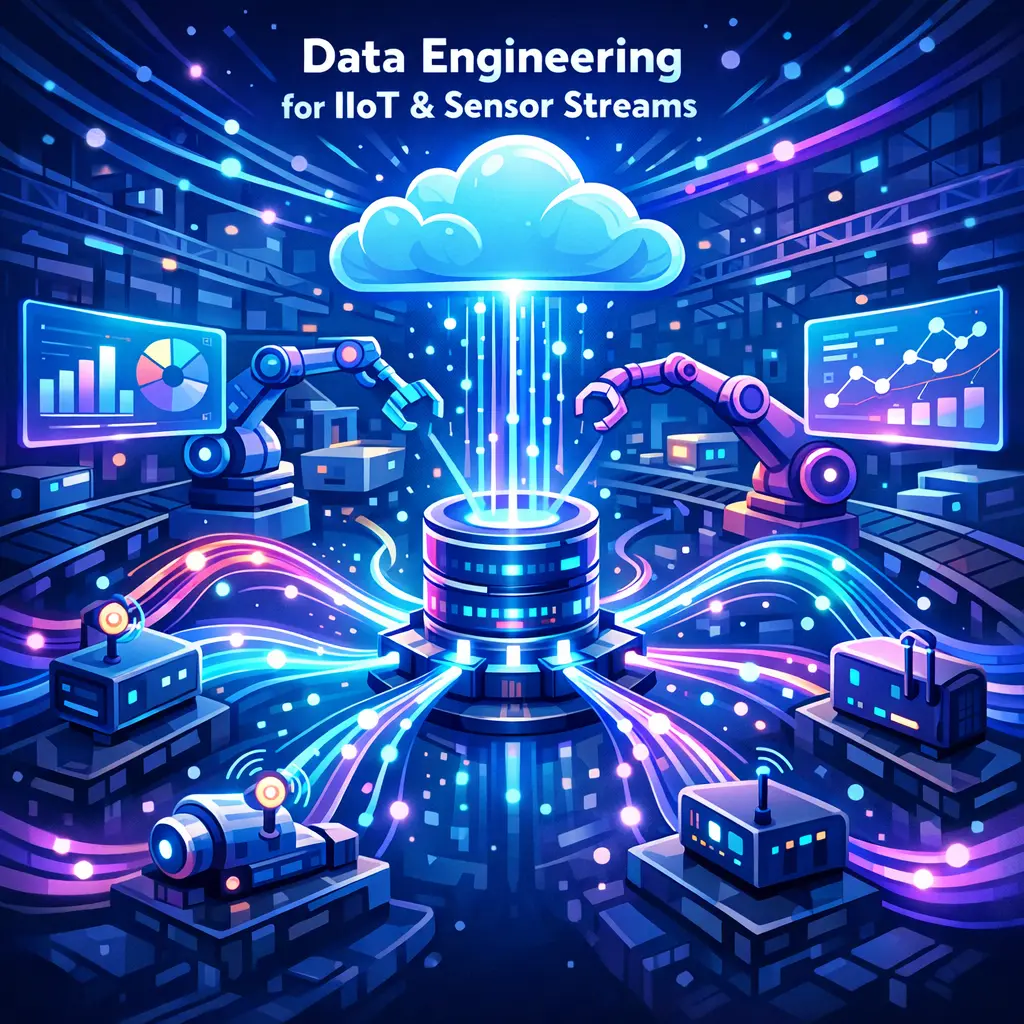
Data Engineering for IIoT & Sensor Streams involves designing and managing systems that collect, process, and analyze data from industrial sensors and connected devices. Professionals in this field build data pipelines, ensure data quality, and enable real-time analytics to support industrial automation and decision-making. This career blends skills in software engineering, data management, and industrial processes, playing a vital role in modern manufacturing, energy, and smart infrastructure sectors.
Data Engineering for IIoT & Sensor Streams
Data Engineering for IIoT & Sensor Streams involves designing and managing systems that collect, process, and analyze data from industrial sensors and connected devices. Professionals in this field build data pipelines, ensure data quality, and enable real-time analytics to support industrial automation and decision-making. This career blends skills in software engineering, data management, and industrial processes, playing a vital role in modern manufacturing, energy, and smart infrastructure sectors.
💡 Key Takeaways
- End-to-end data pipelines for IIoT sensor streams—from ingestion and transport to storage and analytics.
- Common IIoT formats and protocols (MQTT, OPC UA) and how to model time-series sensor data.
- Scalable, fault-tolerant streaming architectures and real-time analytics with appropriate windowing and aggregation.
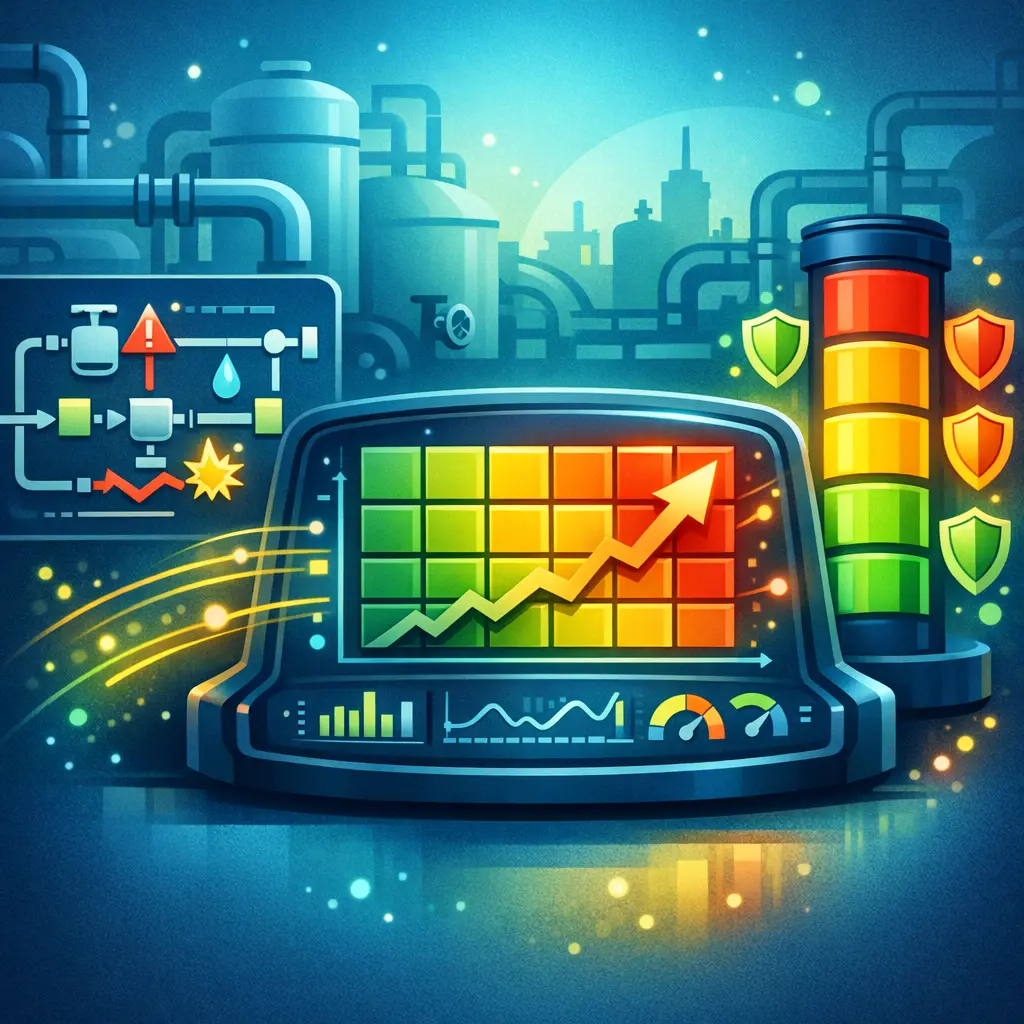
- Data quality, security, and governance practices for industrial sensor data, including handling missing values and anomalies.
❓ Frequently Asked Questions
What is IIoT and why is it relevant to data engineering?
Industrial Internet of Things (IIoT) connects sensors, devices, and actuators in factories or plants to collect real‑time data for monitoring, control, and optimization. Data engineering enables reliable ingestion, cleaning, transformation, storage, and access to this data for analytics.
What is a data pipeline in IIoT?
A data pipeline is the sequence that collects sensor data, performs quality checks and normalization, stores it (data lake/warehouse), and makes it available for analytics, dashboards, and applications—often in real time or near real time.
Which protocols and tools are commonly used for sensor streams?
Common transport protocols include MQTT and OPC UA; data is ingested via brokers or stream platforms like Kafka or Pulsar, sometimes with edge gateways for preprocessing before storage.
What is time-series data and what challenges does it bring in IIoT?
Time-series data are records tagged with timestamps from sensors. Challenges include high write throughput, clock skew, late or out-of-order events, and the need for efficient storage and time-based queries.
What’s the difference between edge computing and cloud processing in IIoT?
Edge computing processes data near the source (gateways/edge devices) to reduce latency and bandwidth, while cloud processing handles heavy analytics, storage, and governance in centralized systems.