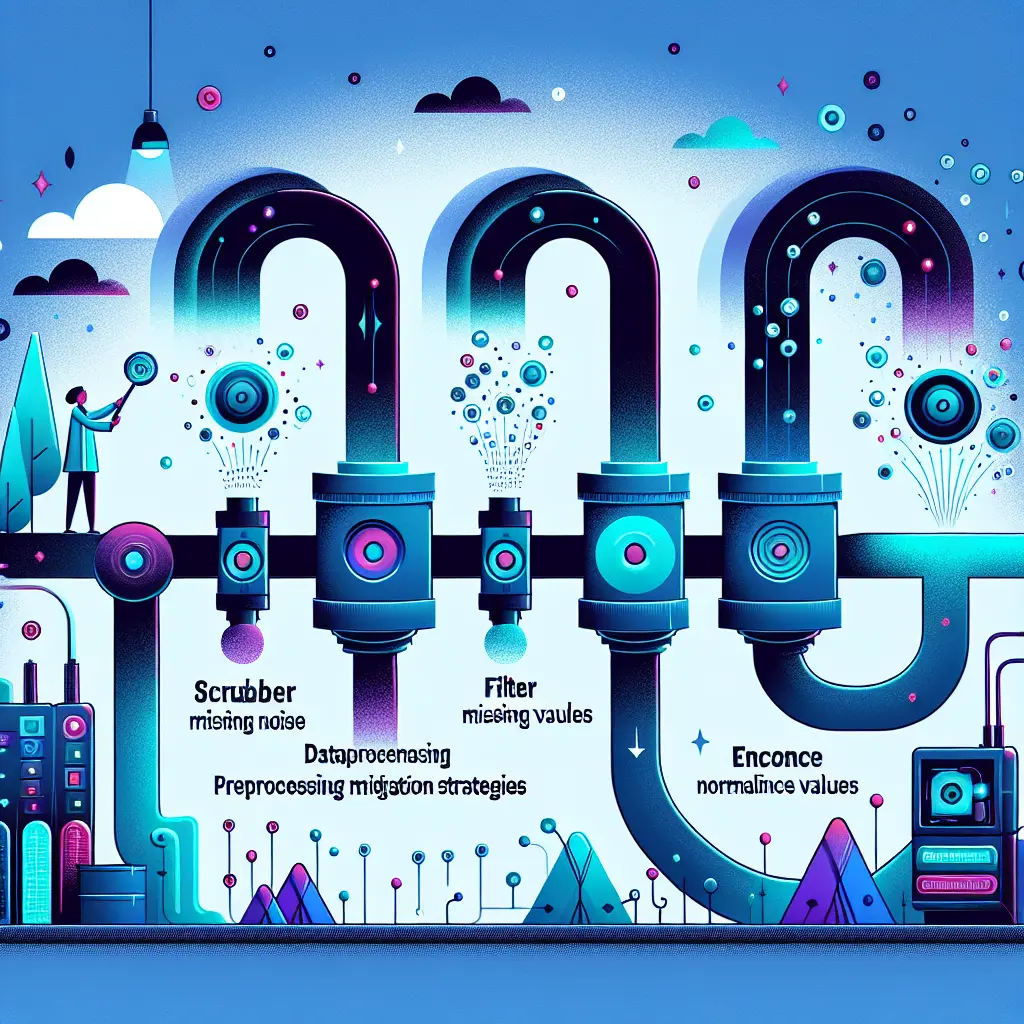
Data lineage and provenance tracking refers to the process of documenting the origin, movement, and transformation of data throughout its lifecycle. It involves tracing where data comes from, how it changes over time, and who interacts with it. This tracking ensures transparency, helps maintain data quality, supports regulatory compliance, and enables organizations to understand the context and reliability of their data for better decision-making and troubleshooting.
Data lineage and provenance tracking
Data lineage and provenance tracking refers to the process of documenting the origin, movement, and transformation of data throughout its lifecycle. It involves tracing where data comes from, how it changes over time, and who interacts with it. This tracking ensures transparency, helps maintain data quality, supports regulatory compliance, and enables organizations to understand the context and reliability of their data for better decision-making and troubleshooting.
💡 Key Takeaways
- Define data lineage and provenance tracking and explain why they matter for AI risk and data concerns.
- Trace data from origin through transformations and across systems to improve transparency and accountability.
- Leverage lineage metadata and versioning to support data quality, reproducibility, and auditing.
- Identify privacy, security, and governance risks by tracking who accessed or modified data.
❓ Frequently Asked Questions
What is data lineage?
Data lineage is the documentation of a data item’s lifecycle: where it comes from, how it moves through systems, and how it’s transformed before use.
What is data provenance tracking?
Data provenance tracking records the origins and history of data, including its sources, edits, and custody, to establish trust and traceability.
Why is data lineage important for AI risk and data concerns?
It provides transparency and accountability, helps identify data quality issues and bias, and supports audits and regulatory compliance by showing how data influences AI outcomes.
What components are typically captured in data lineage?
Source origin, data transformations, data flows between systems, timestamps and versions, and who accessed or modified the data.