Data loss prevention (DLP) for conversational interfaces refers to strategies and technologies designed to detect, monitor, and protect sensitive information exchanged through chatbots, virtual assistants, or messaging platforms. DLP solutions analyze conversations in real time to prevent unauthorized sharing of confidential data, such as personal identifiers or financial details, ensuring compliance with data protection regulations and safeguarding organizational and user information from leaks or breaches during digital interactions.
Data loss prevention (DLP) for conversational interfaces
Data loss prevention (DLP) for conversational interfaces refers to strategies and technologies designed to detect, monitor, and protect sensitive information exchanged through chatbots, virtual assistants, or messaging platforms. DLP solutions analyze conversations in real time to prevent unauthorized sharing of confidential data, such as personal identifiers or financial details, ensuring compliance with data protection regulations and safeguarding organizational and user information from leaks or breaches during digital interactions.
💡 Key Takeaways
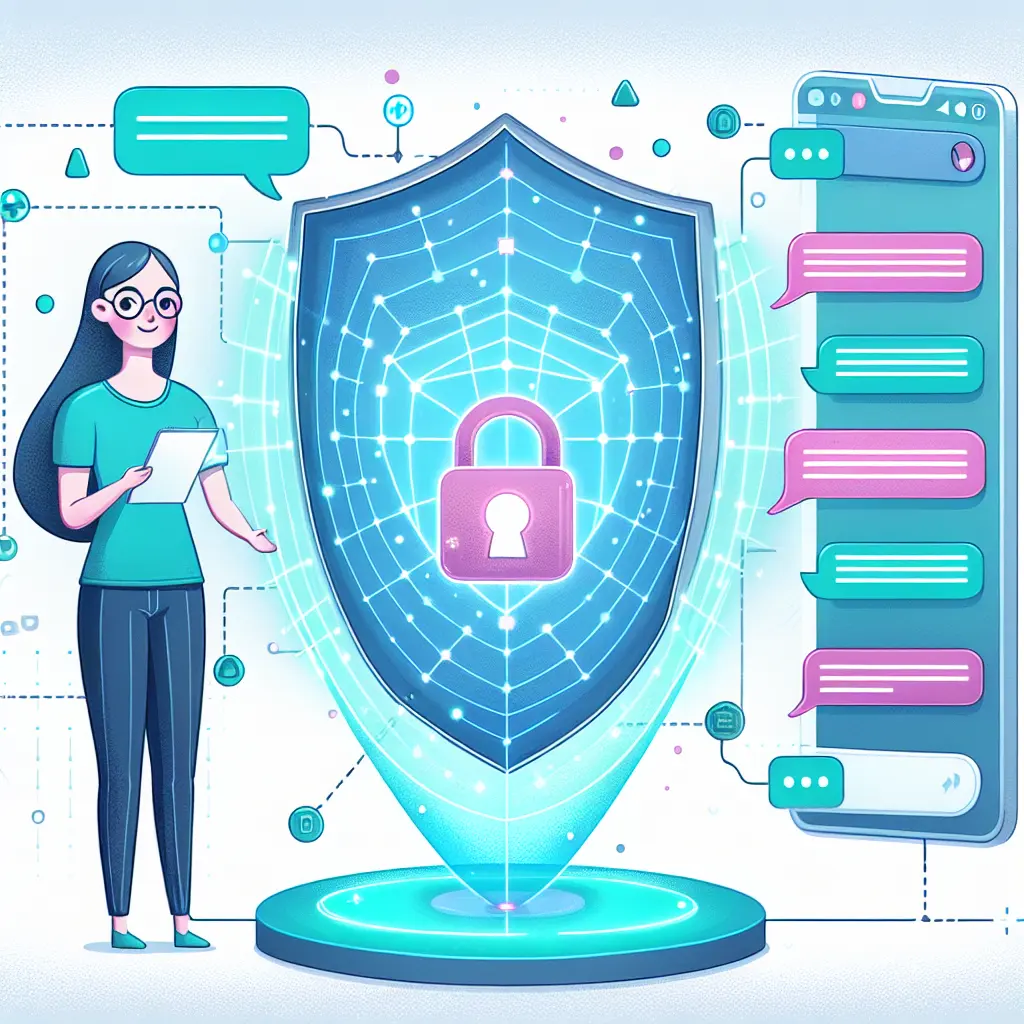
- Understand the data security challenges in conversational interfaces and why DLP is essential for chatbots and messaging platforms.
- Identify sensitive data types at risk (PII, financial information, credentials) and how real-time analysis detects potential leaks in chats.
- Learn how DLP policies enforce protection through masking, redaction, data minimization, and blocking or alerting in conversational providers.
- Explore governance, compliance, and incident response considerations, including audit logging, regulatory alignment (GDPR, HIPAA, CCPA), and integration with security tools.
❓ Frequently Asked Questions
What is DLP for conversational interfaces?
Data Loss Prevention (DLP) for chat-based systems is a set of policies and technologies that detect, classify, and prevent sensitive information from being exposed when people chat with bots or virtual assistants, in real time.
What types of data should DLP protect in conversational AI?
Sensitive data such as PII (names, IDs, addresses), financial details, health information, credentials, and proprietary or regulated data (PCI, HIPAA, GDPR, etc.).
How does real-time DLP enforce protection during conversations?
Messages are analyzed on the fly; policies can redact, block, or warn about sensitive content, and incidents are logged for compliance and auditing.
What are best practices when implementing DLP in Generative AI systems?
Inventory and classify data, define clear DLP policies, minimize data collection, apply access controls and encryption, tune to reduce false positives, monitor/audit activity, and have an incident response plan.